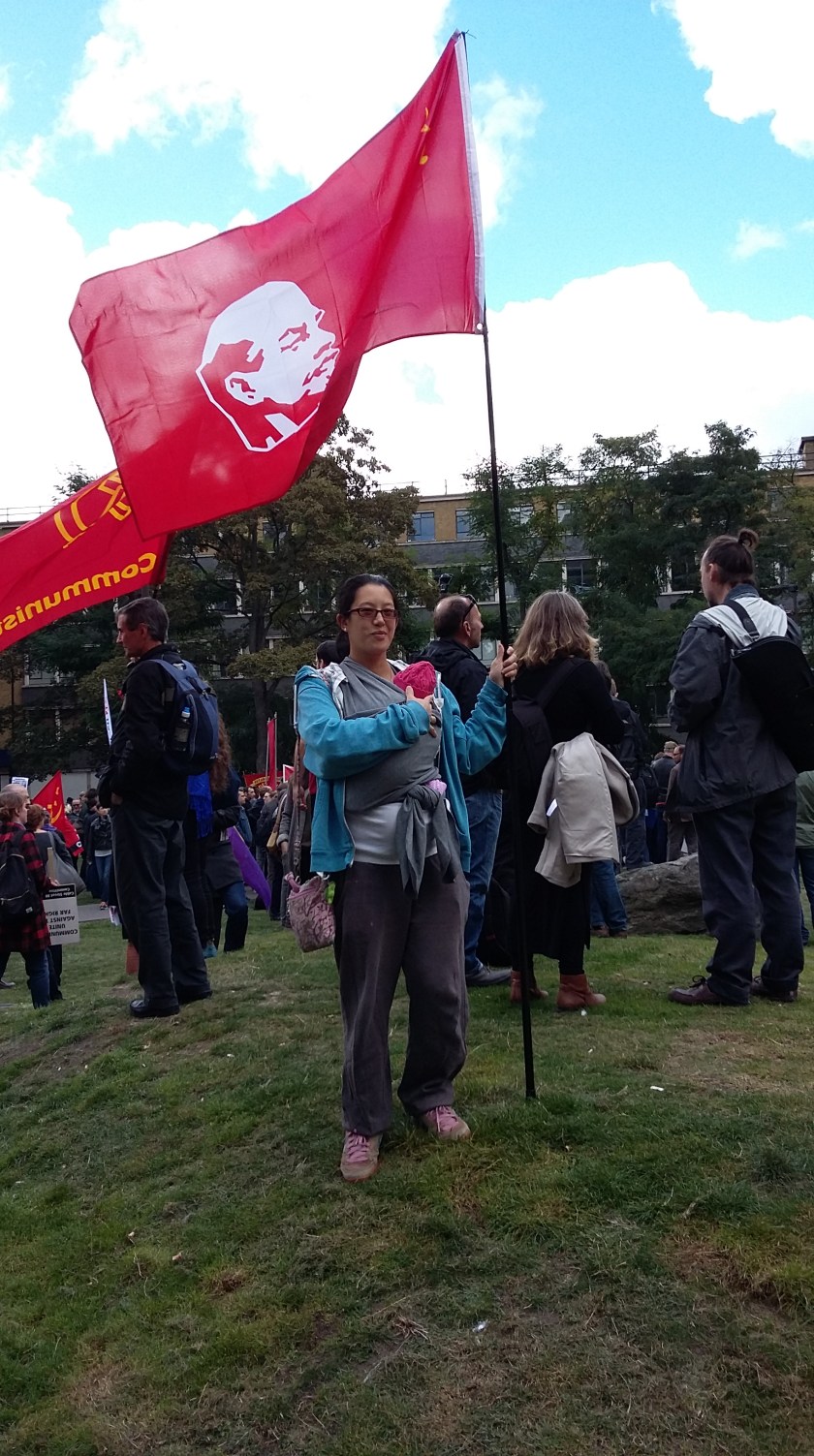
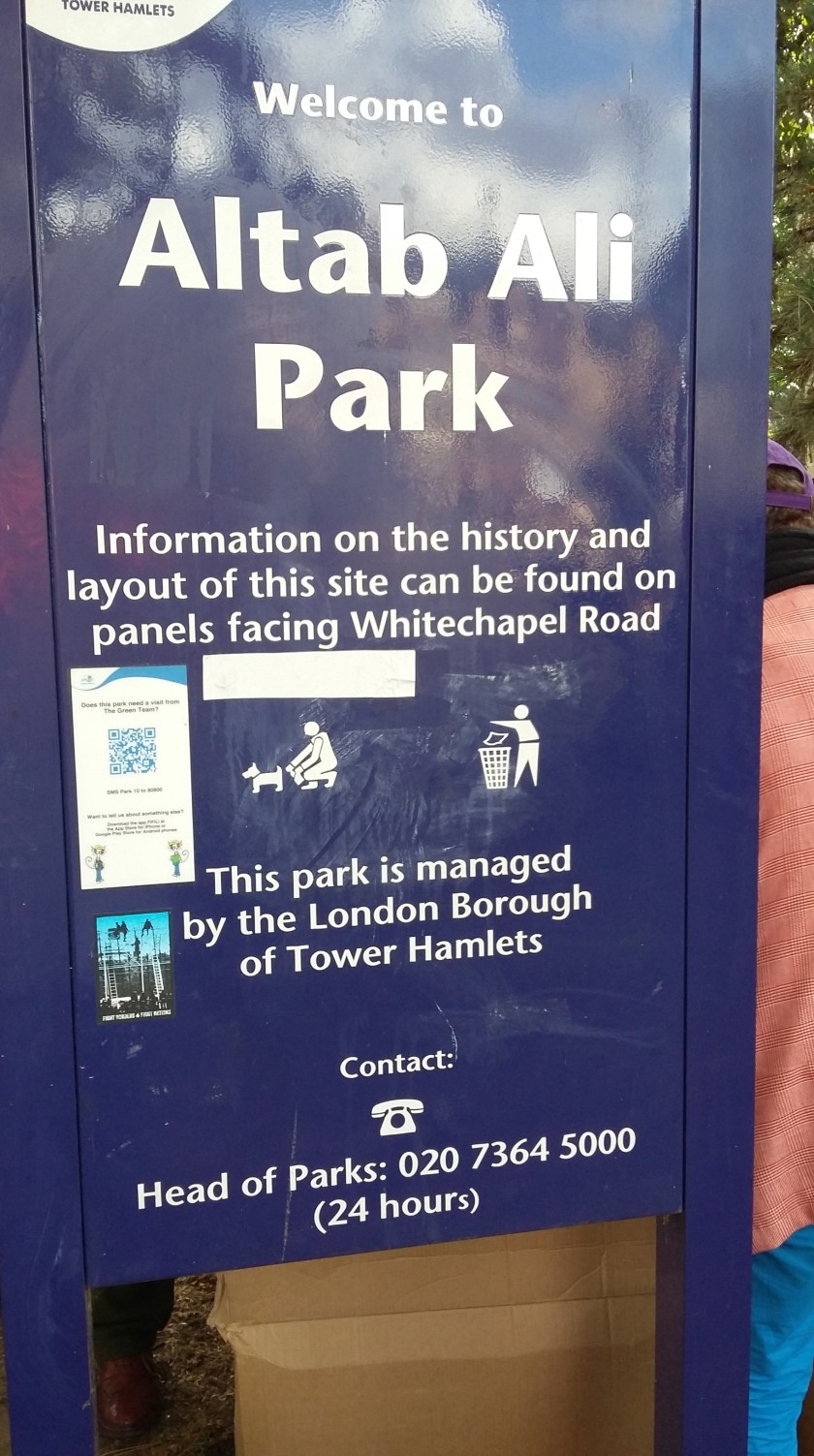
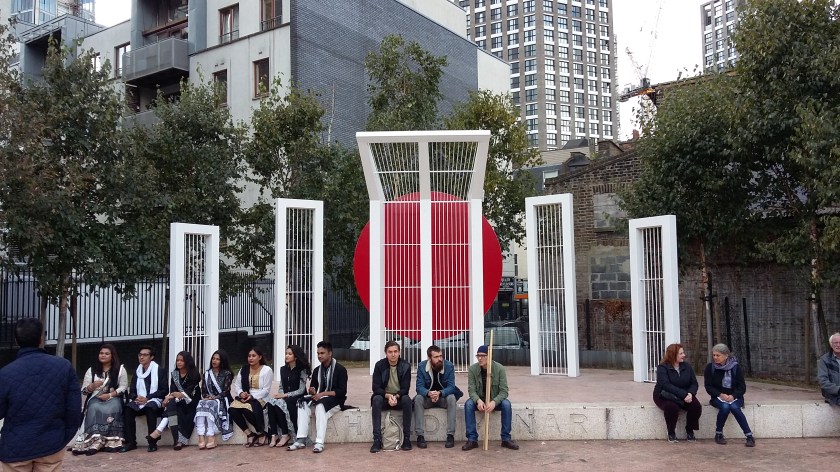
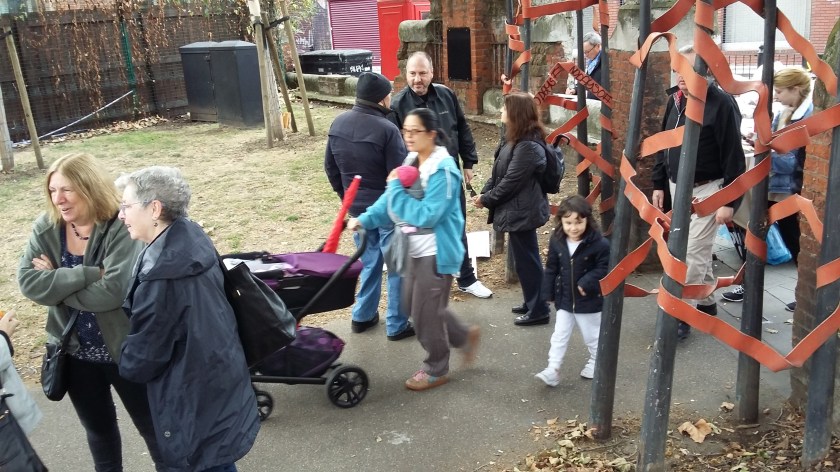
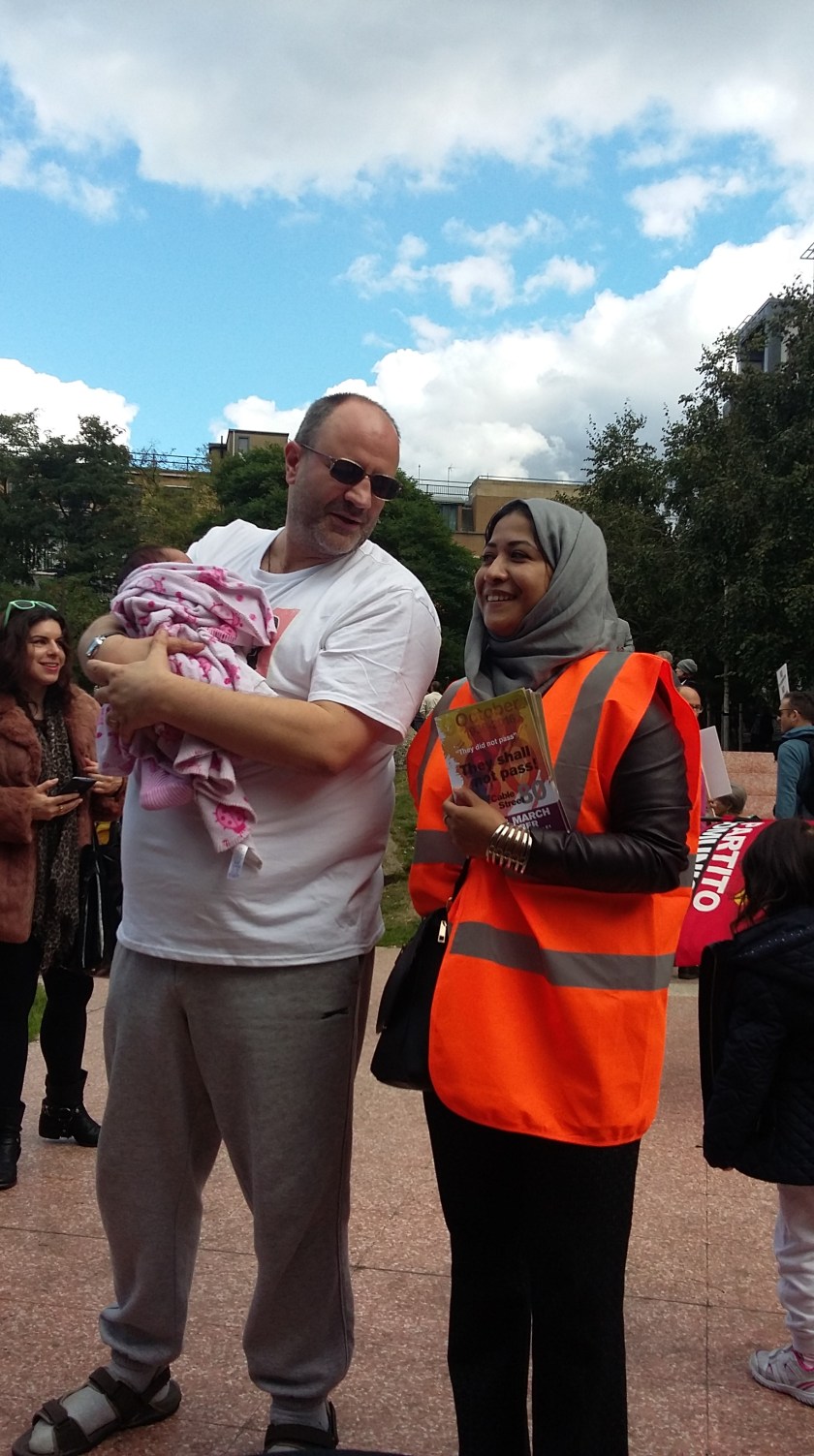
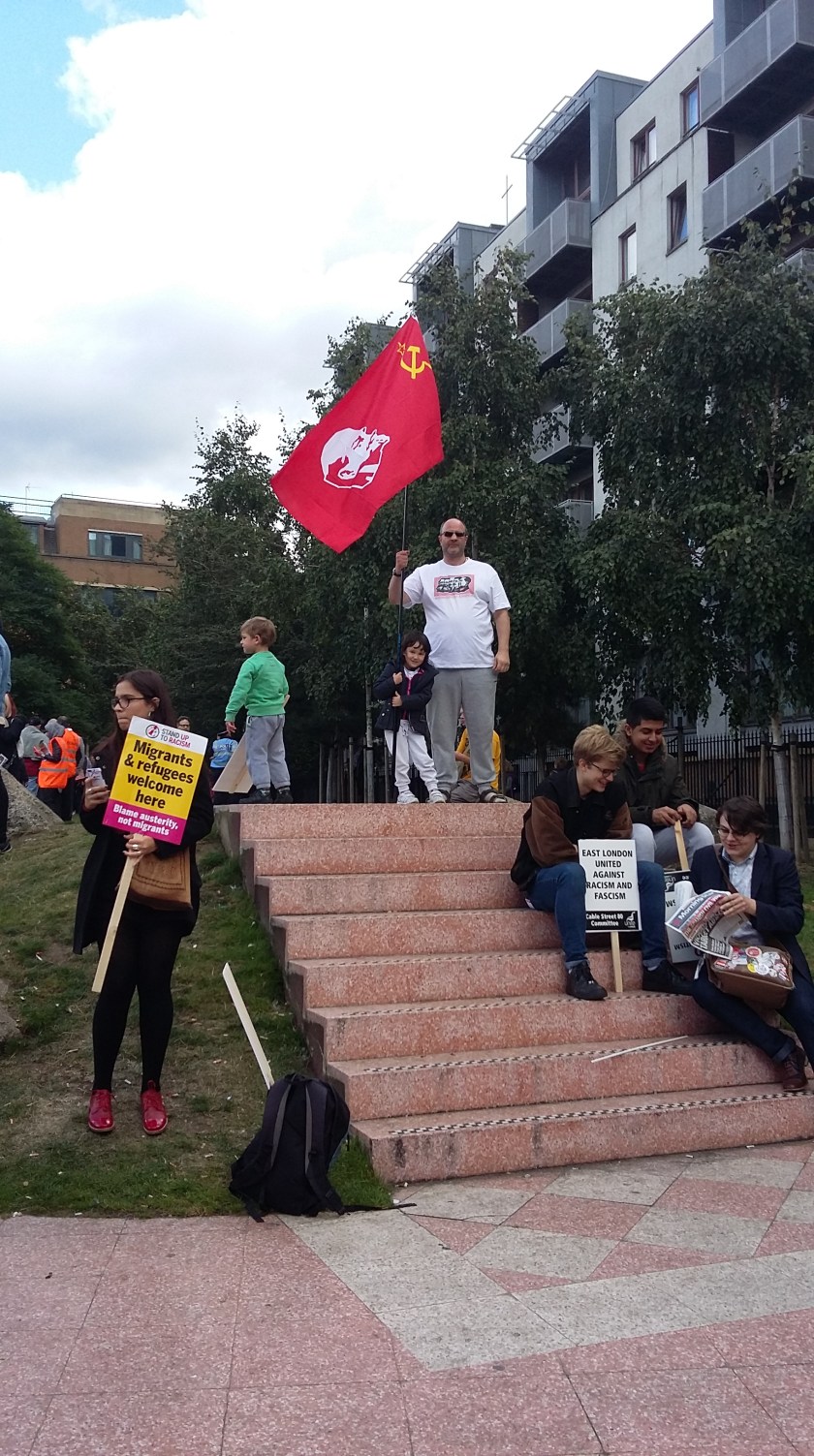
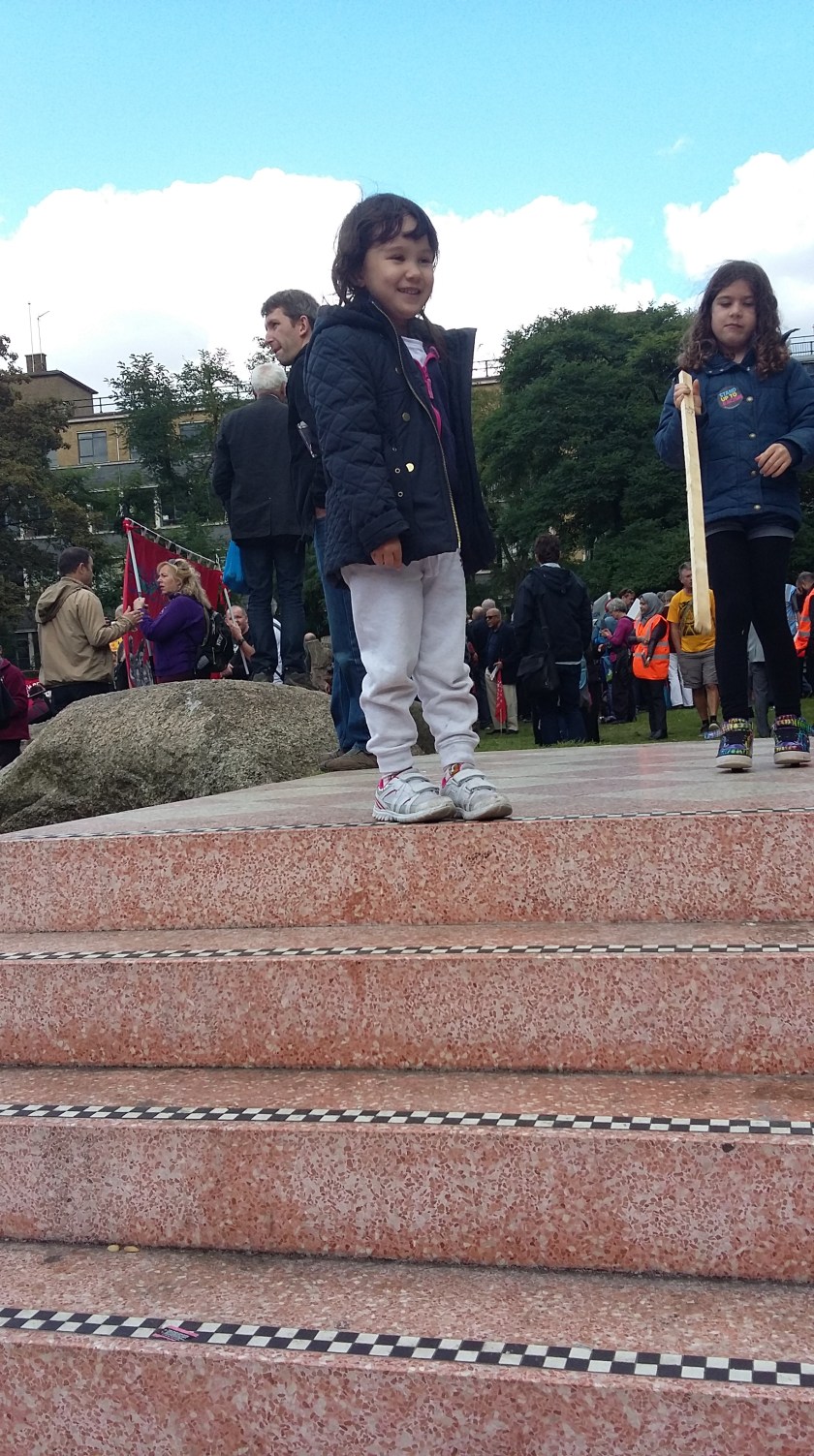
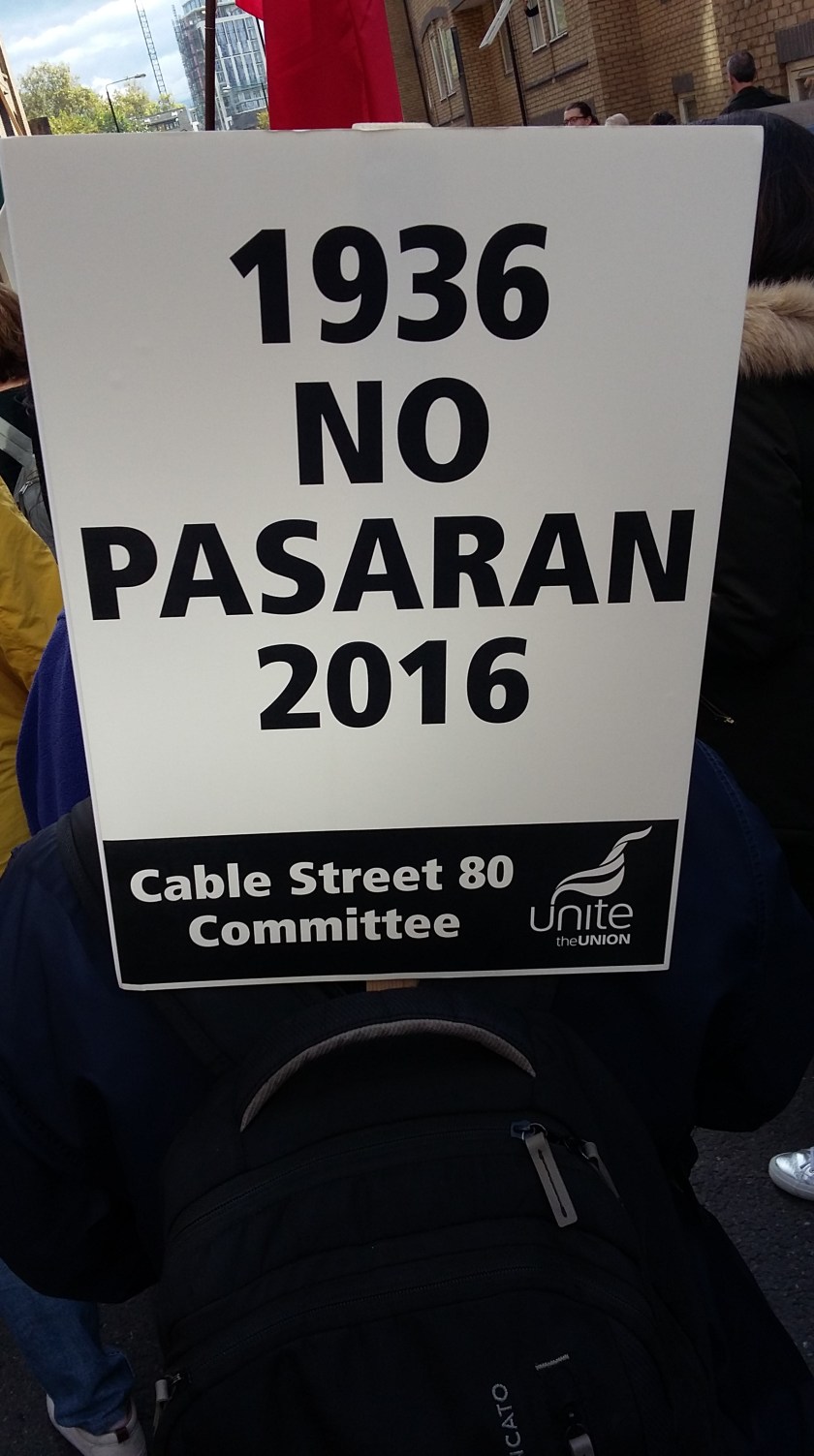
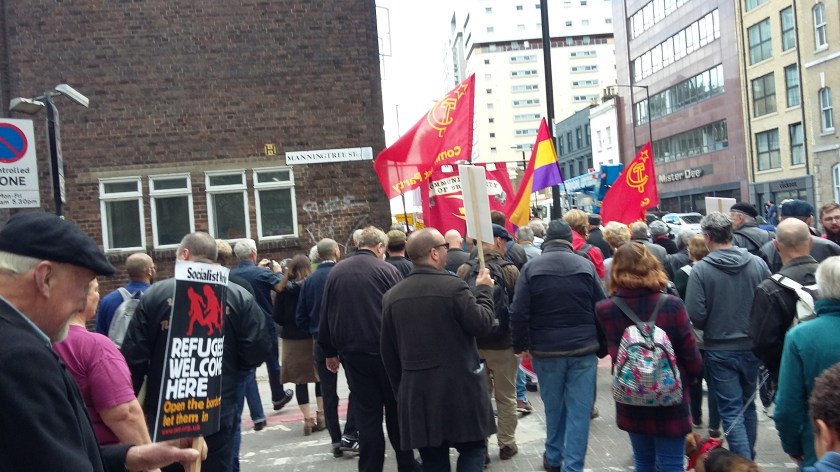
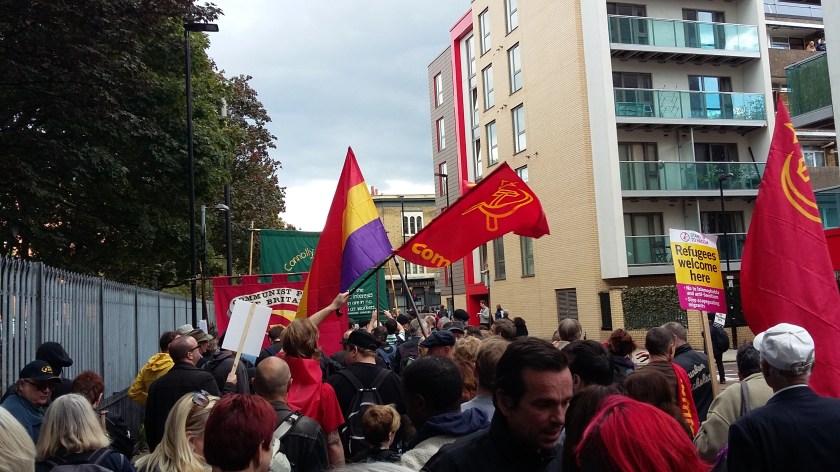
Thousands of people gathered at the Altab Ali Park, situated in the White Chapel High Street area of East London (E1), on Sunday the 9th of October, 2016, as part of the 80th anniversary of the Battle of Cable Street (which took place on Sunday the 4th of October, 1936). The initial meeting place was poignant, as Altab Ali (1953-1978) was a Bangladeshi man who was stabbed to death on May 4th, 1978 – the day of local elections in the area (with many candidates standing for the racist National Front) – by three British teenagers (subsequently described as two being ‘White’, and one being ‘Black’) in a racially motivated murder. This mobilised the British Bangladeshi community in a huge anti-racist protest that was joined by thousands of people from across the UK’s diverse ethnic communities. However, it was not until 1998, that the area was re-named ‘Altab Ali Park’ in respectful memory of this innocent young man who was murdered on his way home from work.
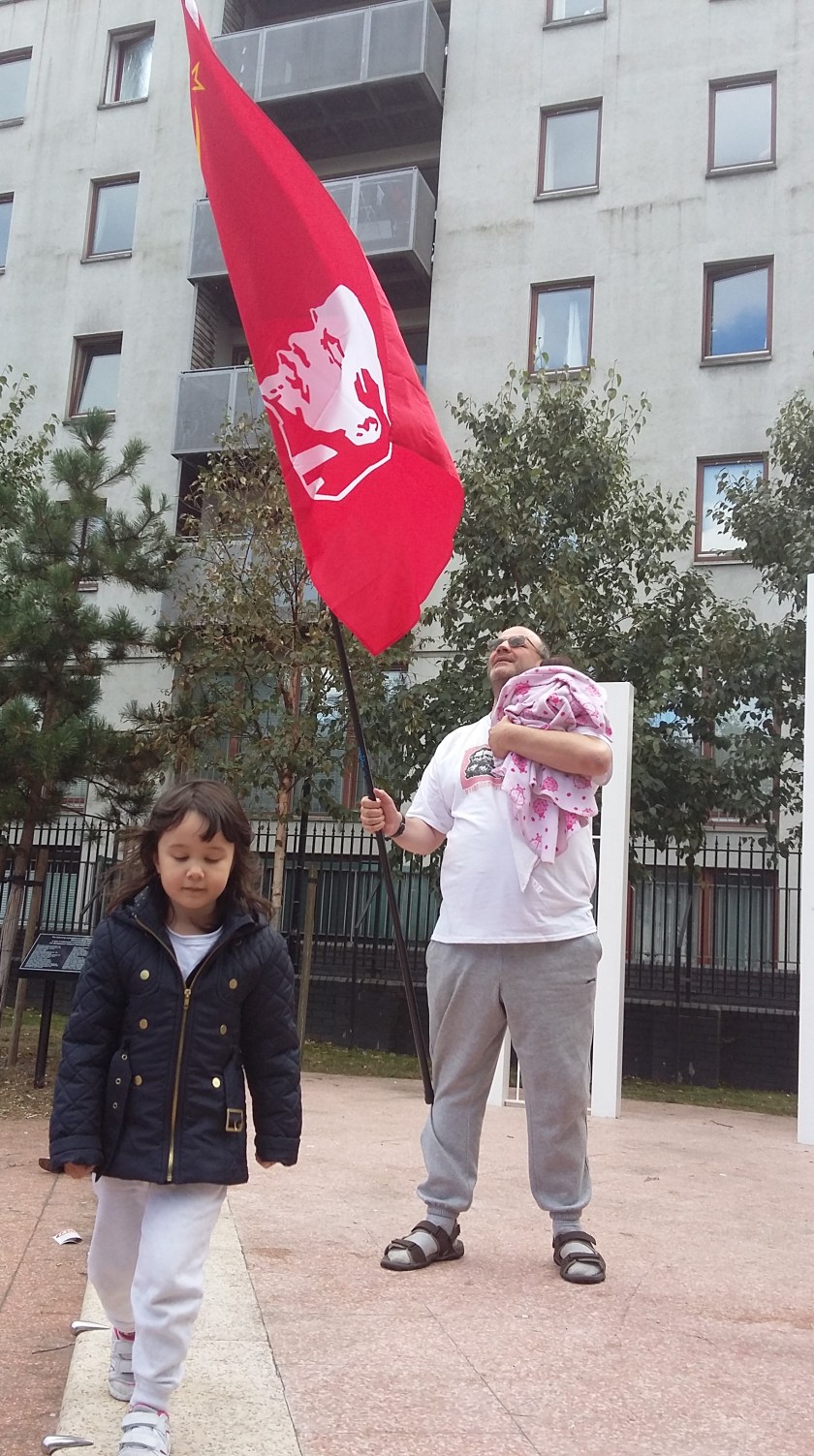
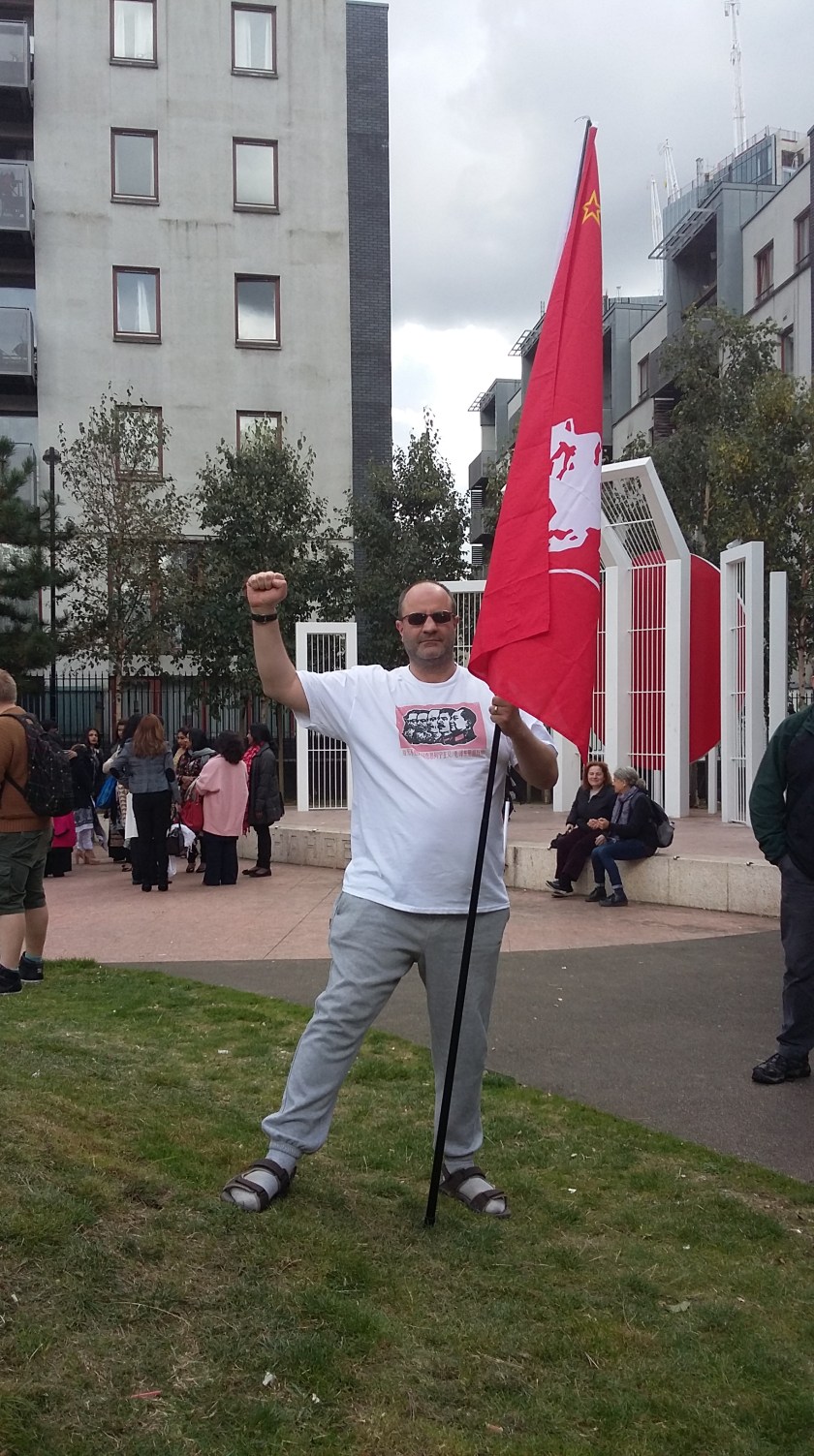
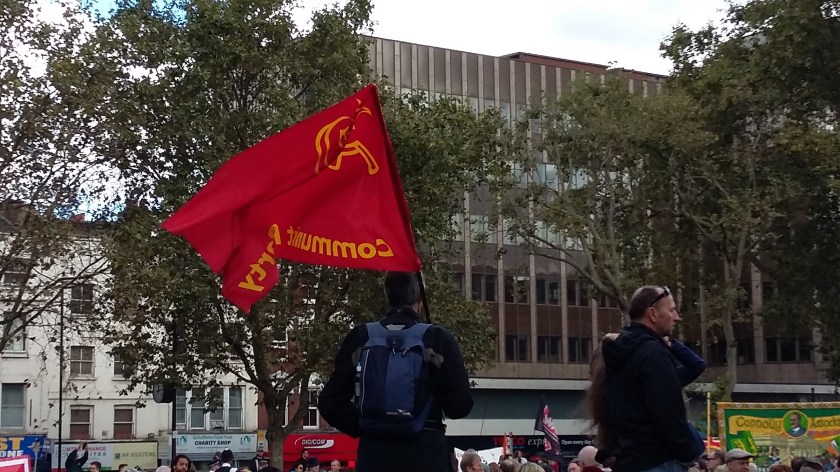
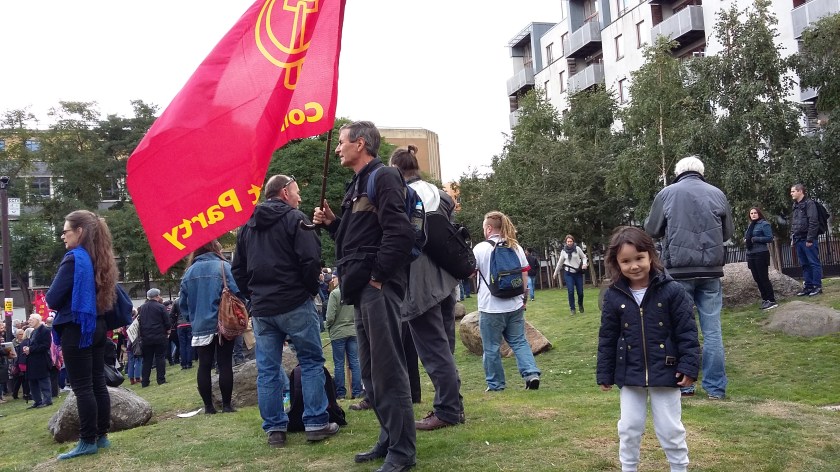
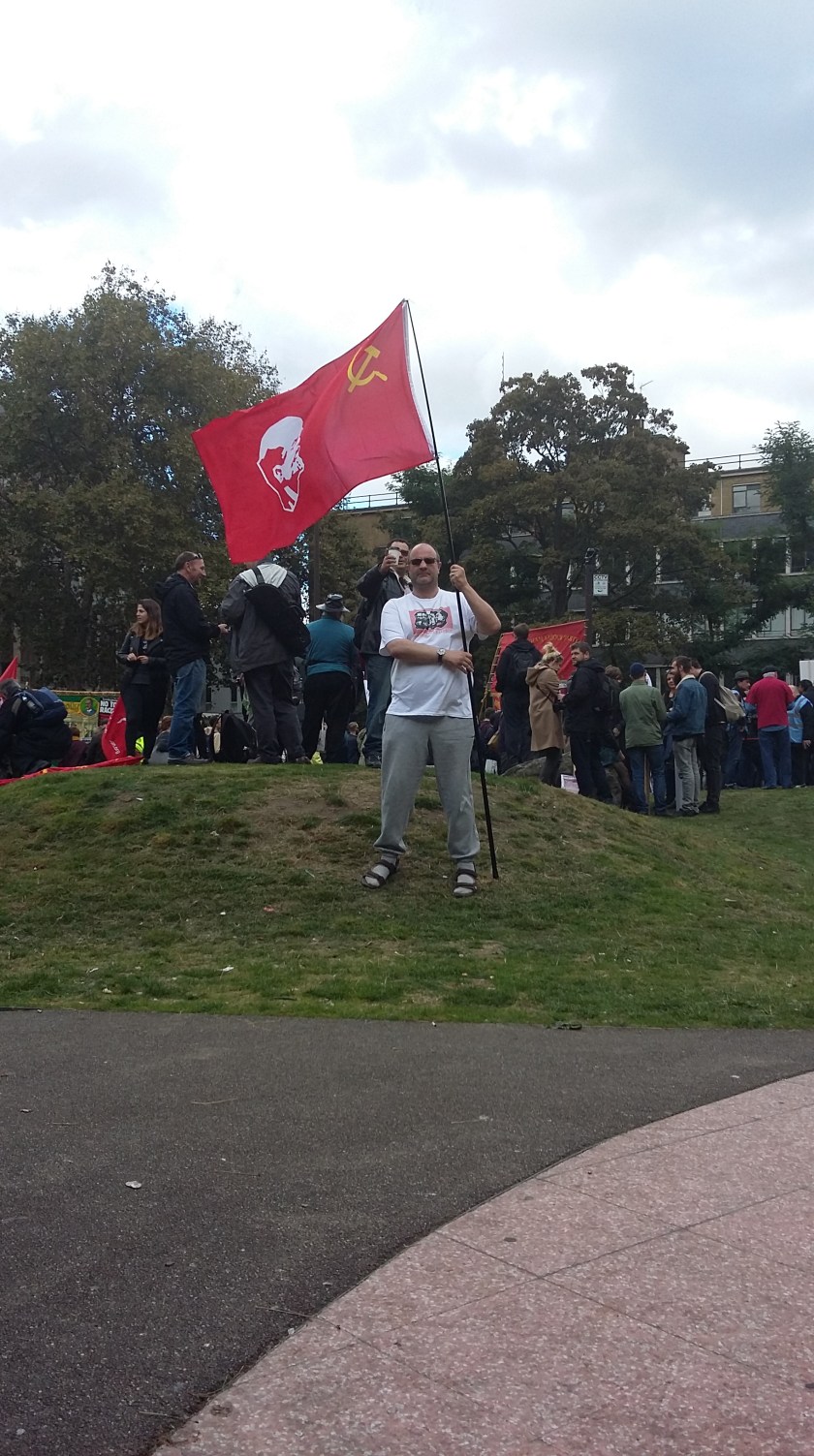
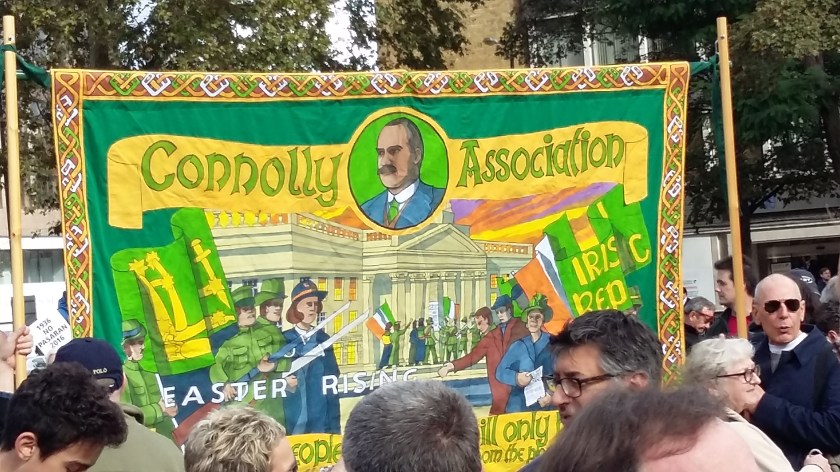
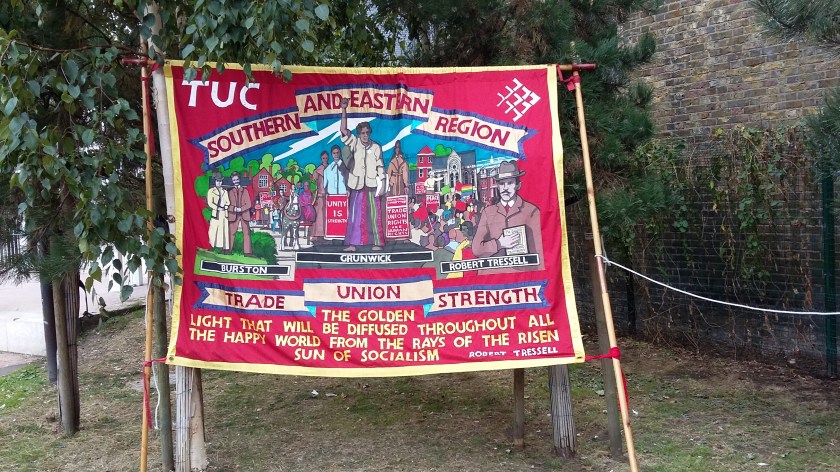
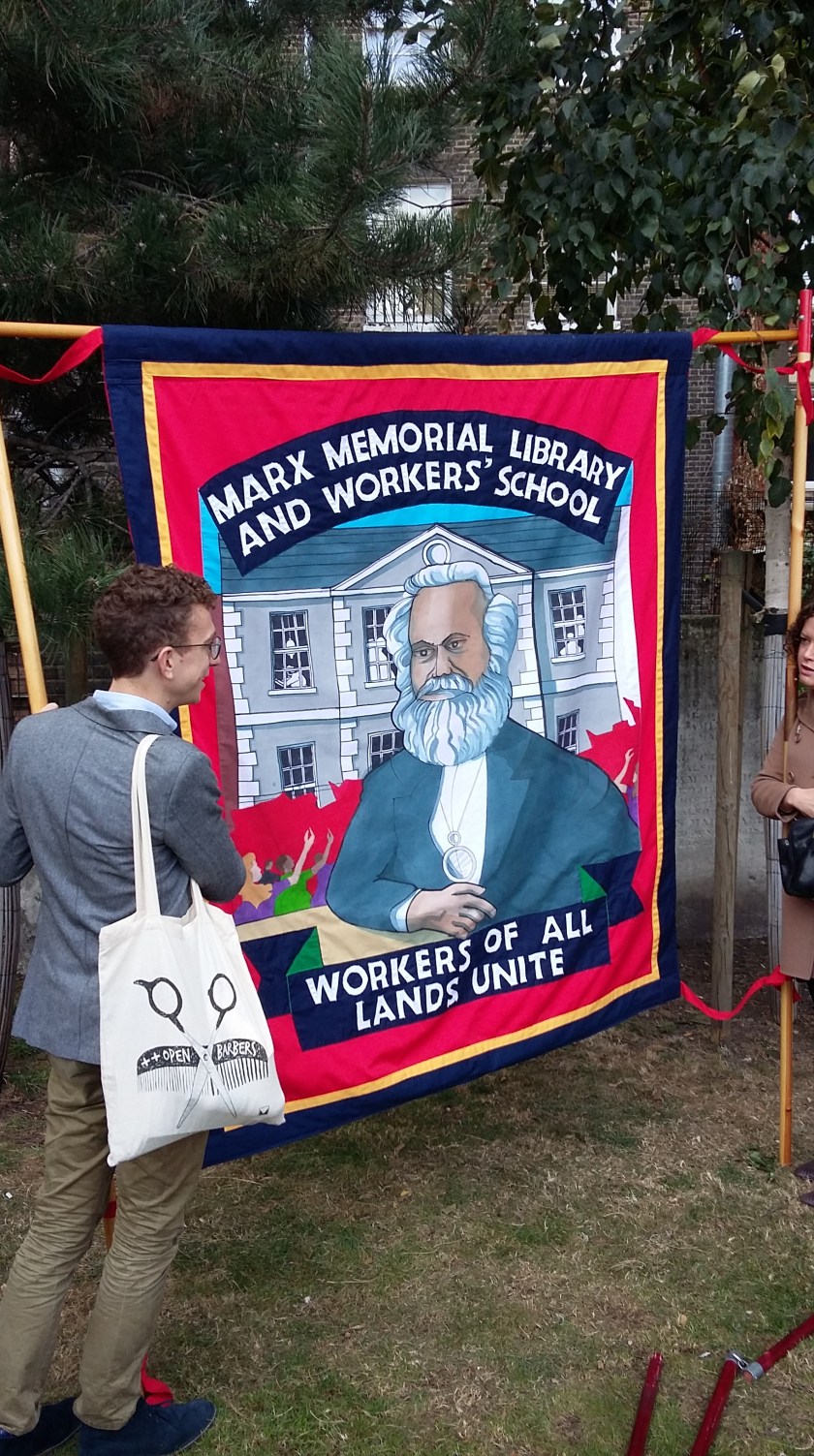
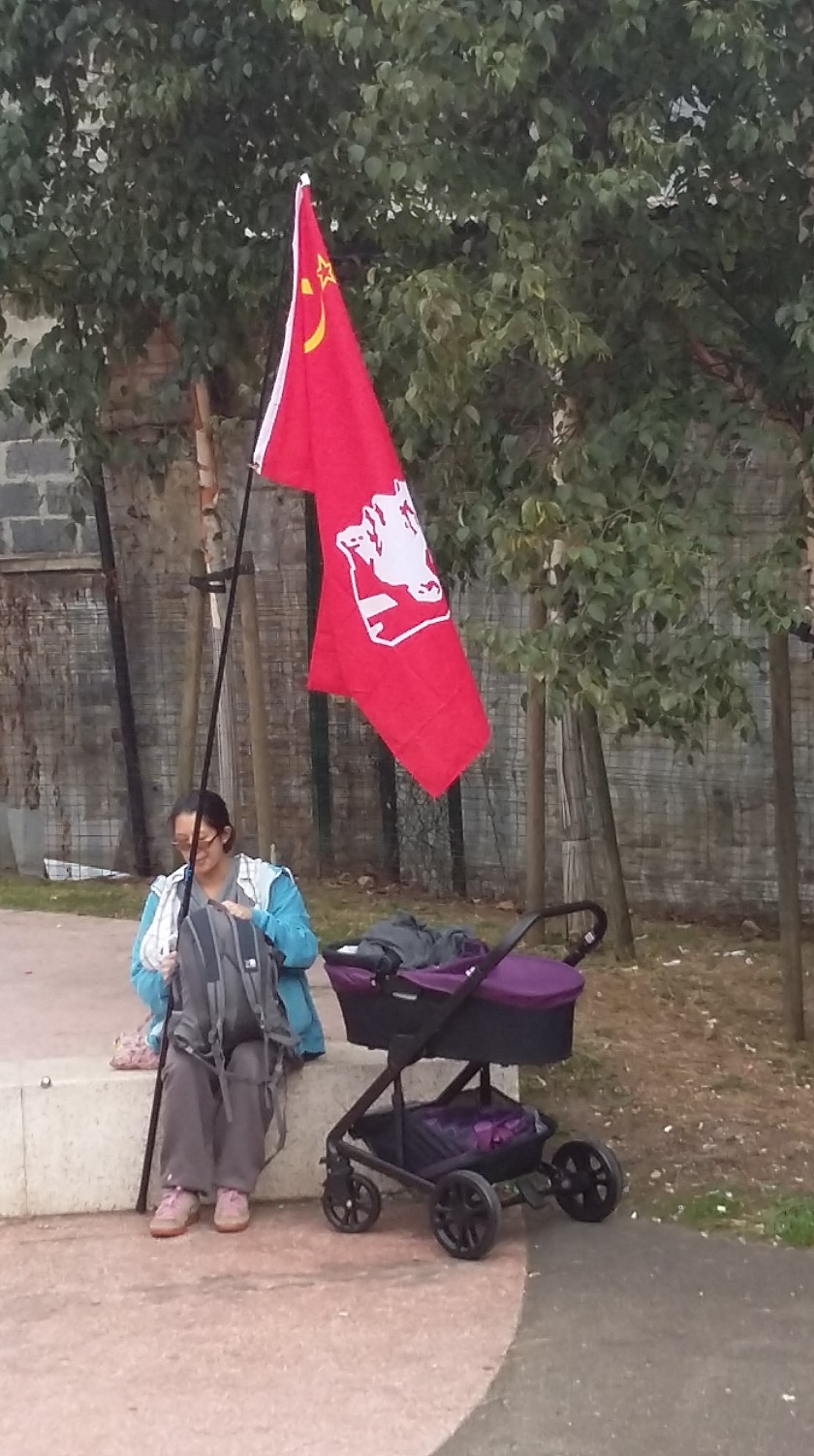
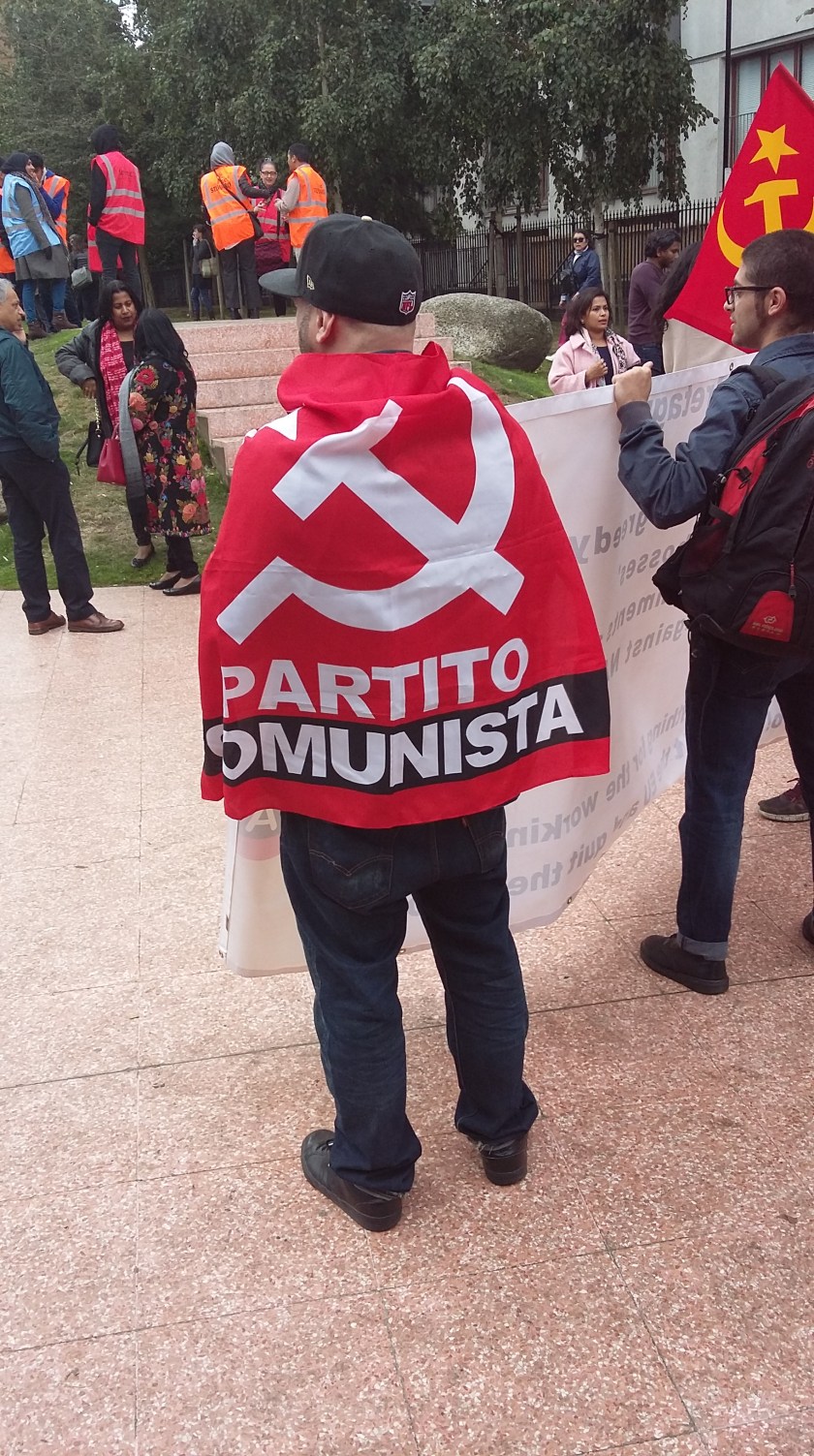
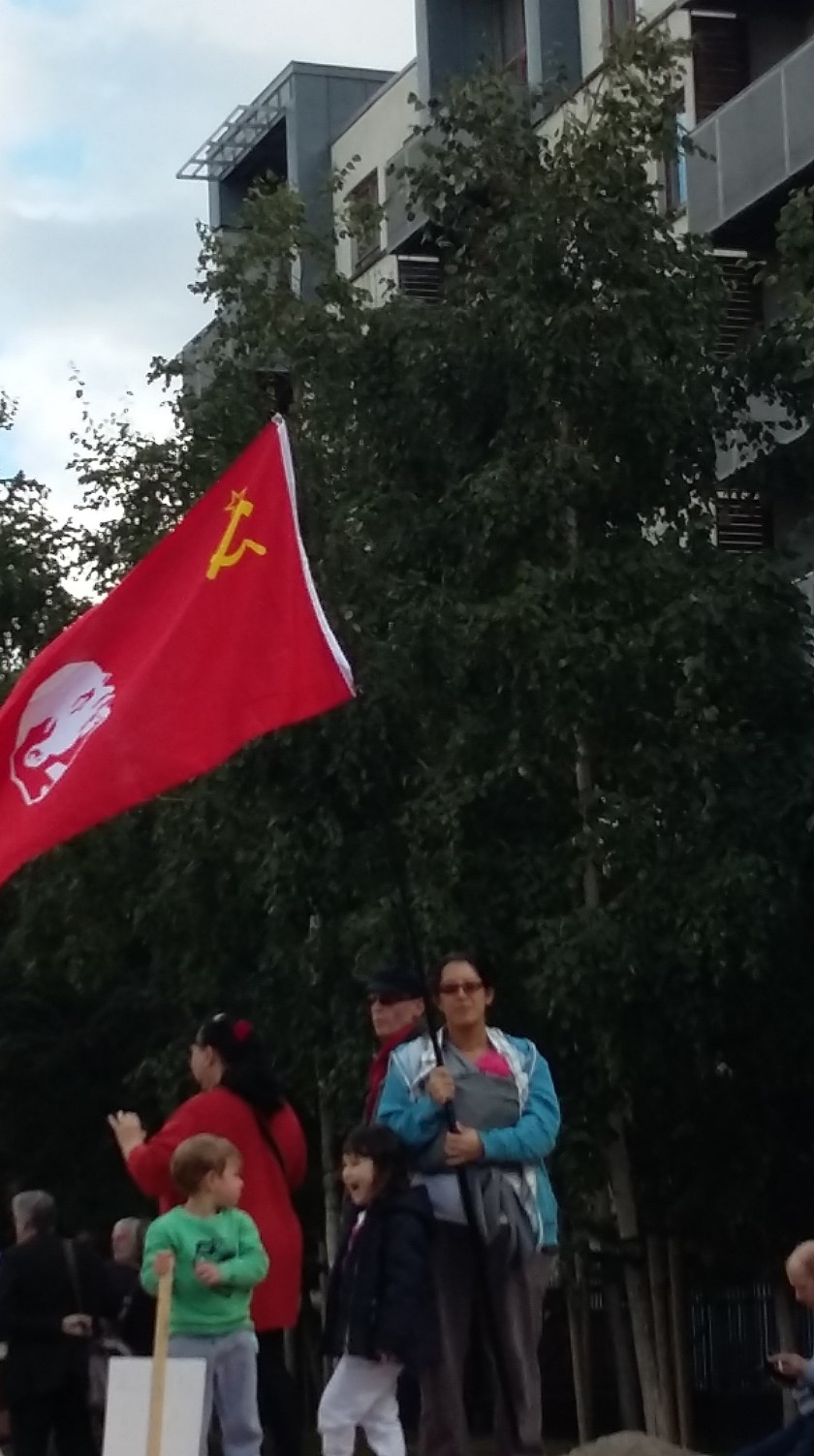
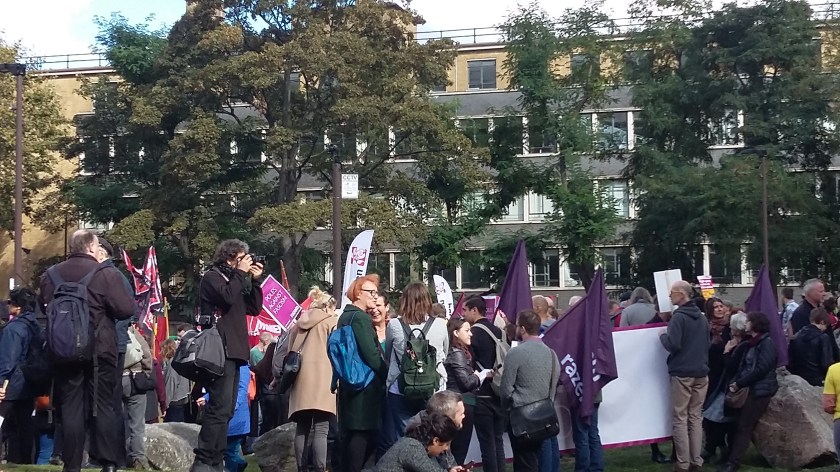
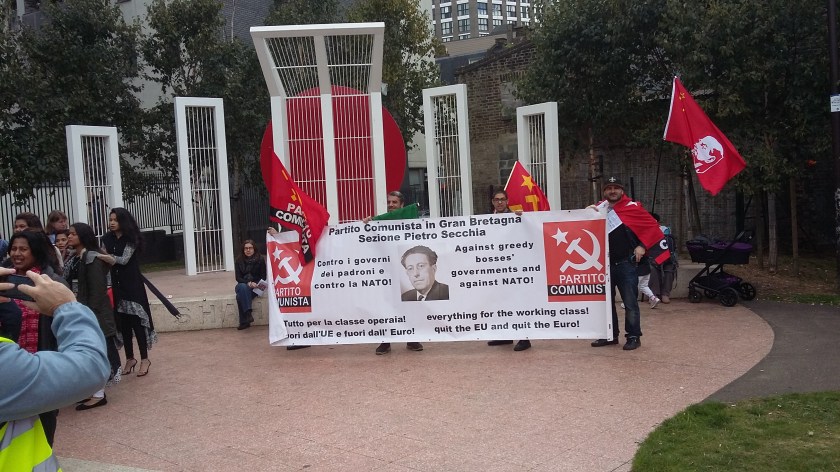
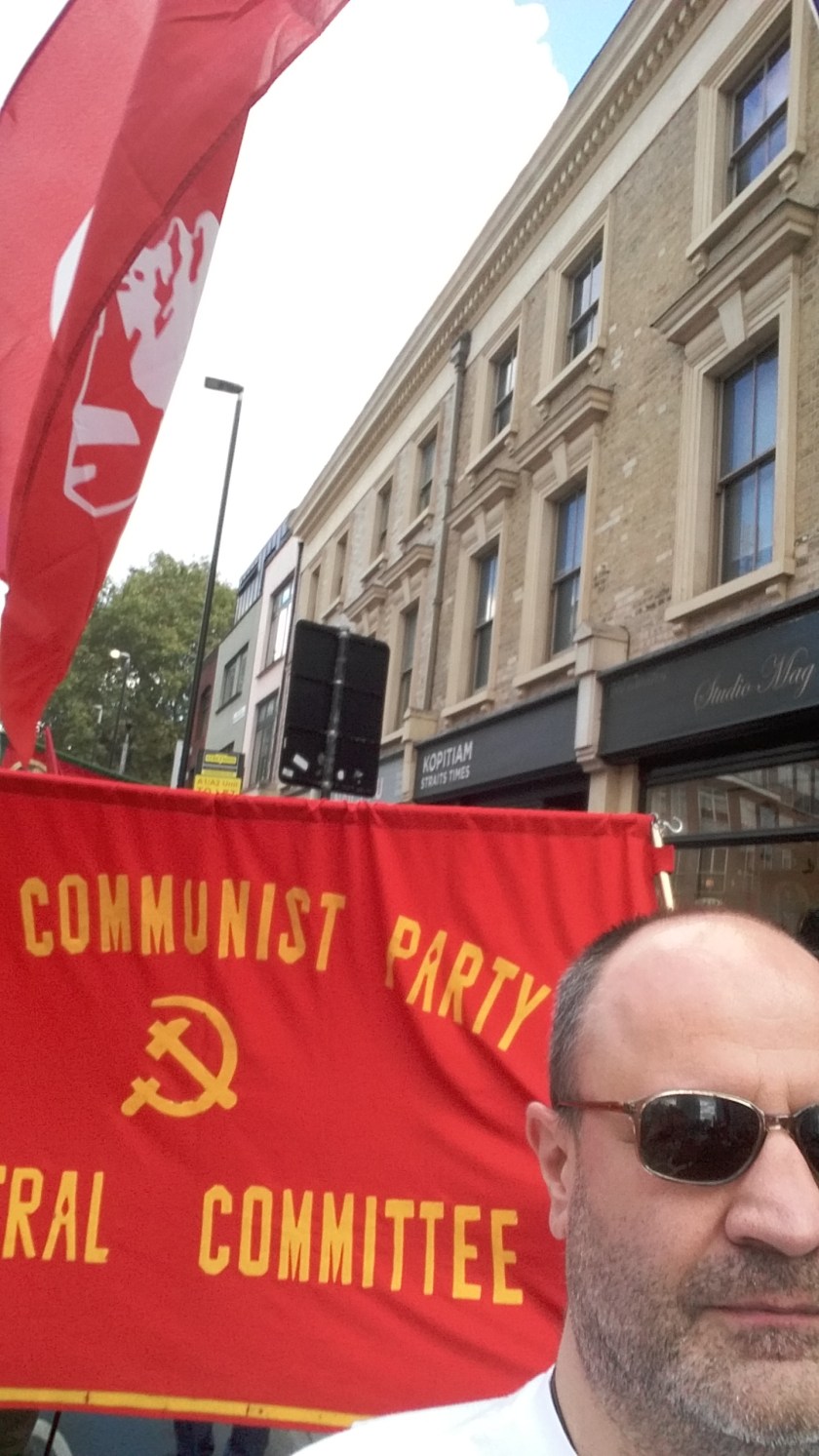
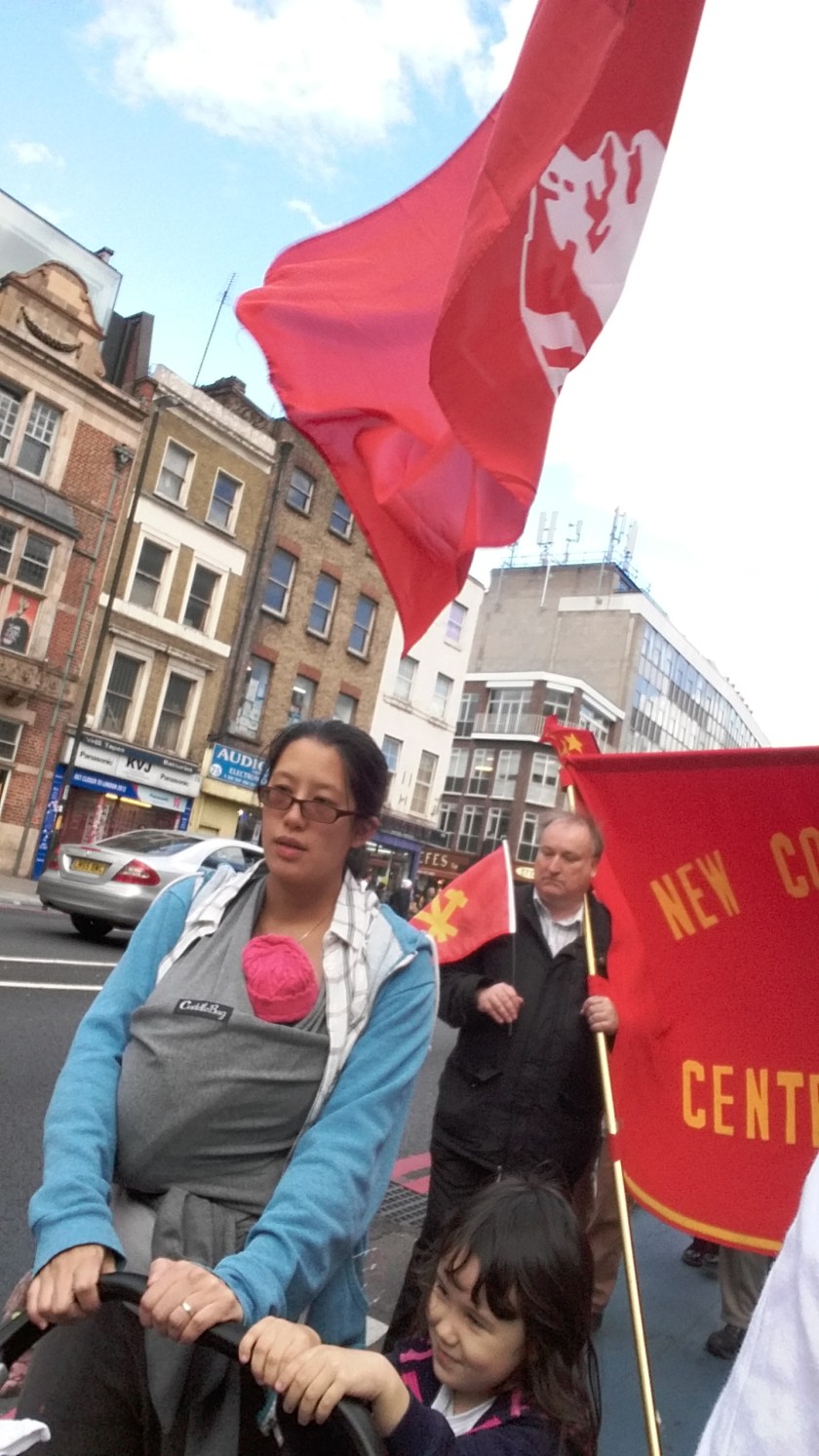
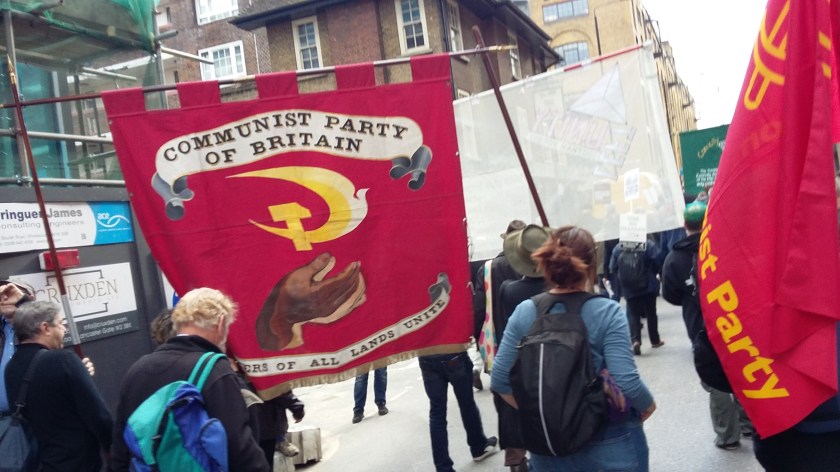
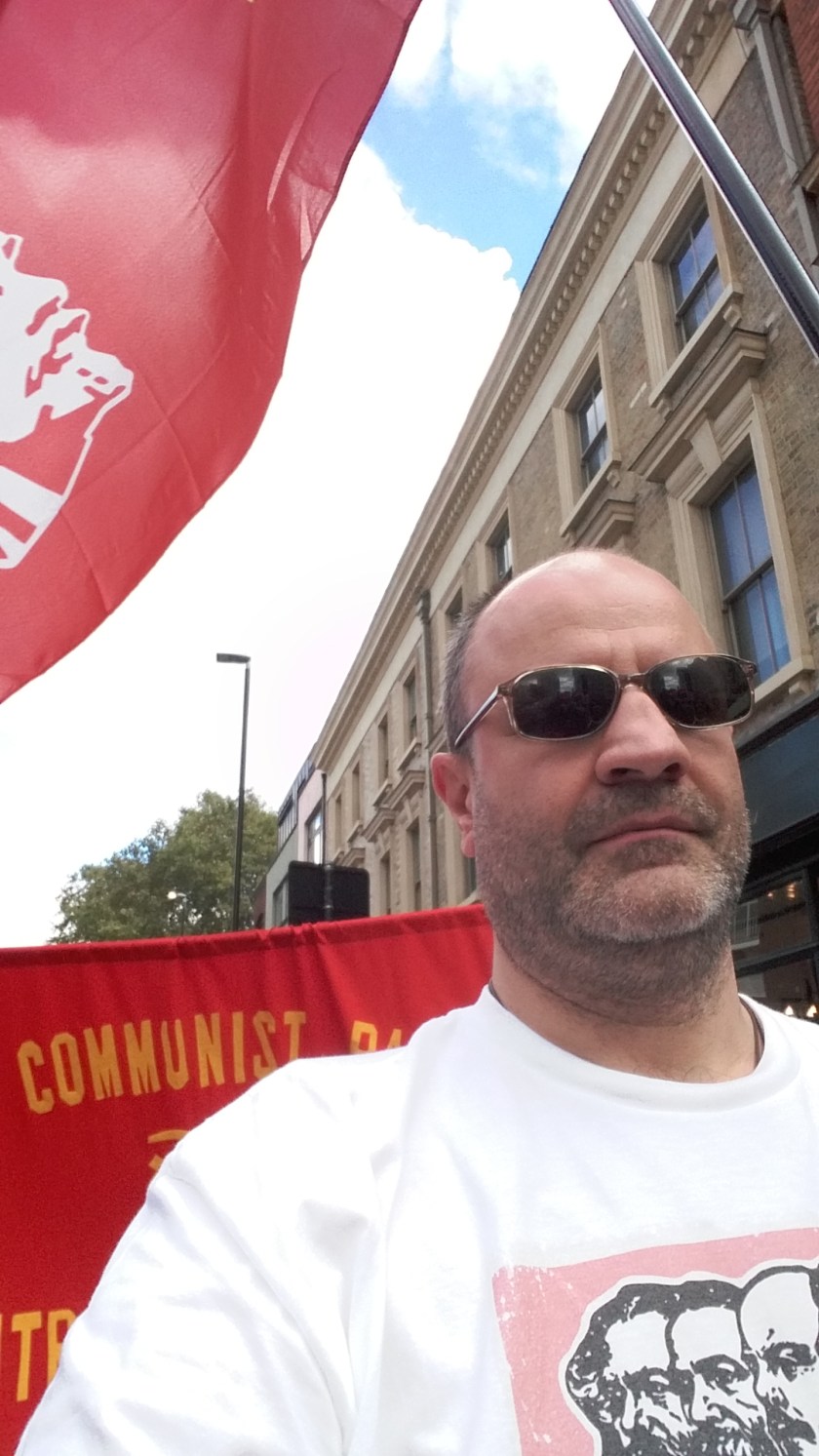
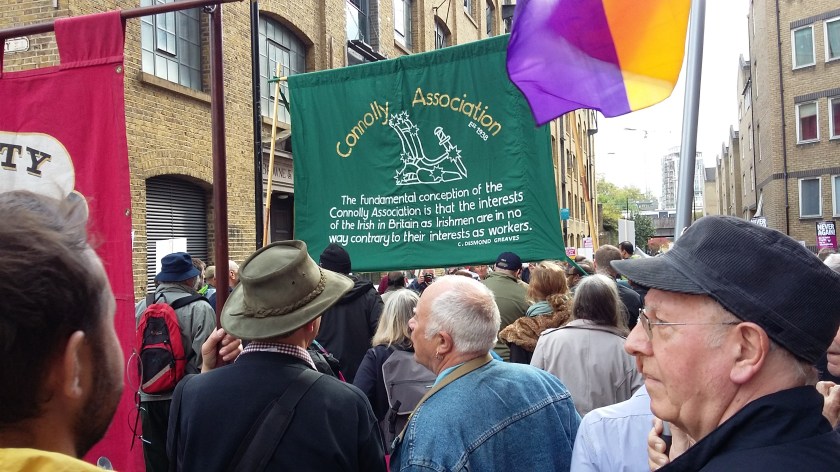
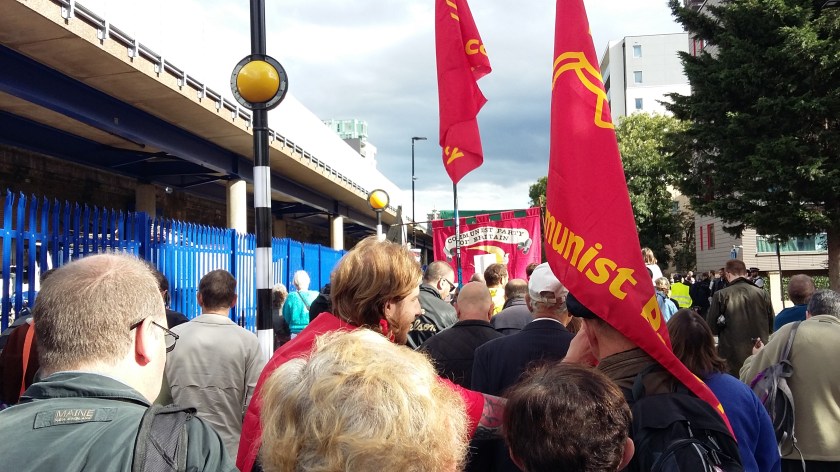
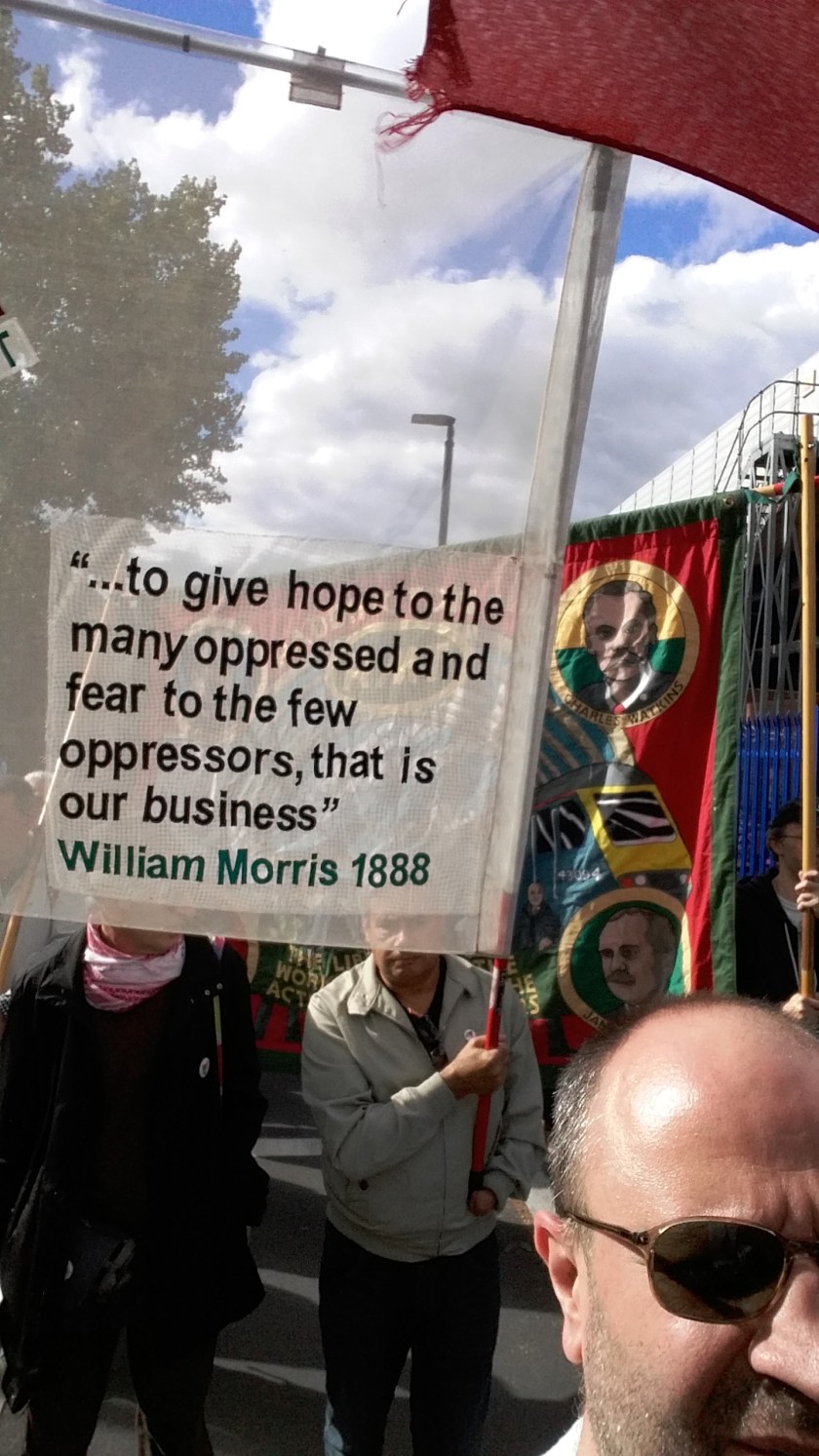
The crowds that gathered represented Communists, Socialists, freedom fighters, civil rights campaigners, politicians, many leftists from abroad, and of course, members of the Croydon Branch of the Communist Party of Britain. Following a number of inspirational speeches addressing the issue of the rise of fascism and racism yet again in modern times, in part due to mainstream politicians courting the far-right for reasons of mistaken popularity, the thousands in attendance streamed out of the Altab Ali Park to make a steady march through this area of London toward Cable Street (situated in the ‘Limehouse’ area). Limehouse used to be the old Chinatown area of London – until the Labour Party government deported around 1,500 Chinese people in 1946. Journalist George Alagiah exposed this incident in his documentary entitled ‘Mixed Britannia’:
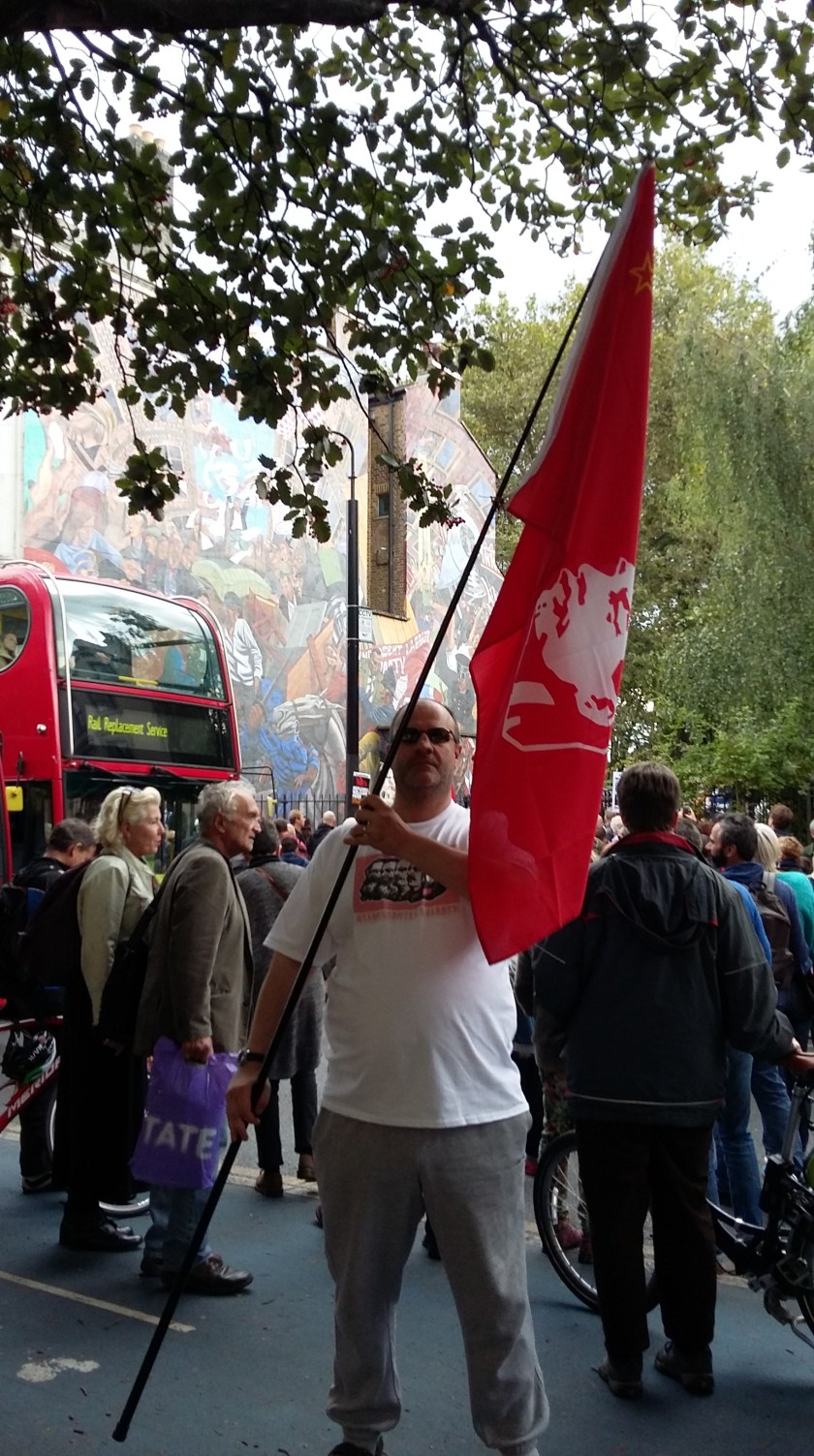
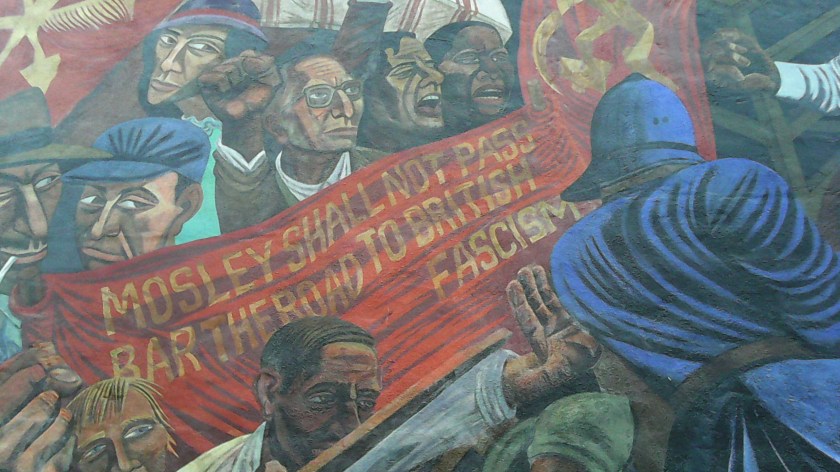
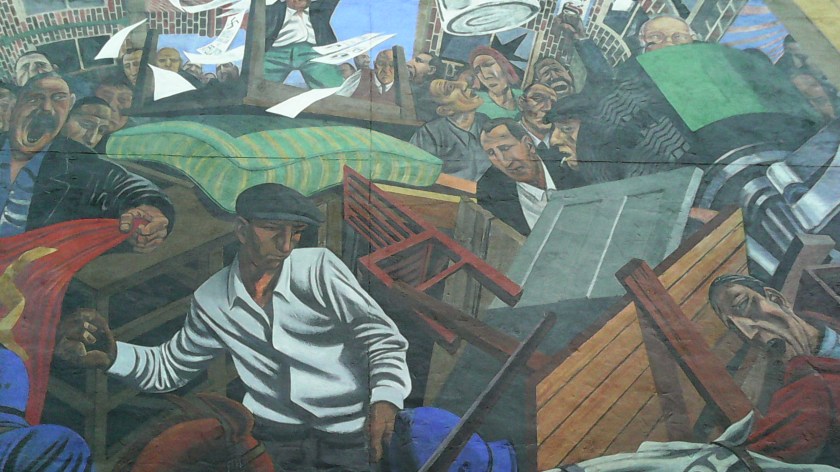
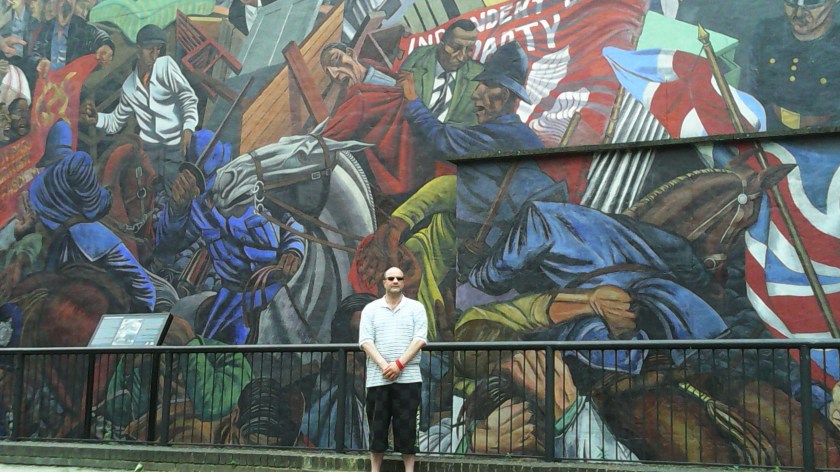
In 1936, the Communist Party of Great Britain (CPGB) – now known as the ‘Communist Party of Britain (CPB) – organised the British workers to resist and successfully confront the rising tide of German-backed fascism in the UK, that used racism and anti-Semitism as strategies to mislead the masses into attacking one another, and never the middle class that was oppressing them. The British Communist opposition to fascism was in fact part of a much broader international solidarity movement organised and supported by the Soviet Union (which was then led by Joseph Stalin). Earlier that year in 1936, the International Communist Movement had sent thousands of volunteers to fight in the Spanish Civil War on the side of the democratically elected (and Socialist) Republican government, against the renegade fascist sympathiser General Franco. As matters transpired, around 200,000 British workers clashed with 10,000 fascists in Cable Street, and routed this far-right mob out of the area. The Battle of Cable Street was a great working class victory against the forces of fascism and racism.



 SANGHA KOMMUNE (SSR)