Buddhist Swastika

China: How to Read the Buddhist “卍” (Swastika) Symbol Currectly! (17.10.2024)

Empress Wu Zetian (武则天) of the Tang Dynasty was attracted to Buddhism very much and often invited Ch’an Masters to the palace to explain Buddhist Sutras to her. It was under the promotion of Wu Zetian that Huayan (华严) Sect became a major Buddhist school during the Tang Dynasty.

At that time, there was still no consensus on the pronunciation of “卍” within Buddhism. Some people insisted that it should be pronounced as “万” (Wan4) or “The Ten Thousand Thing” – but others opposed this interpretation – and believed it should be pronounced as “万”(mo2) or “Scorpion” – referring to an Oracle Bone Inscription which refers to a non-Chinese primitive tribe (during the Shang Dynasty) that worshipped the “Scorpion” whilst mimicking its movements in a ritualistic dance (perhaps implying the “foreignness” of India).
Neo-Nazi Ukraine: The NOT So Strange Case of Shamil “The White!”! (25.4.2023)

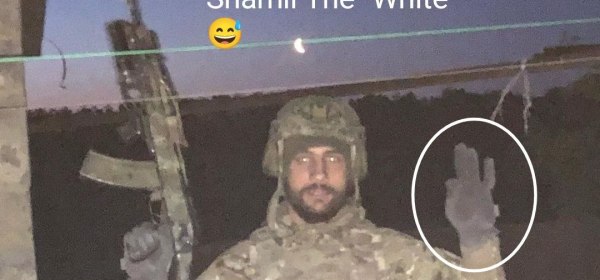
And then we come to the elephant in room (no pun intended). Oddly, contrary to the reasoning of the ‘Track A Nazi Merc’ author – ‘Shamil’ might well be an Indian ‘Aryan’ (Sanskrit for ‘noble’) whilst simultaneously remaining ‘outside’ of the Hitlerite definition of the term (the former is thousands of years old whilst the latter only dates from the 1920s). The term ‘Aryan’ and ‘Arhat’, etc, are ancient Sanskrit and Pali terms found within Hinduism and Buddhism. Thousands of years ago, light-skinned outsiders migrated into North India – displacing the dark-skinned local inhabitants – pushing the toward the South (these people now form the ‘Dravidian’ population). Most of what is today considered ‘Indian’ culture derives from the ‘integration’ of these two bodies of cultural distinctiveness (including the ‘colour-based’ Caste-system which was supposedly ‘abolished’ in 1947 – but continues unabated to this day)

The Disappearance of Ramalinga (ராமலிங்க) Swamigal! (20.4.2023)

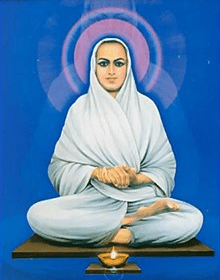
My PhD is in ‘Spiritual Metaphysics’ – which suggests I study all phenomena relating to religion and the human experience of spirituality. To this end, I treated every experience with an objective impartiality – neither ‘agreeing’ nor ‘disagreeing’. Of course, I possess a personal opinion – the my personal opinions are a product of my freedom of thought and have no bearing upon what might – or might not – be happening. As I do not trust the slap-dash and haphazard manner in which US anti-intellectualism manipulates historical data on the US govermentally controlled ‘Wikipedia’ – I have accessed ‘Tamil’ language sources – and spoken to Tamil historians about the situation regarding Ramalinga Swamigal (1823-1874). He was borm ‘Thiruvarut Prakasa Vallalar’ (திருவருட் பிரகாச வள்ளலார்) in a village situated in the Madras area of British-controlled India. Like the Buddha, this man was a Hindu who cultivated a ‘reforming’ attitude. This Siddha was known as ‘Ramalinga Adigal’ (ராமலிங்க அடிகளார்) and more commonly as ‘Vallalar’ (வள்ளலார்) – which is written today as ‘Vadalur’ (வடலூர்) – or the place where he was born (situated in the Cuddalore District, Tamil Nadu).