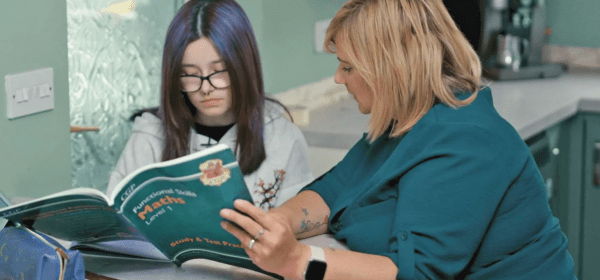
And Zara says her autistic daughter Hannah, who has hearing difficulties and attends Ilfracombe Academy, was repeatedly removed from class because her needs were not recognised.
“Behaviour is just put down to persistent defiance and bad behaviour, and they’re punished for it,” she says. “It’s never recognised as being linked to their disabilities.”
Athena told us that children with special educational needs are “not routinely sanctioned for behaviours associated with their needs”.
A lot of the anger we heard in Devon and Cornwall is, we were told, down to the lack of accountability.
Academy trusts do not have any supervision from local councils, meaning only central government can intervene.
One of the biggest weaknesses of the trust system is that it complicates the complaints process, says education journalist Laura McInerney, who co-founded Teacher Tapp, an app designed to track educators’ wellbeing, classroom practices, and opinions on education policy.
If parents are not satisfied with a specific school’s response, she says, they have to contact the trust, which could be miles way, and which “you may or may not hear from in anything other than a letter”.
The government says parents can take complaints about academy trusts to the Department for Education.
Across England, there is growing concern about punitive disciplinary practices in schools.