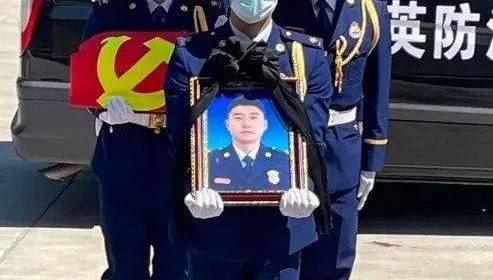
On May 10, the CFR-02308 crew of the Kunming Air Rescue Detachment – of the Forest Fire Protection Bureau of the Emergency Management Department –
Proletariat Blogging in the Heart of (UK) Predatory Capitalism! Exploring the Interface between Matter and Perception, Chinese Buddhism, Daoism, Hakka Ethnography, and All Aspects of Radical Politics, History, Psychology and Philosophy – 全世界无产者联合起来!
On May 10, the CFR-02308 crew of the Kunming Air Rescue Detachment – of the Forest Fire Protection Bureau of the Emergency Management Department –
‘Neither the same nor different…’ Ven. Nyanaponika Thera: Abhidhamma Studies – Buddhist Explorations of Consciousness and Time, Wisdom, (1998), Page 44 The religious experience should not remain the sole possession of
(Research and Translation by Adrian Chan-Wyles PhD) Maozi said: Even to mention the Way (道 – Dao) is to demonstrate the profound direction of movement.
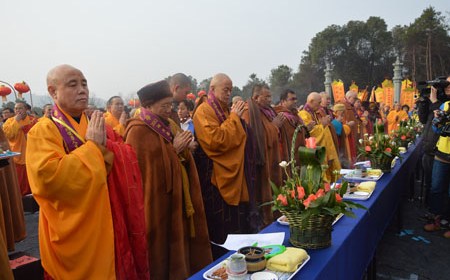
Surrounded by thousands of devout followers of the Buddha, the eminent monks – led by the Venerable Dharma Master Jing Hui – each mounted the mandala-platform in turn. The Venerable Jing Hui was followed by Cambodia’s Great Sangharaja Bugeli, and then Thailand’s head of the Supreme Sangha Council – the Venerable Phraphrommethee – followed by the other eminent elders and dignitaries, all following the old monk Jing Hui’s directions.
Original Article: Golden Lotus Rain (金色莲华雨露) Blog (Translated by Adrian Chan-Wyles PhD) Translator’s Note: Buddhism has had to integrate into an essentially Confucian culture in
‘Tantra (तन्त्र) is a Sanskrit term that translates literally as ‘weave’ – but more specifically refers to the ‘weft’ of a loom, or the horizontal threads that are ‘weaved’ through the lengthwise warp threads. Indeed, the Sanskrit term ‘tantravaya’ refers to a ‘weaver’. The term ‘tantra’ can also be used to refer the ‘thread’ that is actually ‘weaved’, and is related to the Sanskrit term ‘tanti’ (तन्ति) which translates as a ‘cord’ traditionally used to tether calves. Furthermore, the verbal root ‘tan’ is defined as to ‘stretch’. This description of a practical handicraft has become adapted to describe a specific practice that links the practitioner to his teacher, to the Buddha, and to the goal of enlightenment. There is a common ‘thread’ that weaves its way through time and space, and which also links the practitioner as existing in the deluded sphere, to that of the unconditioned enlightened sphere.’

