
This photo shows lunar samples retrieved by the Chang'e-6 mission at the lunar sample laboratory in the National Astronomical Observatories of the Chinese Academy of Sciences (CAS) in Beijing, capital of China, Sept. 24, 2024. (Xinhua/Jin Liwang)

China: Research on Chang’e-6 [Dark-Side] Lunar Samples Underway! (11.10.2024)

A research paper published in September on the lunar samples brought back by the Chang’e-6 mission says that the Chang’e-6 samples exhibit “distinct characteristics” compared to previously obtained lunar samples.

The Chang’e-6 probe was launched from China on May 3, 2024. On June 25, its returner made a landing in north China, bringing back 1,935.3 grams of samples from the far side of the moon. (Xinhua/Jin Liwang)
China's Socialist Technology Triumphs!

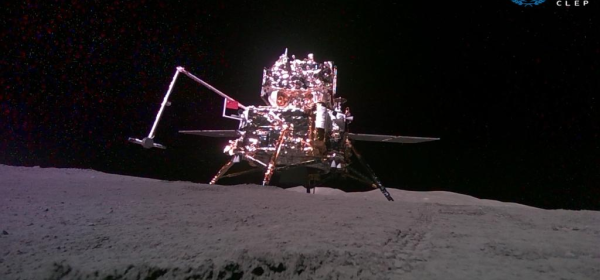
Socialist China: Humanity’s First Photographs of Moon’s Dark-Side! (4.6.2024)

Apollo 11, for instance, possessed a computer similar to that which operates most ordinary washing machines (the washing machine is believed to have positively altered human society to a far greater extent than the internet). The internet started as a US attempt to use telephone technology as a “spying” device in every room of the world. The idea was to develop a unifying computer technology which linked all telephones together so that they become, whether in use or not as an analogue communication device, a transmitter of all noise operating around or within the local vacinity (a function unknown to the owner) – broadcasting all this data to a Central Listening Headquarters in the US. A similar situation exists today – with all your emails, posts and other written sources of data uploaded onto the internet. All is observed, recorded and filed away by your National Governments – which report to the US.

USSR: Did the Soviets Find Life on Venus? (8.12.2017)

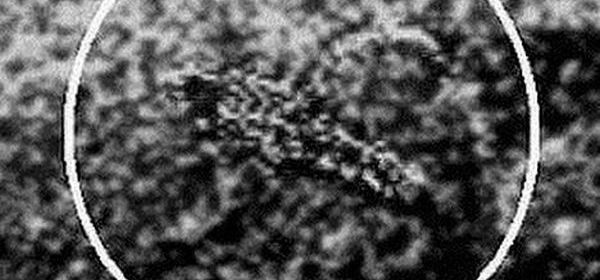
The authoritative Russian astronomer and Chief Researcher of the Space Research Institute of the Russian Academy of Sciences – Leonid Ksanfomality – has published an article in which he asserts that there may be life on Venus. The scientist analysed images transmitted from the surface of this planet by the Soviet space probe Venera-13 in 1982. On a series of successive frames (9 pictures), he discovered several objects that appear and disappear.

1 2