A ‘thought’ in the mind is in fact the product of a sophisticated chain of chemical reactions experienced in the brain. The physical organ of

Proletariat Blogging in the Heart of (UK) Predatory Capitalism! Exploring the Interface between Matter and Perception, Chinese Buddhism, Daoism, Hakka Ethnography, and All Aspects of Radical Politics, History, Psychology and Philosophy – 全世界无产者联合起来!
A ‘thought’ in the mind is in fact the product of a sophisticated chain of chemical reactions experienced in the brain. The physical organ of
The Theravada School is one tradition of at least eighteen lineages that developed from the teachings of the single Buddha. Each of these schools differed

None of this madness indicates the empty mind ground.
Going places changes scenery in-front and behind…
But perception remains non-purified and shallow.
It is better to say that none of these words contain any structure!
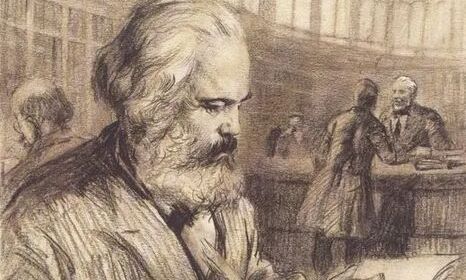
Marx encountered Buddhism through the work of his close friend Karl Koppen – an early European expert upon Early Buddhism and Tibetan Buddhism.

Most lay-people, however, practice Buddhism whilst being married, having children and holding-down a job. Even so, and despite all the extra entanglements and barriers of commitment, the Buddha still stated that lay-people, if devoted to their practice, can still realise enlightenment, even though it is not an easy task. A male lay-follower of the Buddha is referred to as an ‘Upasaka’, and a female practitioner as an ‘Upasika’. These two terms refer to ‘lay’ practitioners that sit near to the Buddha (or his monastics) and ‘listen’ carefully (and with respect) to the Dhamma instruction being explained. These ‘lay’ practitioners then go back to their homes and carefully recall (and record) the Dhamma lesson which they put into their daily practice. However, the crux of this article is about two other categories of ‘lay’ person explained by the Buddha in his Suttas, but which are not often mentioned within Western discourse. This means that the Buddha actually explained ‘six’ (6) categories of human-beings in his Suttas – with four referring to his followers – and two to ‘non-believers’. Who are these ‘non-believers’, and why did the Buddha bother to explain their presence?
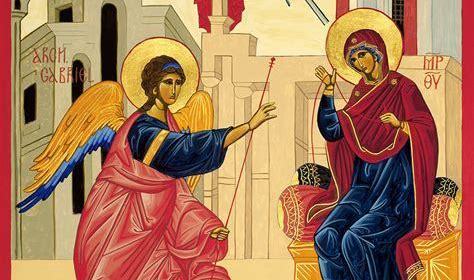
Dear Gillian I am reading Bart D Ehrman’s monumental book entitled ‘Lost Christianites’. Obviously, this is a critical study premised upon the objective discipline of philology, but

