The Buddha advises that all those who follow his path must ‘uproot’ ALL ignorance. This instruction alone proves that the Buddha was a ‘scientist’ and not a religious teacher in the conventional sense.
Category: Buddhism
Exploring the philosophy (and practice) of Early and Later Buddhism.
Thailand: Buddhist Monks Will Stop Begging
Buddhist monks to fast to death over Tiger Temple slander!
Buddhist Responsibility of Speech
The modern liberal notion of ‘freedom of speech’ is an error of interpretation for the Buddha, because such speech is never ‘free’ of greed, hatred and delusion in the unenlightened state. In reality ‘freedom of speech’ is the institutionalisation of the freedom to spread greed, hatred, and delusion throughout the world, with no thought for the consequences.
Tiger Temple Solidarity Letter Against Racist Animal Rights (7.6.2016)
Animals Rights has a nasty under-belly of far-right membership.
George Galloway’s Comments on Buddhism
Criticism is an important and central aspect of Buddhism. However, the Buddha taught that such a process should be ‘truthful’ if it is to be effective.
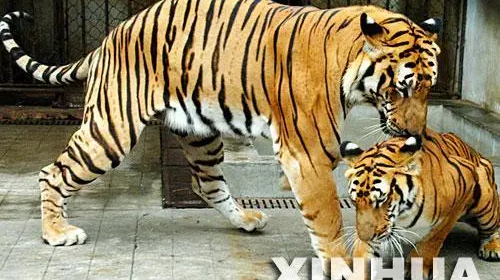
Tiger Bone Banned in China Since 1980! (5.6.2016)
Racist Animal Rights supporters in the West are assisting Rupert Murdoch on his attack of a Buddhist Temple in Thailand.
 SANGHA KOMMUNE (SSR)