

We travelled from Sutton (in South-West Greater London) to Market Overton (a village in the county of Rutland) on Saturday 25th of October, 2025 (the last day of British Summer Time [BST]). This was a journey of around 141 miles – with Market Overton being due North of Sutton. The journey should have taken around 2 hrs 40 minutes – but due to heavy traffic all the way along – the travel time was just over 5 hrs (including one-hour for recharging the EV at Houghton Regis – thank you Greta).

We are in the Northants area to visit Duddington once again – to complete the geographical research study we initiated in the Summer months. We stayed 7-days at Easton-on-the-Hill at that time – whilst we are spending 5-days this time in Market Overton. We have a list of objectives we need to complete – which will start to morrow. Meanwhile, after arriving around 17:00 hrs, me and Gee took a lovely Autumnal walk around the village and photographed as we went.

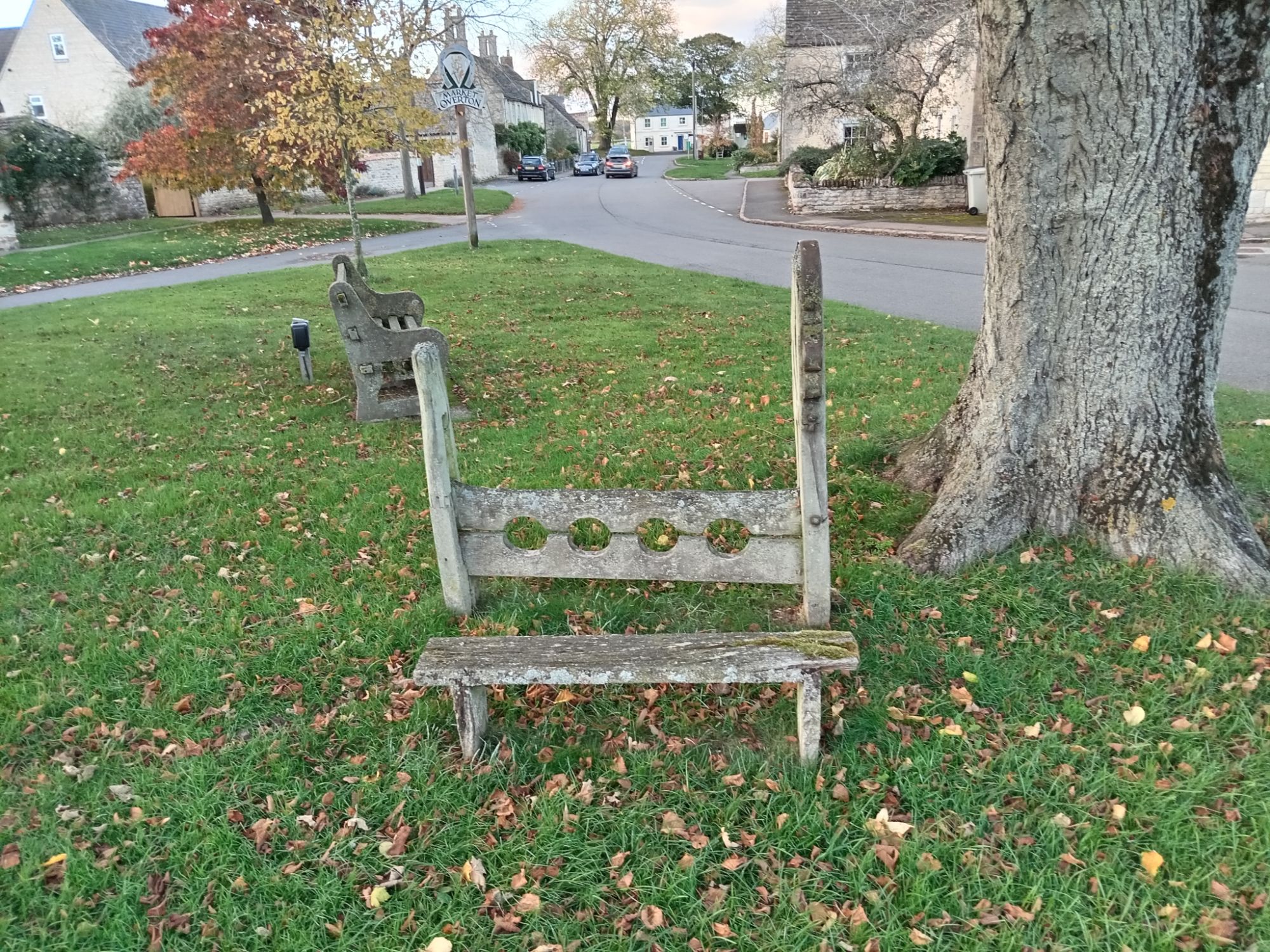
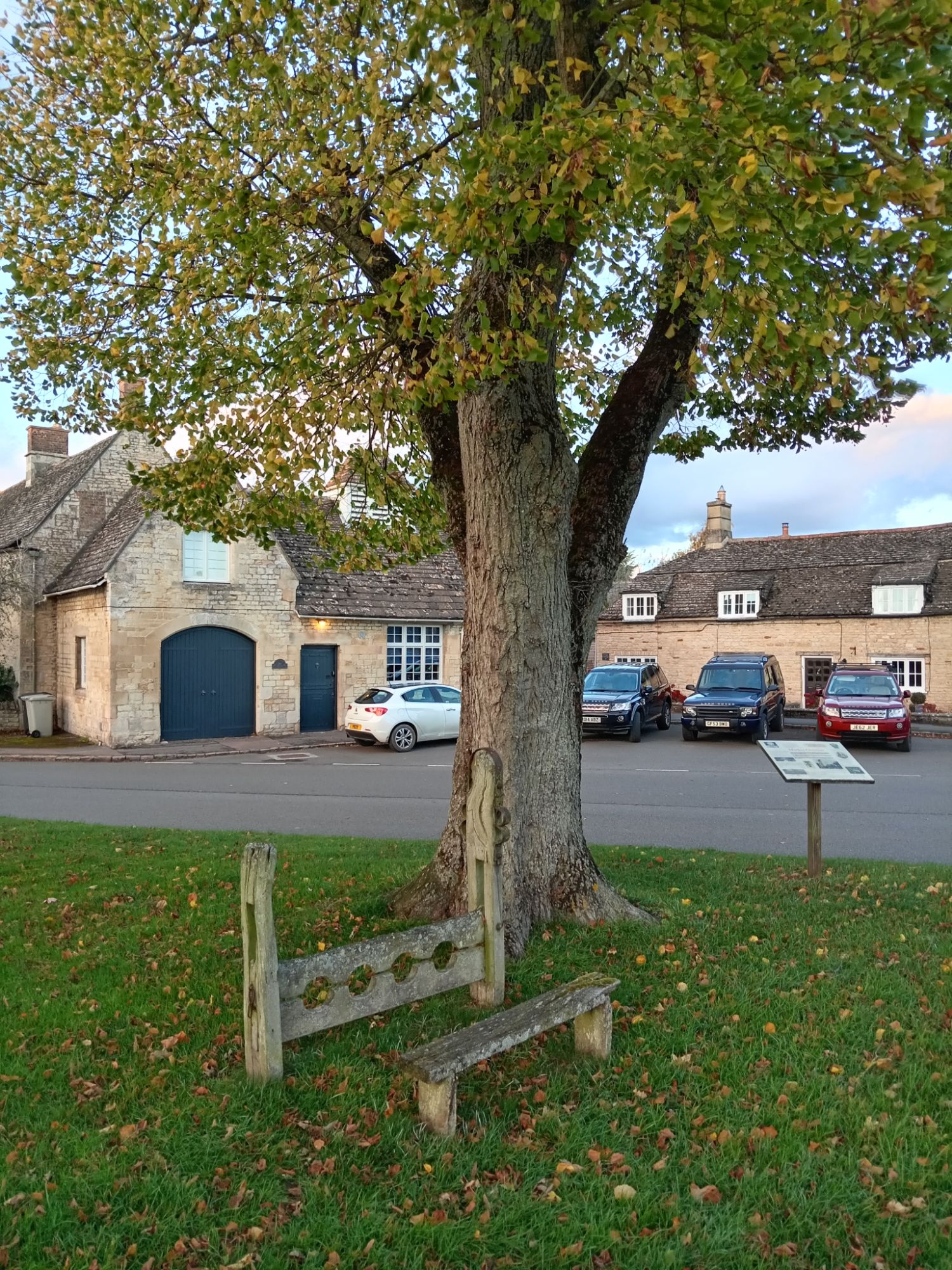
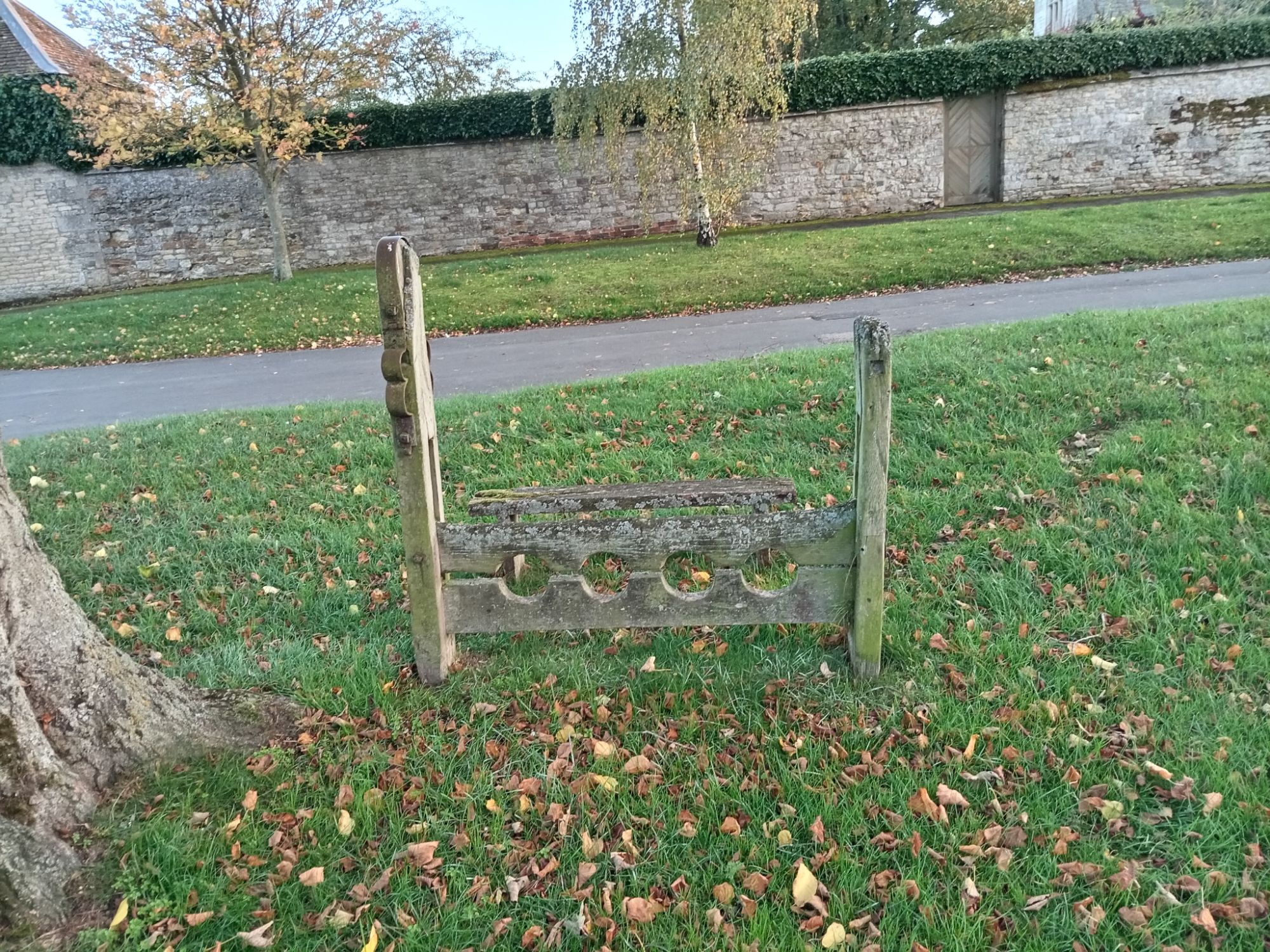
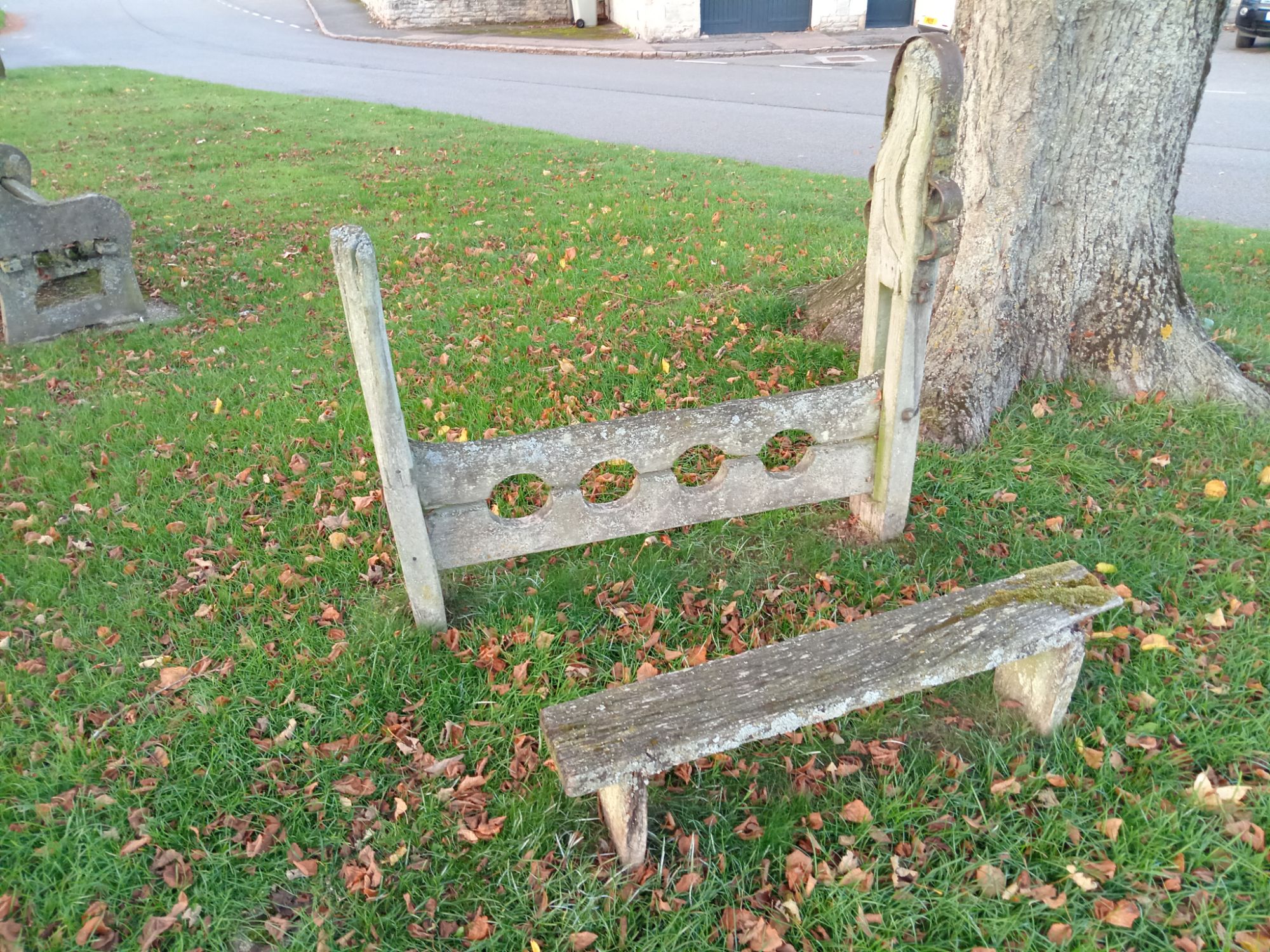
In the old days, the local Courts would often sentence local people to a set-time in the Stocks – or a certain number of strokes from a whip whilst tied to the “Whipping Post”. When their hands and feet were firmly manacled into the stocks – the interested village population could take it in-turns to throw rotten fruit and vegetables – together with animal waste and other such horrible substances, at the condemned. This was at a time when long sentences of imprisonment were not yet used as a punishment. This treatment was designed to be so humiliating that a villager would not dare commit a similar crimnal act in the future – or at least that was the intention. This structure is a Grade II listed building with the entry reading:
‘Village stocks of C18/early C19. Wood. Set of double place stocks with adjoining bench seat.’
This wooden structure (a double Stock and Whipping Post in fact) sits on the Village Green which is located on the West-side of the Main Street:
‘Now retrace your steps along Main Street to the village green [20].
The much-repaired Grade II listed stocks and whipping post, last used in
1837, were made in the late 18th century by John Wilbourne, who himself
was later confined in them for drunkenness.’
 SANGHA KOMMUNE (SSR)