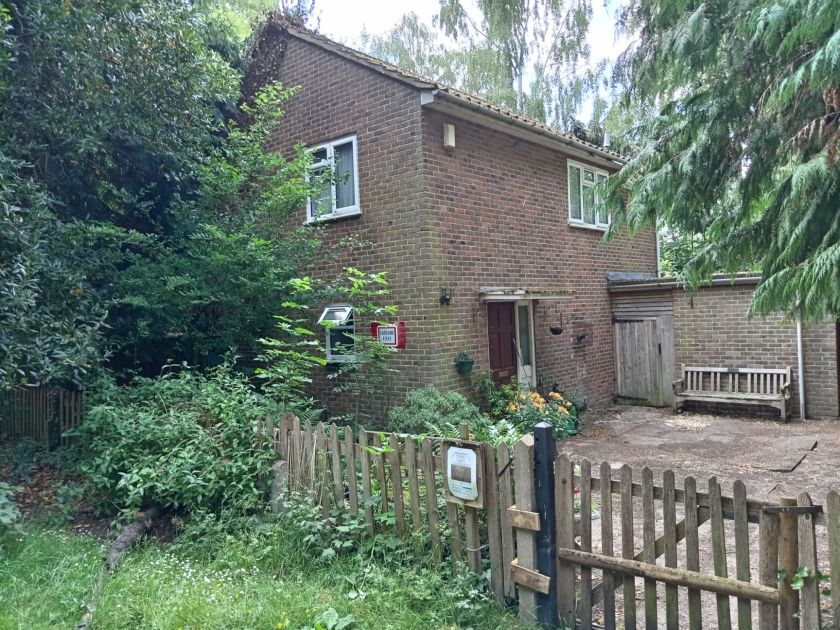
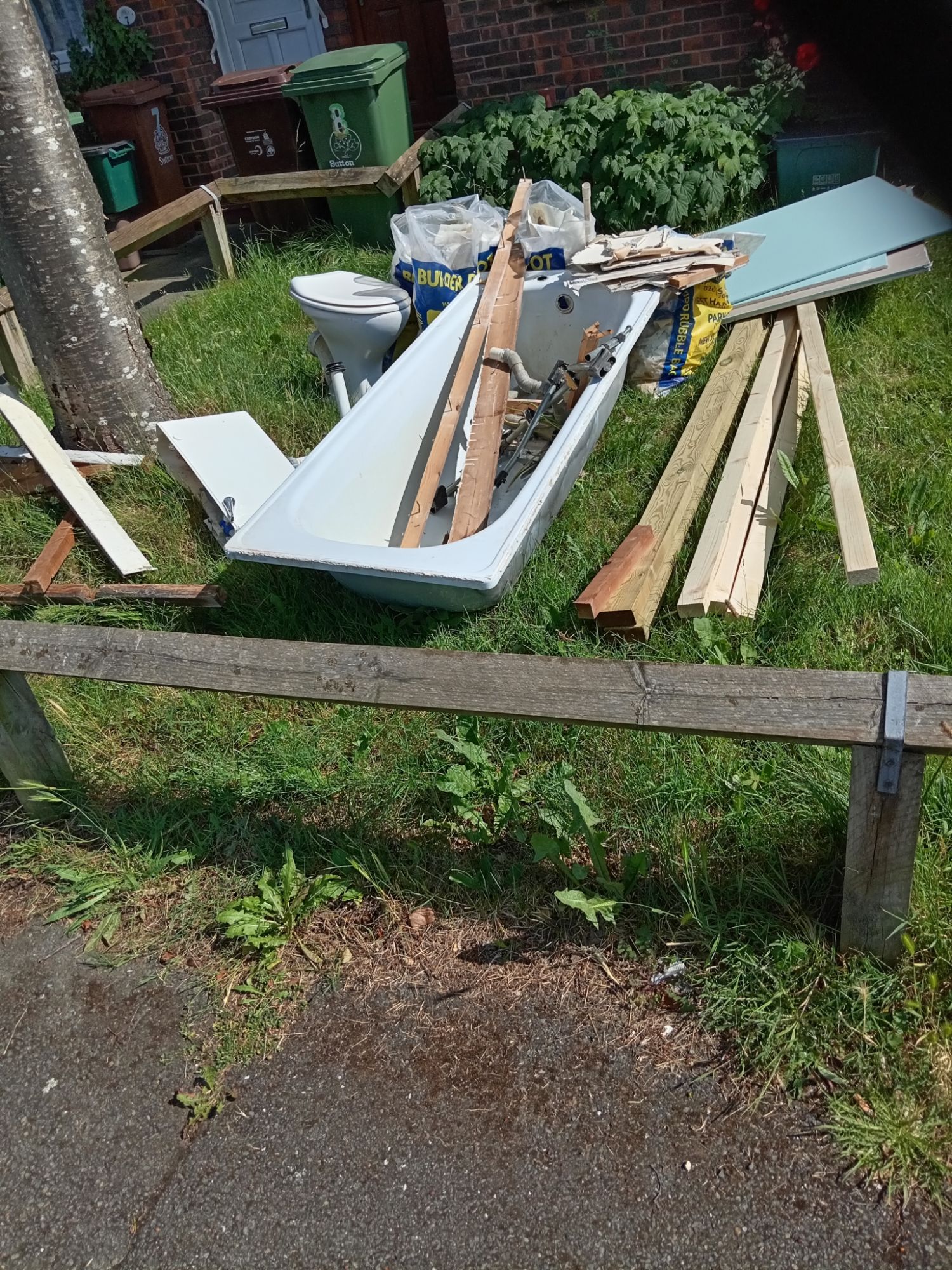
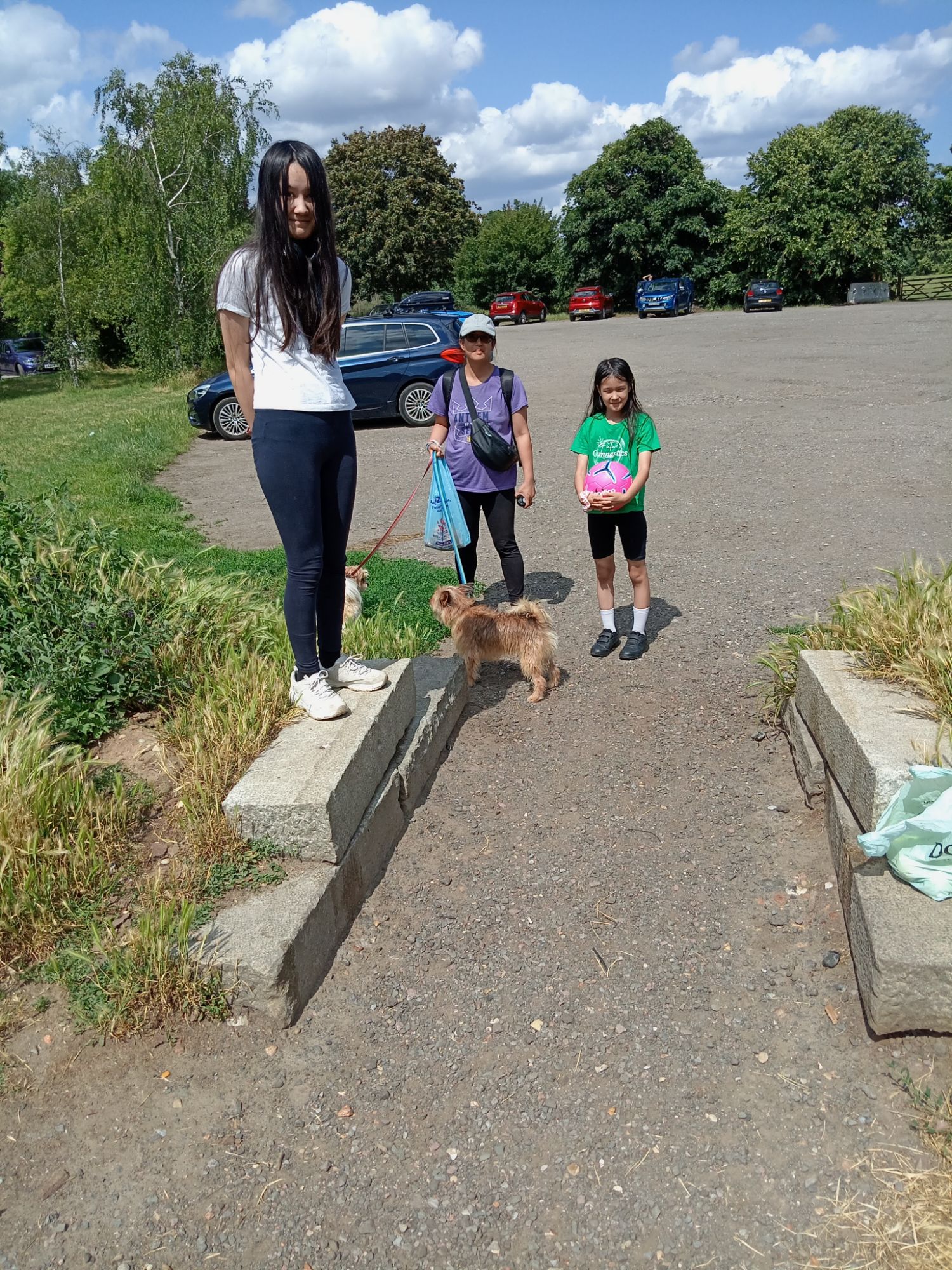
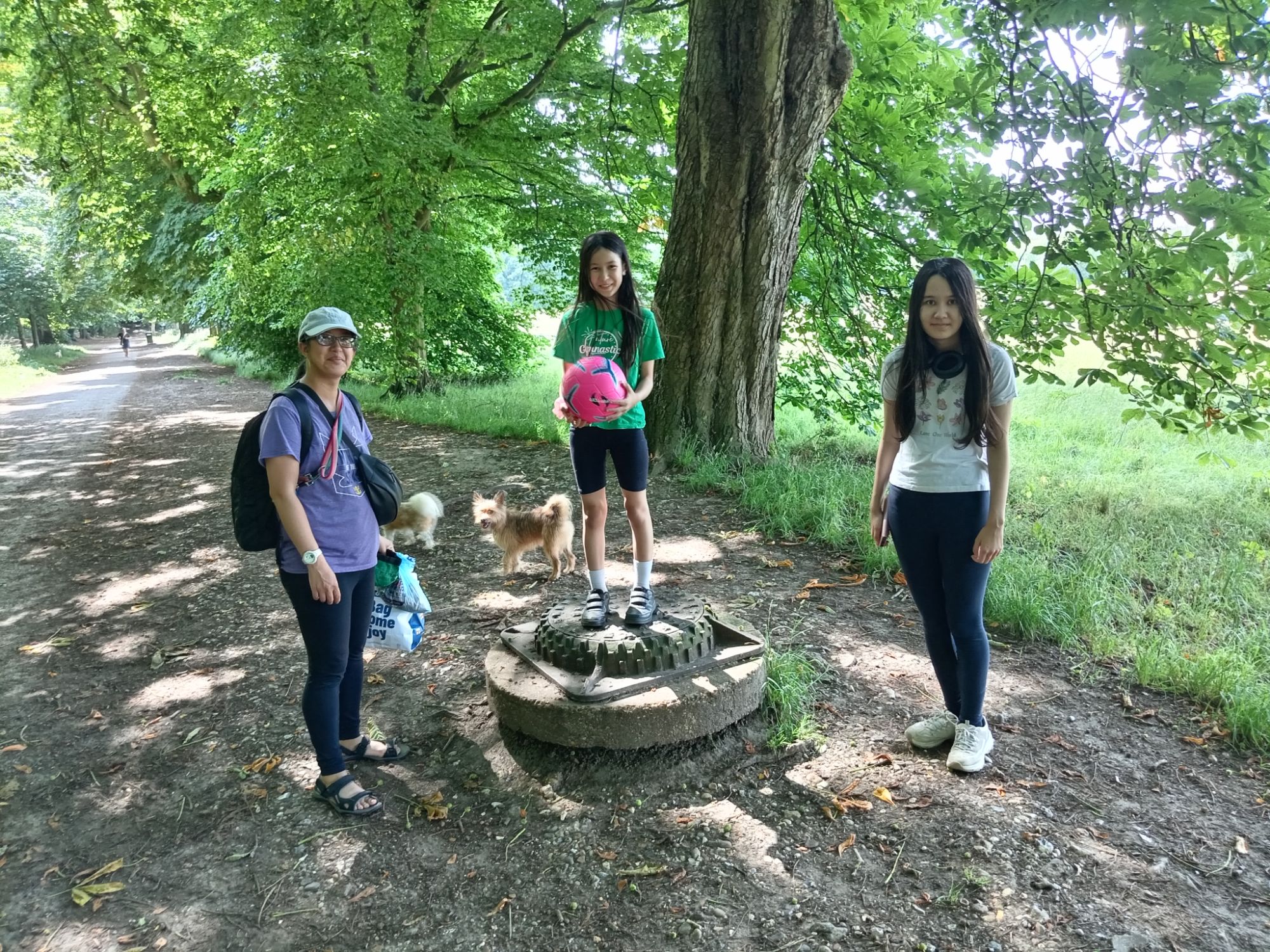
Two children, two dogs, a rucksack, vegetarian food – and a (Russian-made) fooball! Basically, we are in heaven! With temperatures around 29 degrees Celsius – it was time to get out the hot flat! Not only that, but our Malaysian Chinese neighbours – good neighbours really – are replacing their bath and toilet, with hammering beginning at 8am on a Saturday morning! There is also swaering in Cantonese about “This bloody hammer is too small – and too light!” – and so on:
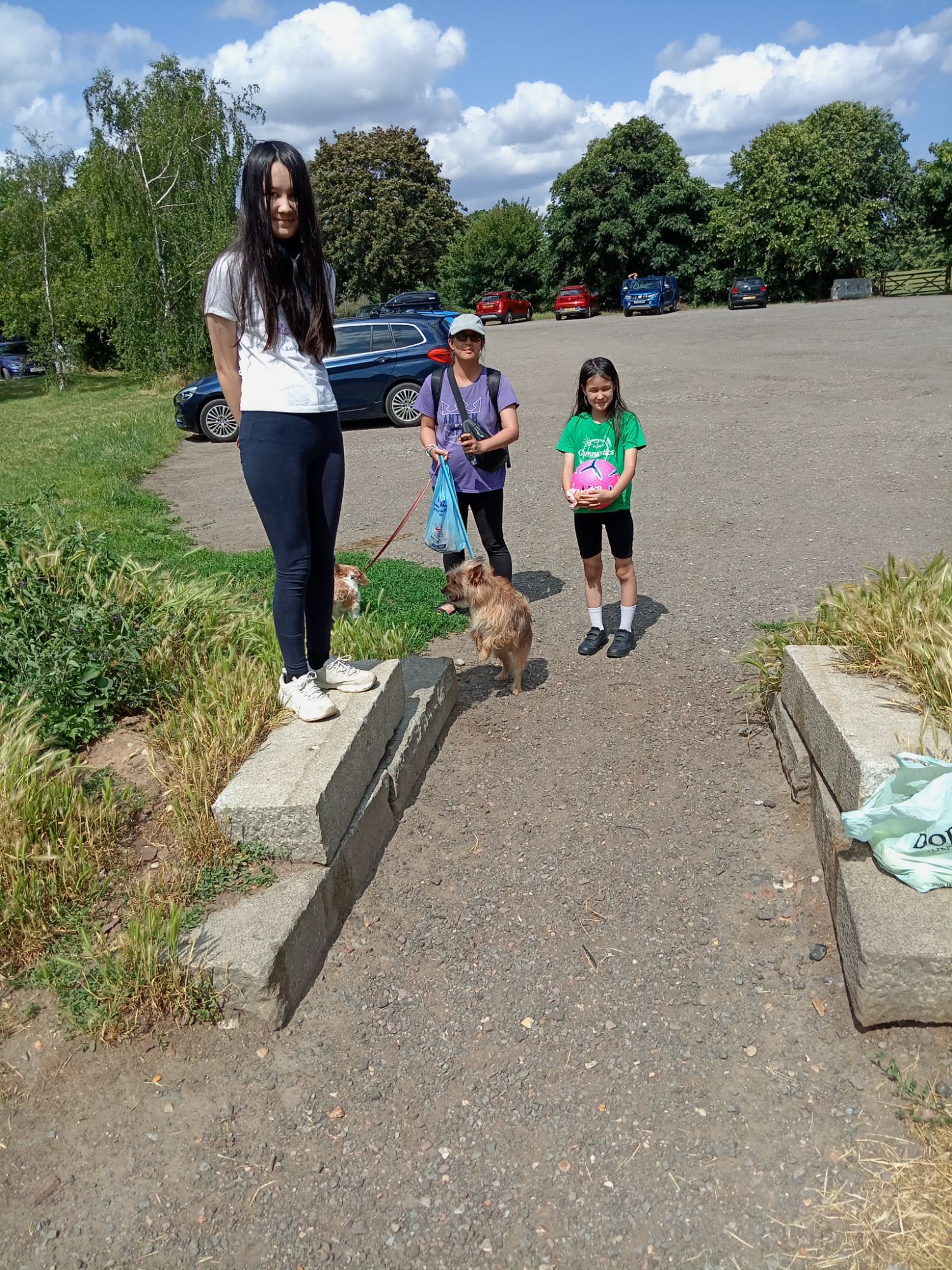
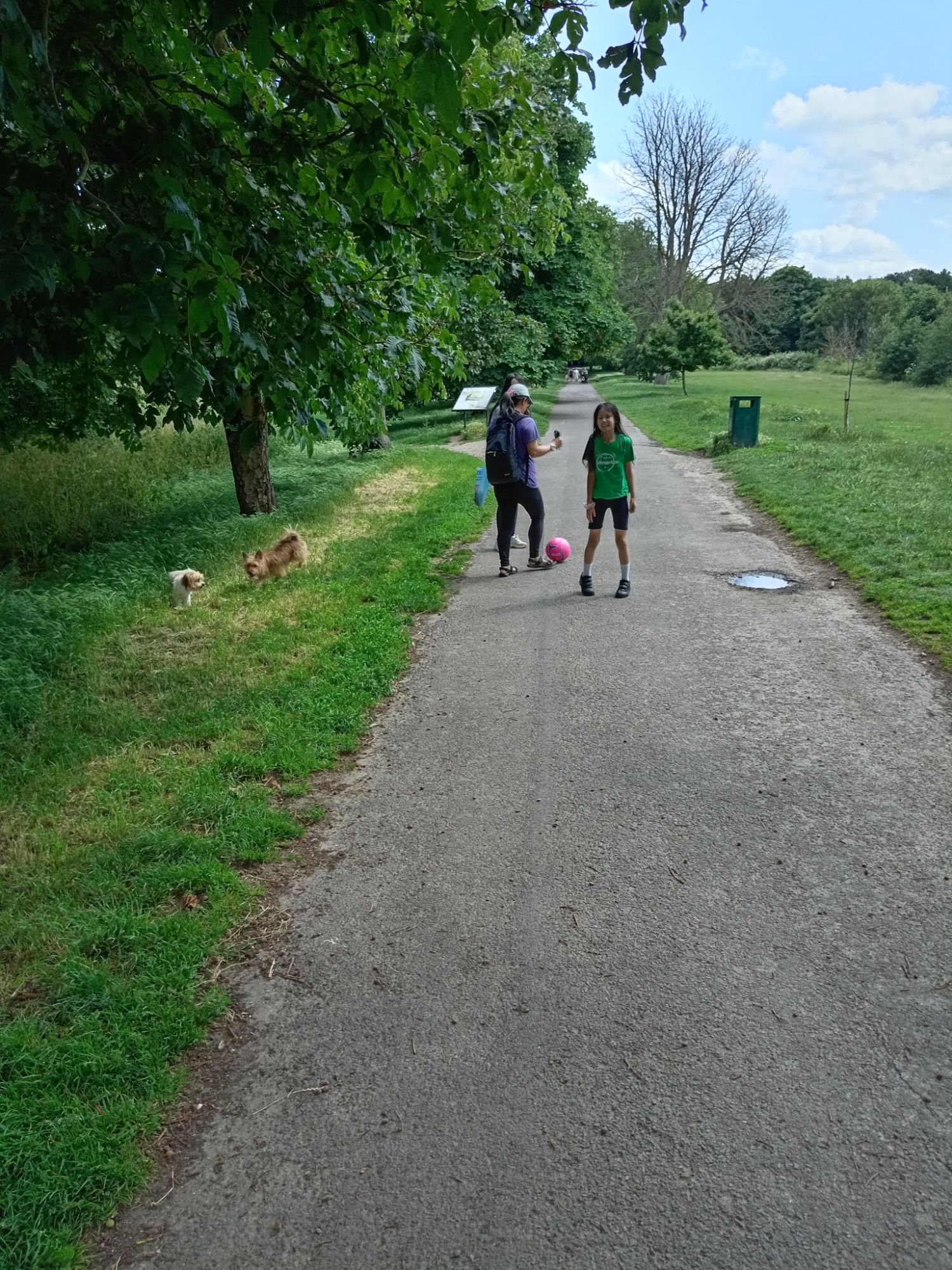
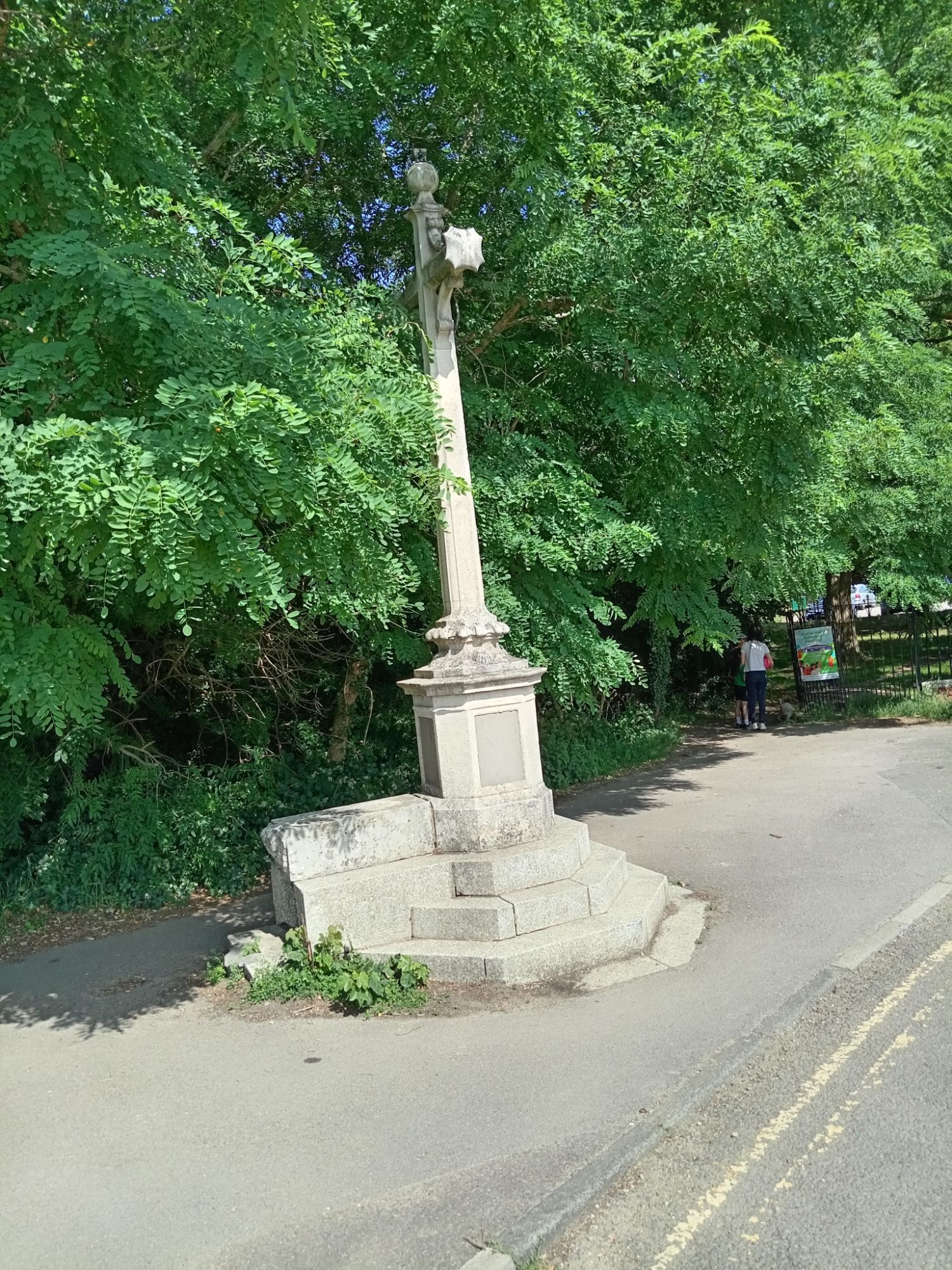
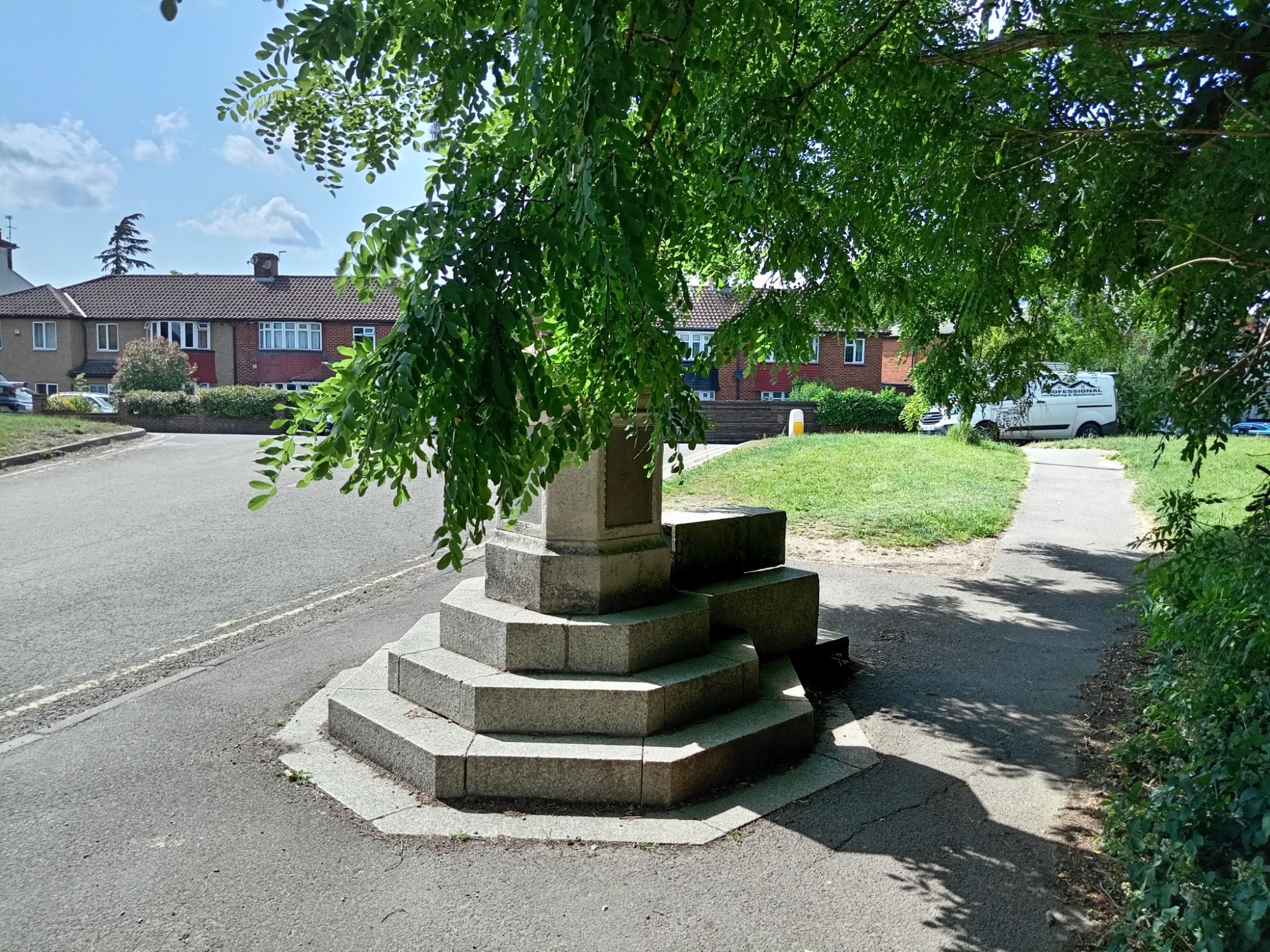
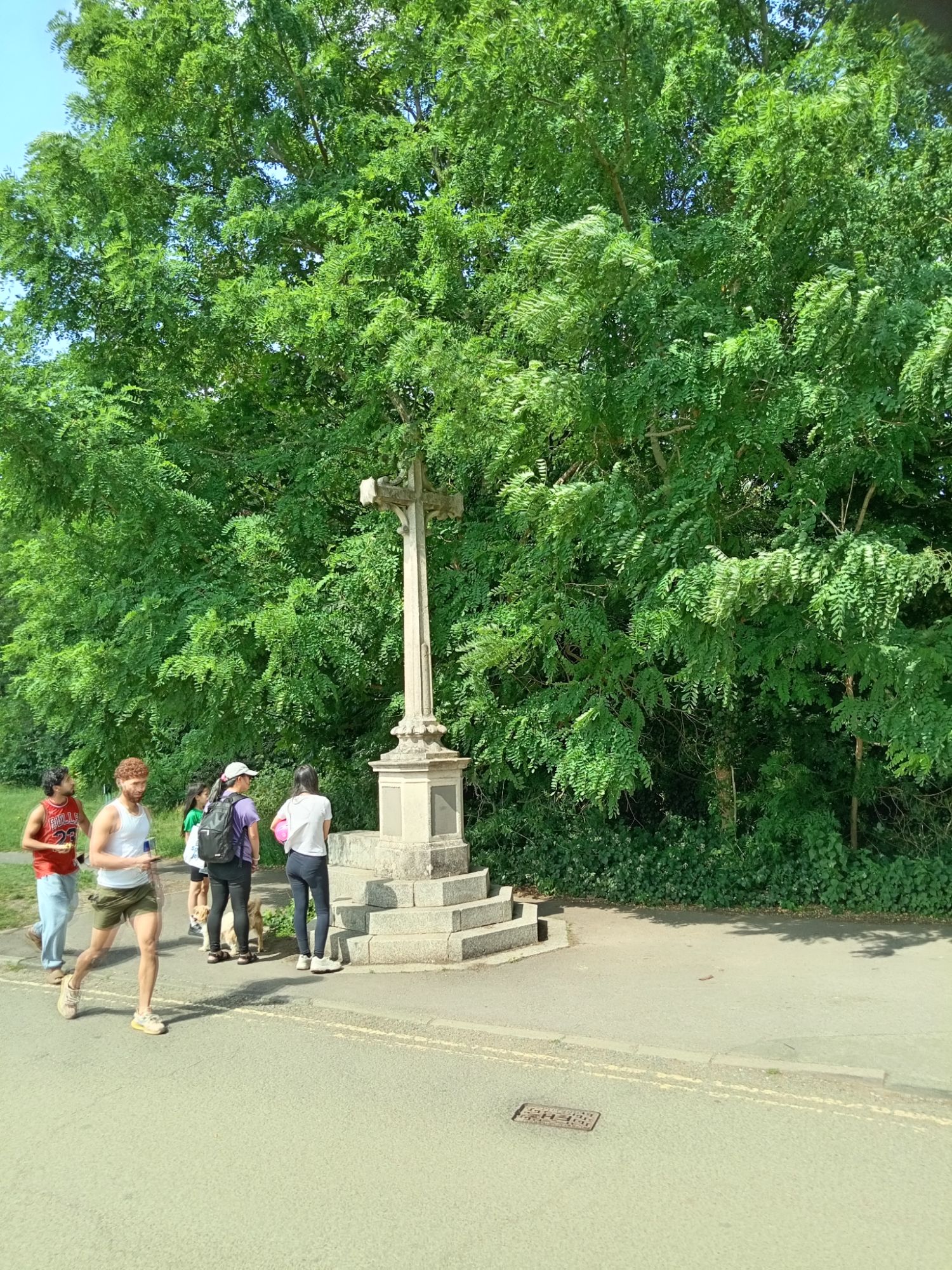
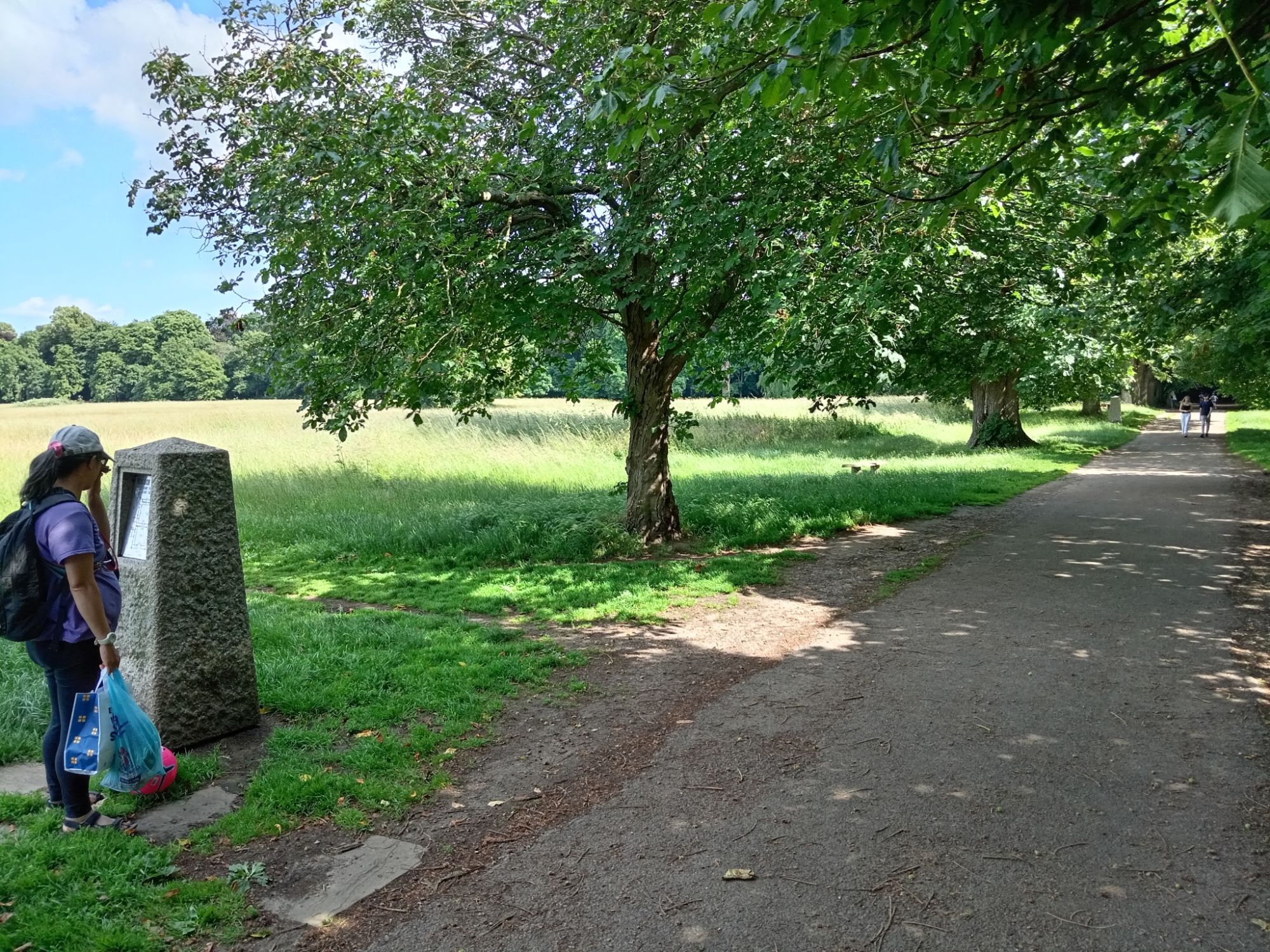
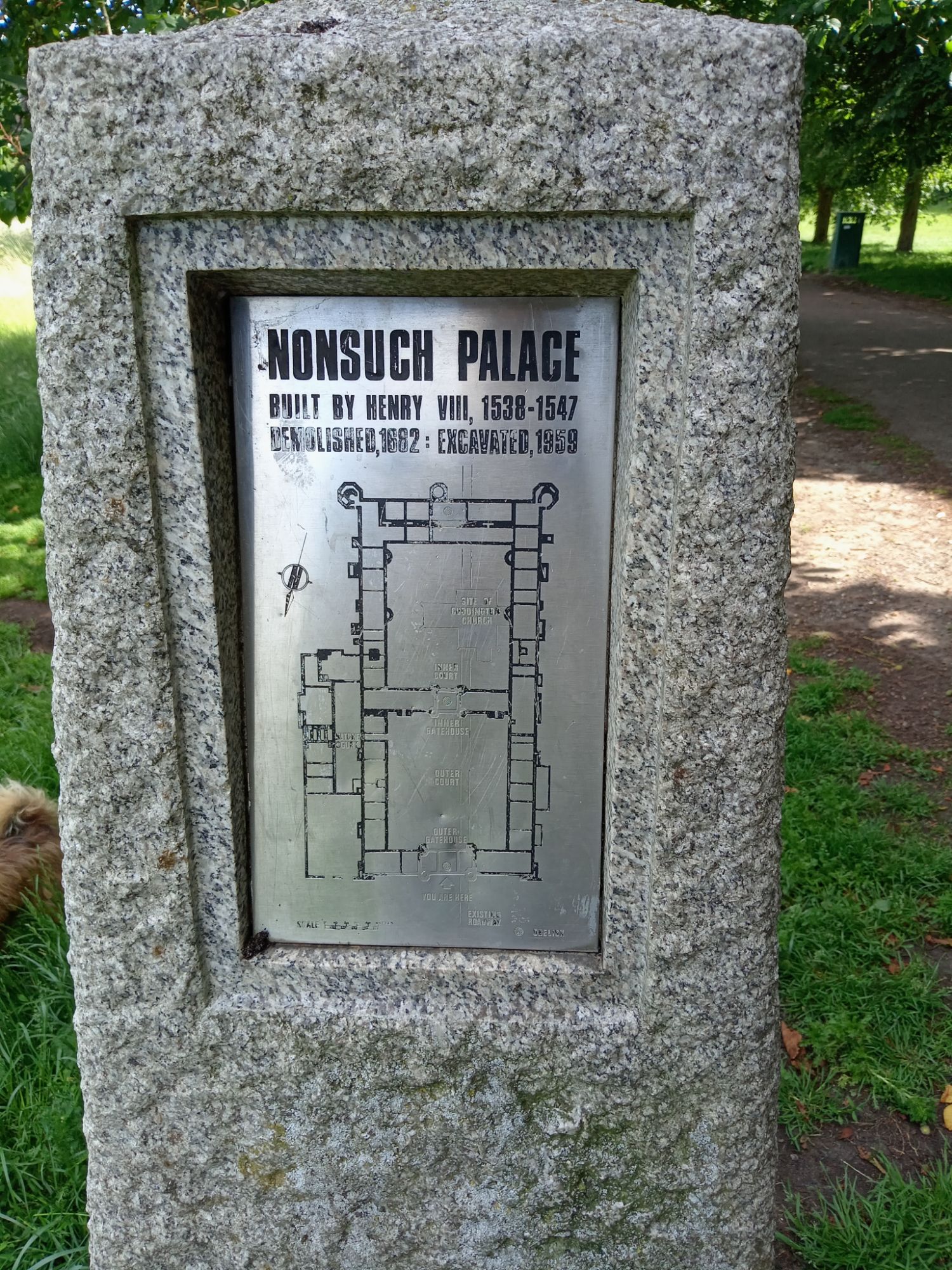
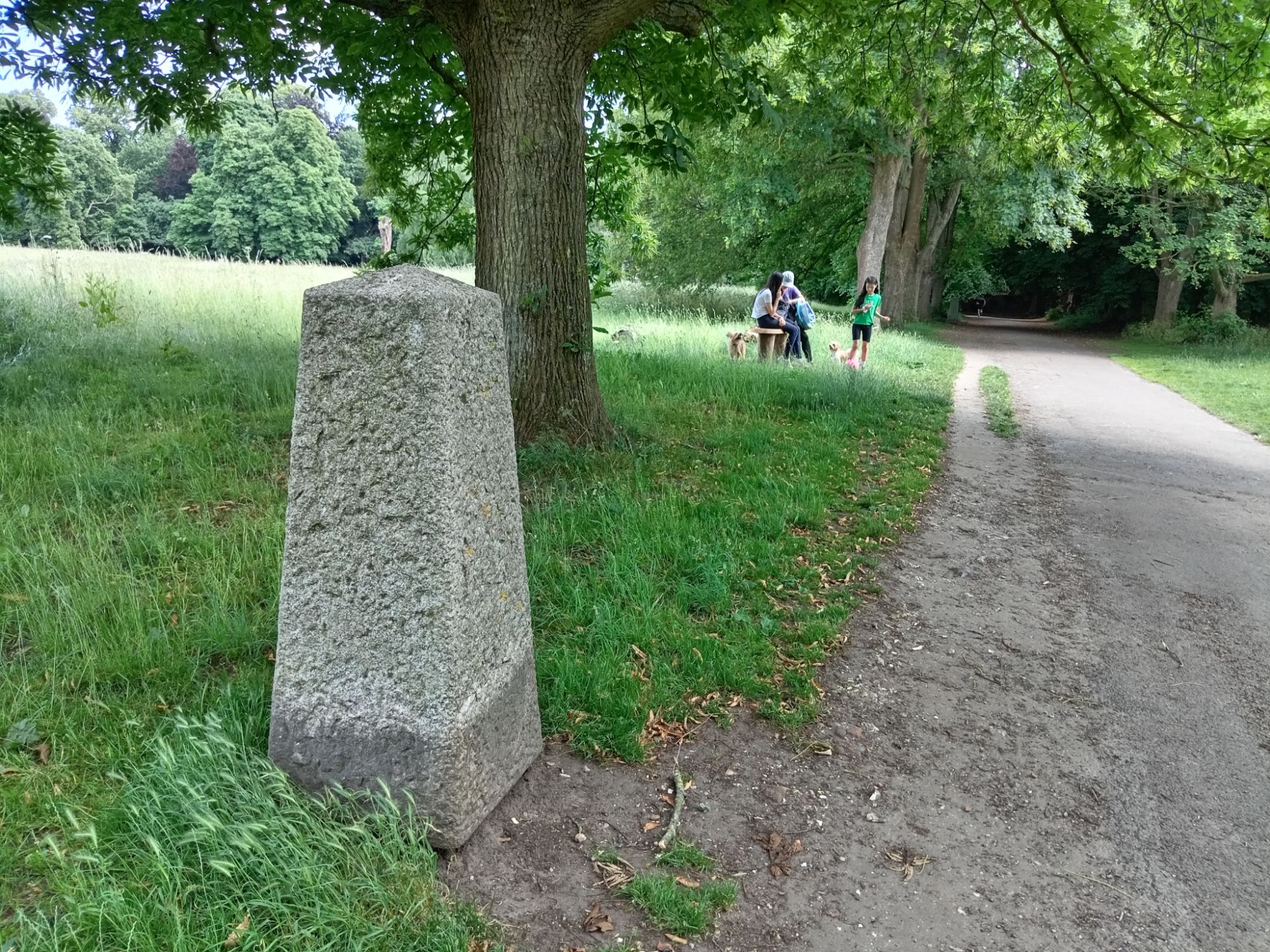
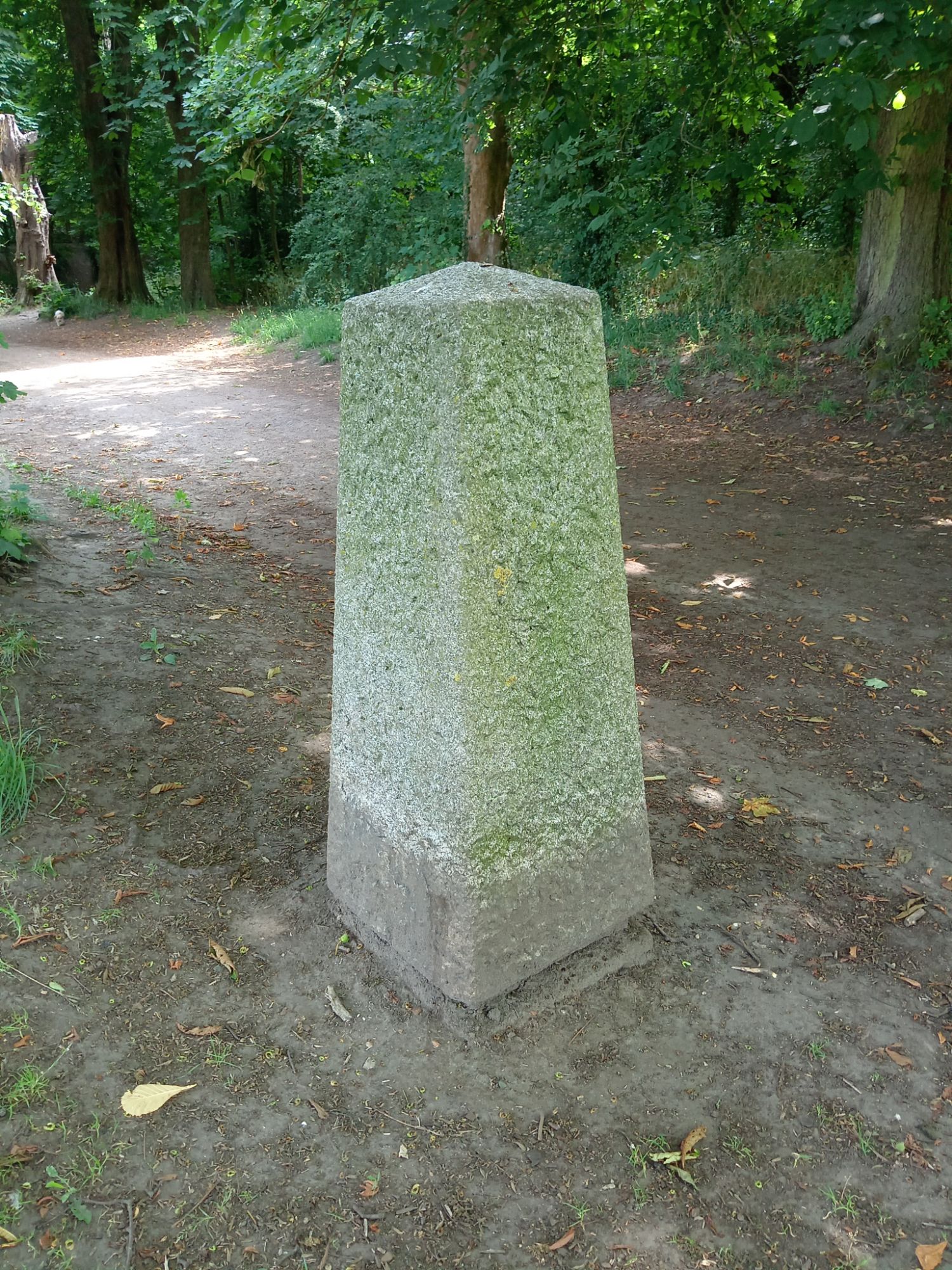
It was time to head-out to the nearby Nonsuch Park – which used to house Nonsuc Palace. This is where King Henry VIII like to visit with his wives – particuarly Ann Boleyn – who I think lived under arrest in this place. During the last years of WWII, however, Hitler’s V-2 bombs targetted Cheam and apparently hit Nonsuch Palace spot-on – destroying it completely. I have never understood why such an important building was never re-built or re-constructed – for educational reason. Today, it is just an empty park space with three obelisks standing in a row – supposedly marking the vague location of (East) Nonsuch Palace:
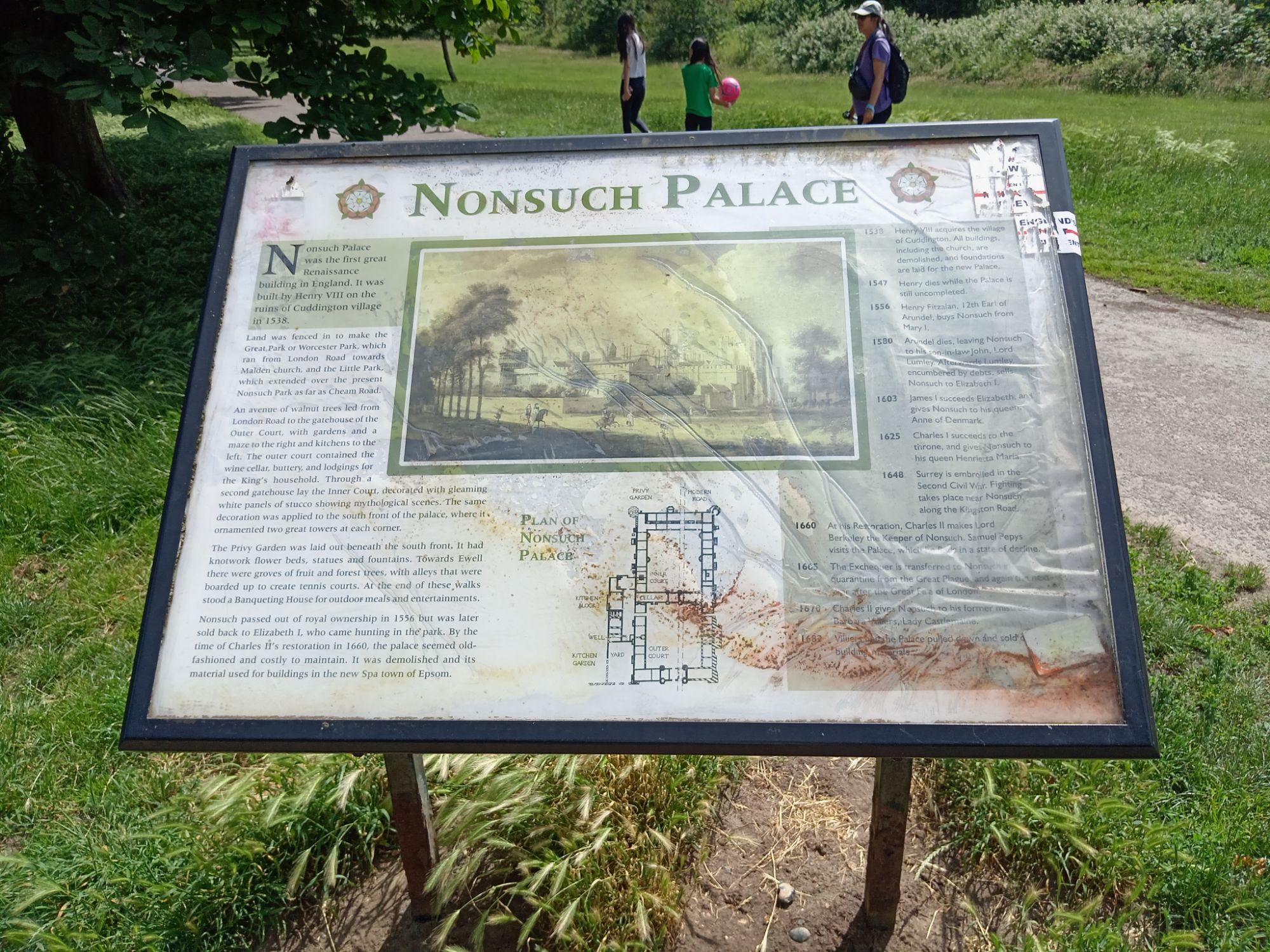
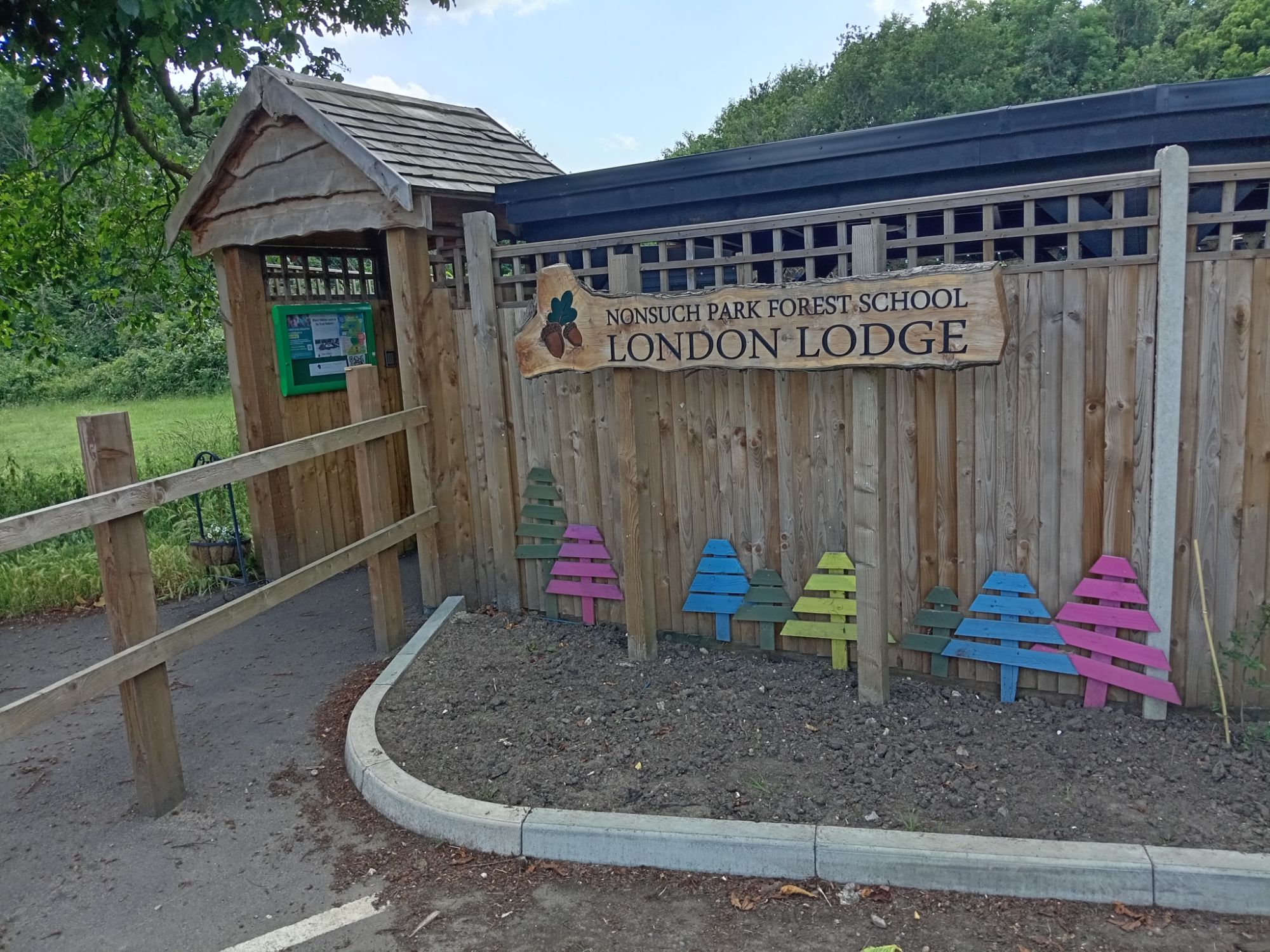
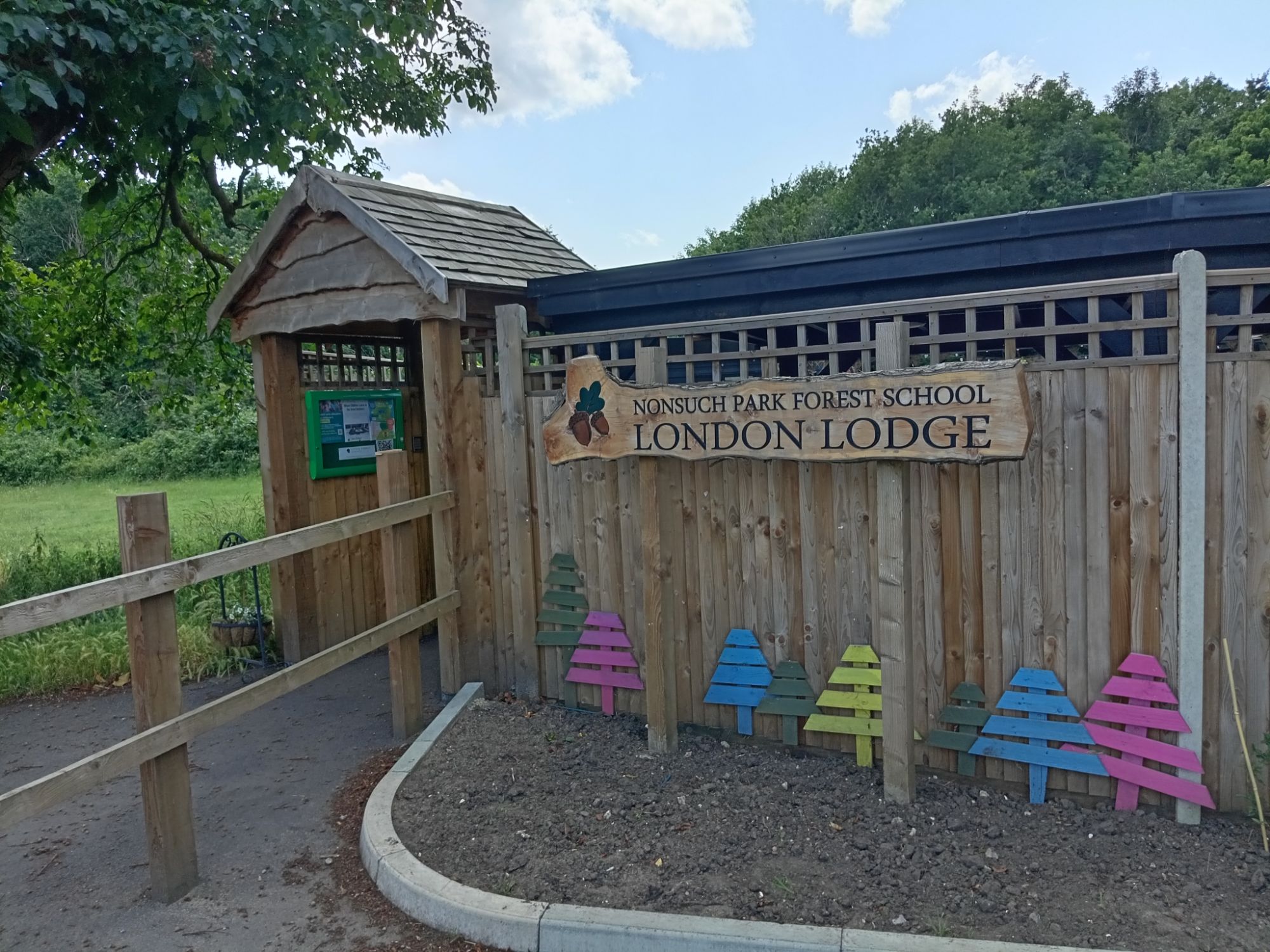
Despite living in Sutton since 1994 – and visiting this large park many times in the past (with dogs that have come and gone – RIP) – I have never been this side which is near Ewell. As a consequence, I had never seen the above sign. A number of people have asked me “where” Nonsuch Palace was – but I had no idea. I first read about it in the White House in Cheam – a white wooden building where Queen Elizabeth I and Cromwell both held court – effectively governing England from this spot but at different times in history. There was also a “Sutton Palace” that no longer exists. Again, I have no idea where it was. This area used to be owned by the Catholic Church (acting fom Westminster Abbey) – with local monks famous for making plates and cups from the local clay that can still be found in the mud. Following the 1536 Act of Supremacy – Henry VIII declared himself the sole ruling monarch in England and Dissolved the Monasteries – thus expelling the Catholic Church by crushing its greed-orientated monastic orders. Henry also abolished feudal fiefdoms and had all private armies disbanded. Tens of thousands of men were made unemployed, destitute and poverty stricken – without even the monasteries being able to dole-out food and water. Henry’s answer was to hang 75,000 former serfs from the trees lining all the roads and lanes of England as a warning.
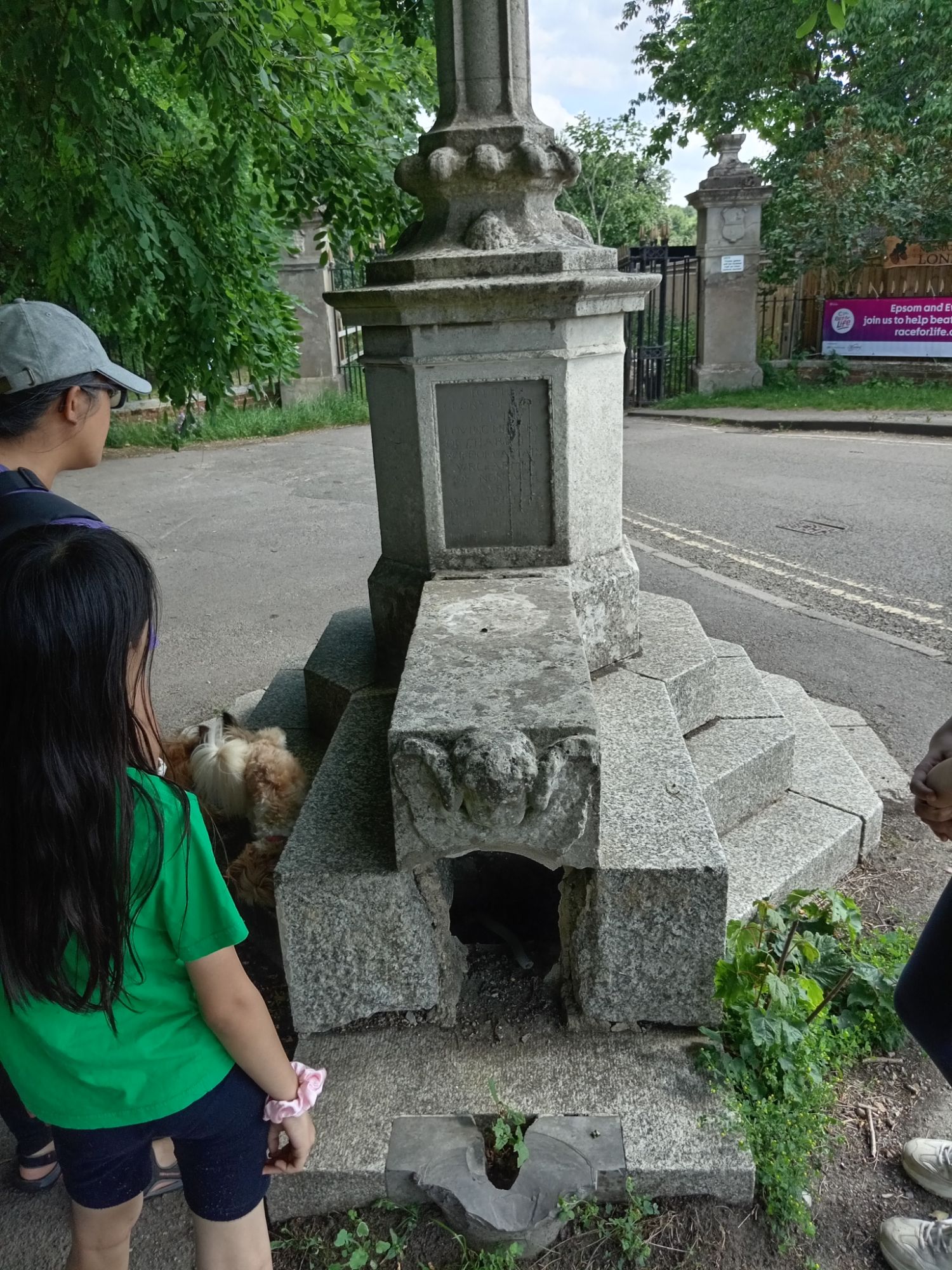
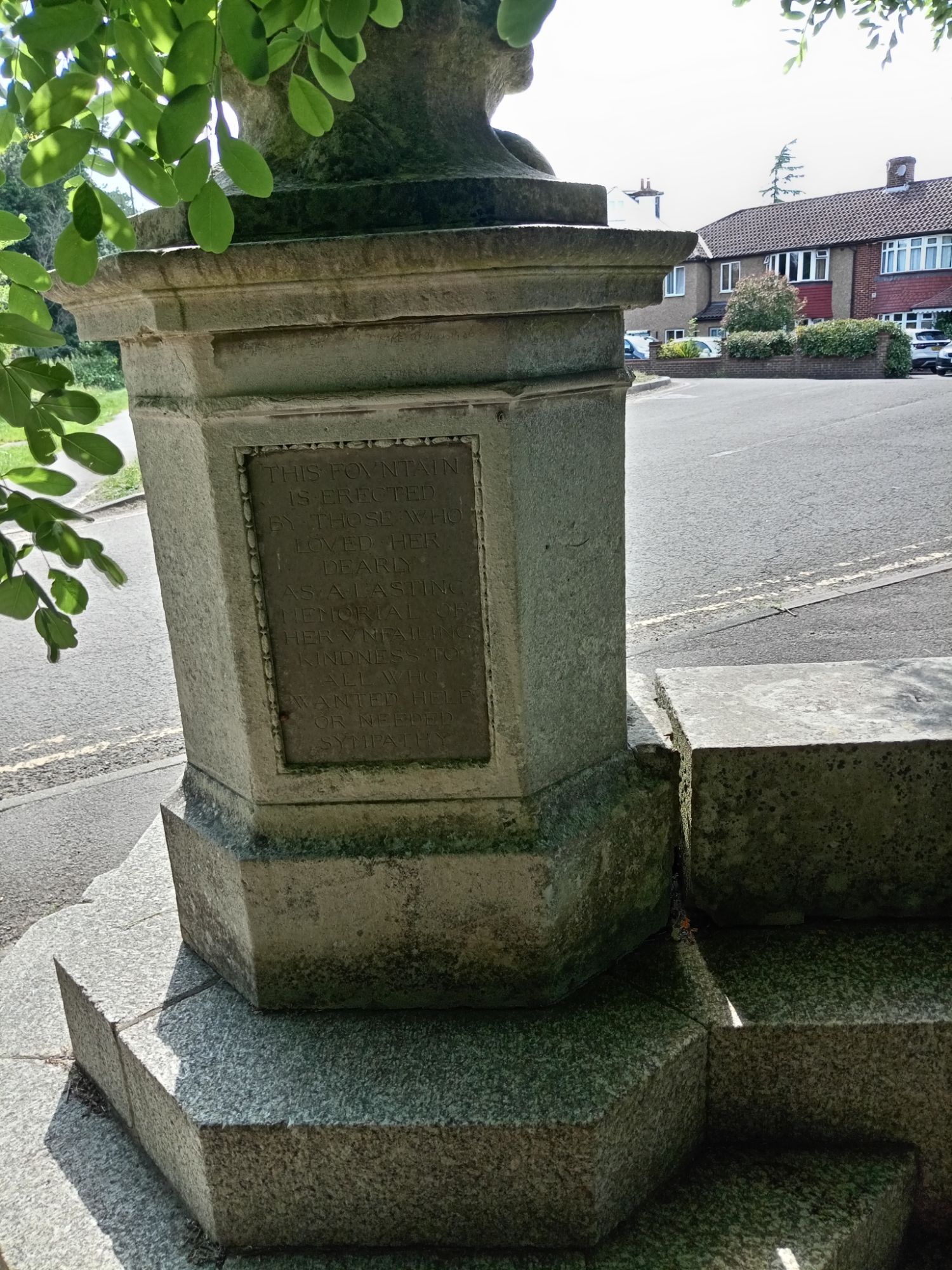
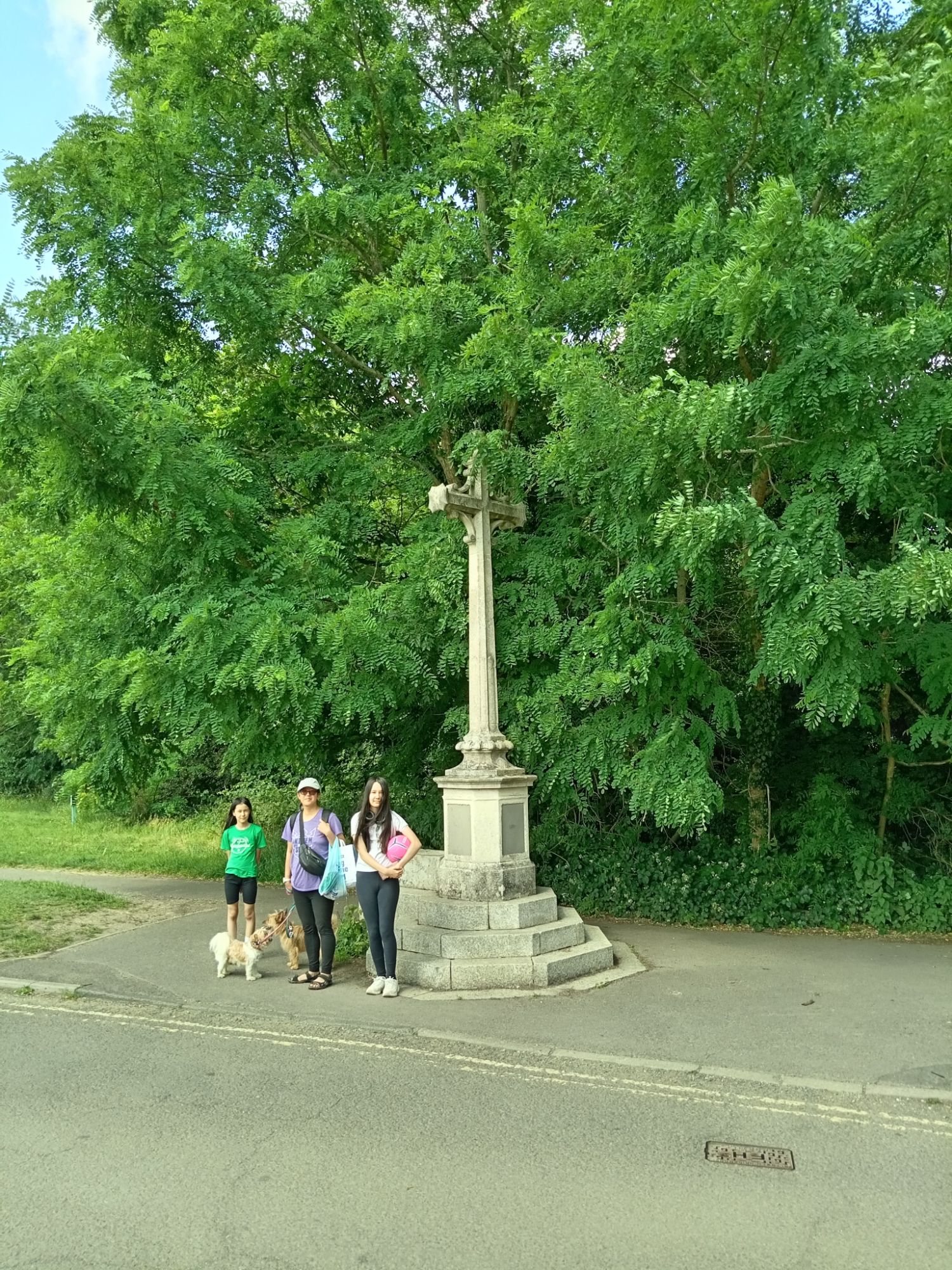
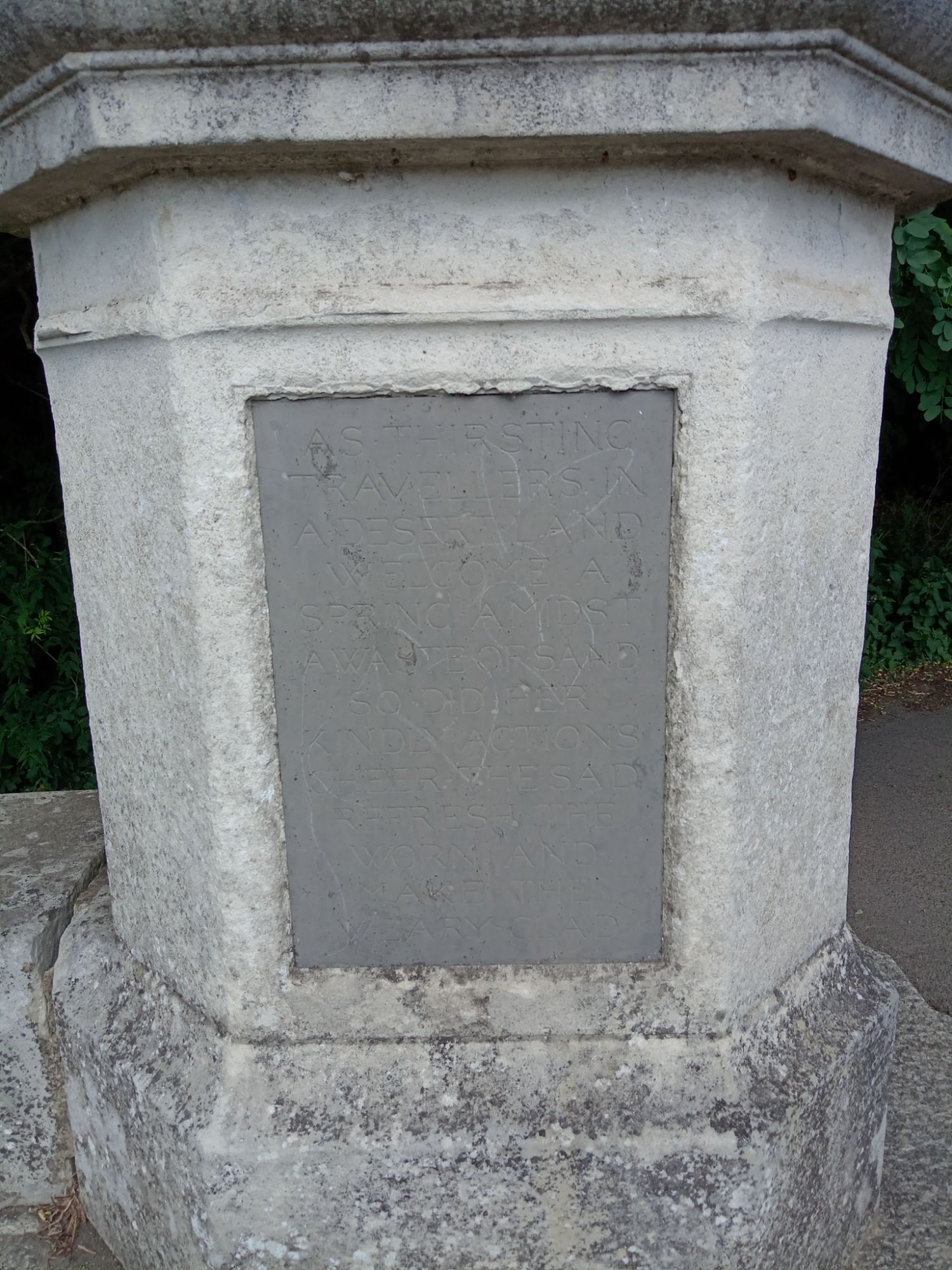
From then on, the former serfs were not allowed to work for a lord in return for clothing, food, and housing as pay. In times of war – these men were oligued to fight and die for their lord – but Henry wanted to have only one army in England – a loyal army only he controlled. Everyone else had to seek “paid” – which was an oddity at the time for the masses. The wealth seized from the monasteries was so great that it formed the bases of the first modern (capitalist) economy of England. Prior to this, the faithful gave huge sums of money to the monasteries to guarantee the well-being of their dead relatives in heaven. As these monastic orders were sworn to poverty, the basements and cellars were crammed with all sorts of gems, precious metal, coinage, and other valuables. The Catholic Church in Rome allowed a very small part of this wealth to fund the monasteries – and took a certain percentage for itself – but the amounts were so substantial that the Pope, if he so chose to do so, could easily use the local funds accumulated in monasteries and churches to raise an army and overthrow the indigenous monarch and his supporters. Usually, just a well-placed bribe was needed to alter the cause of events in the Pope’s favour. I suspect much of Henry VIII’s scheming happened when he was relaxing in the privacy of Nonsuch Palace. He effectively created the conditions that led to modern Britain.
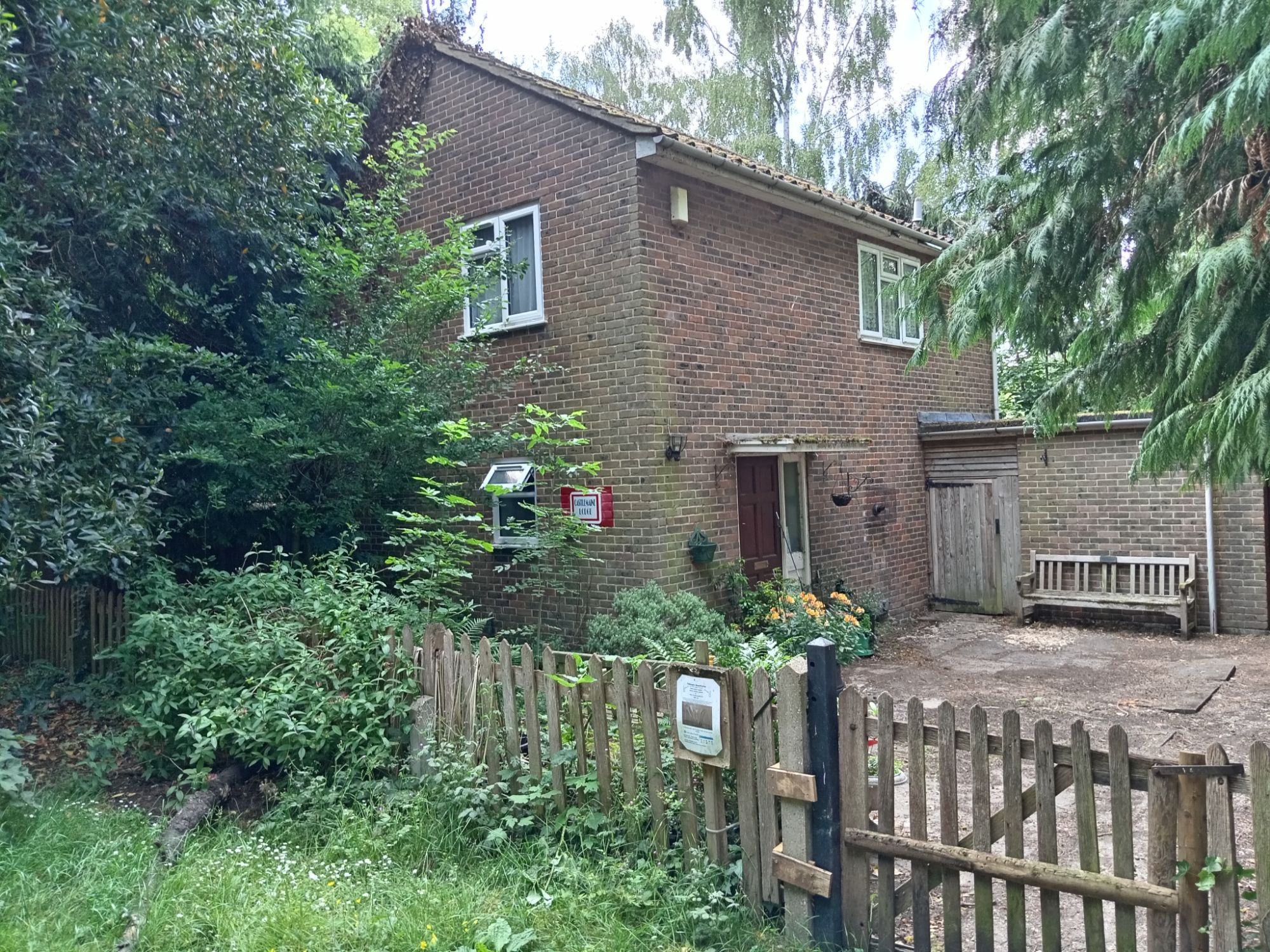
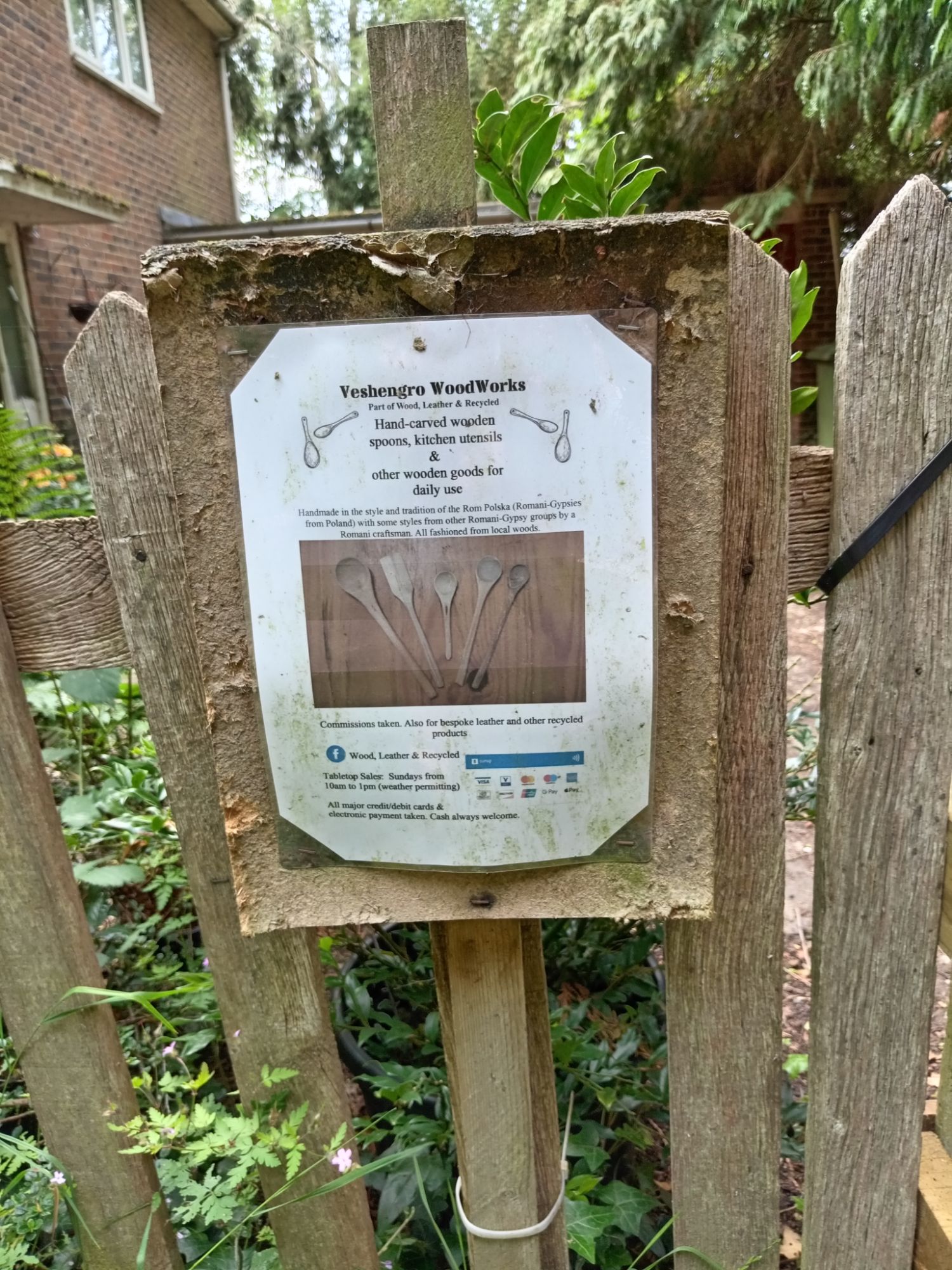
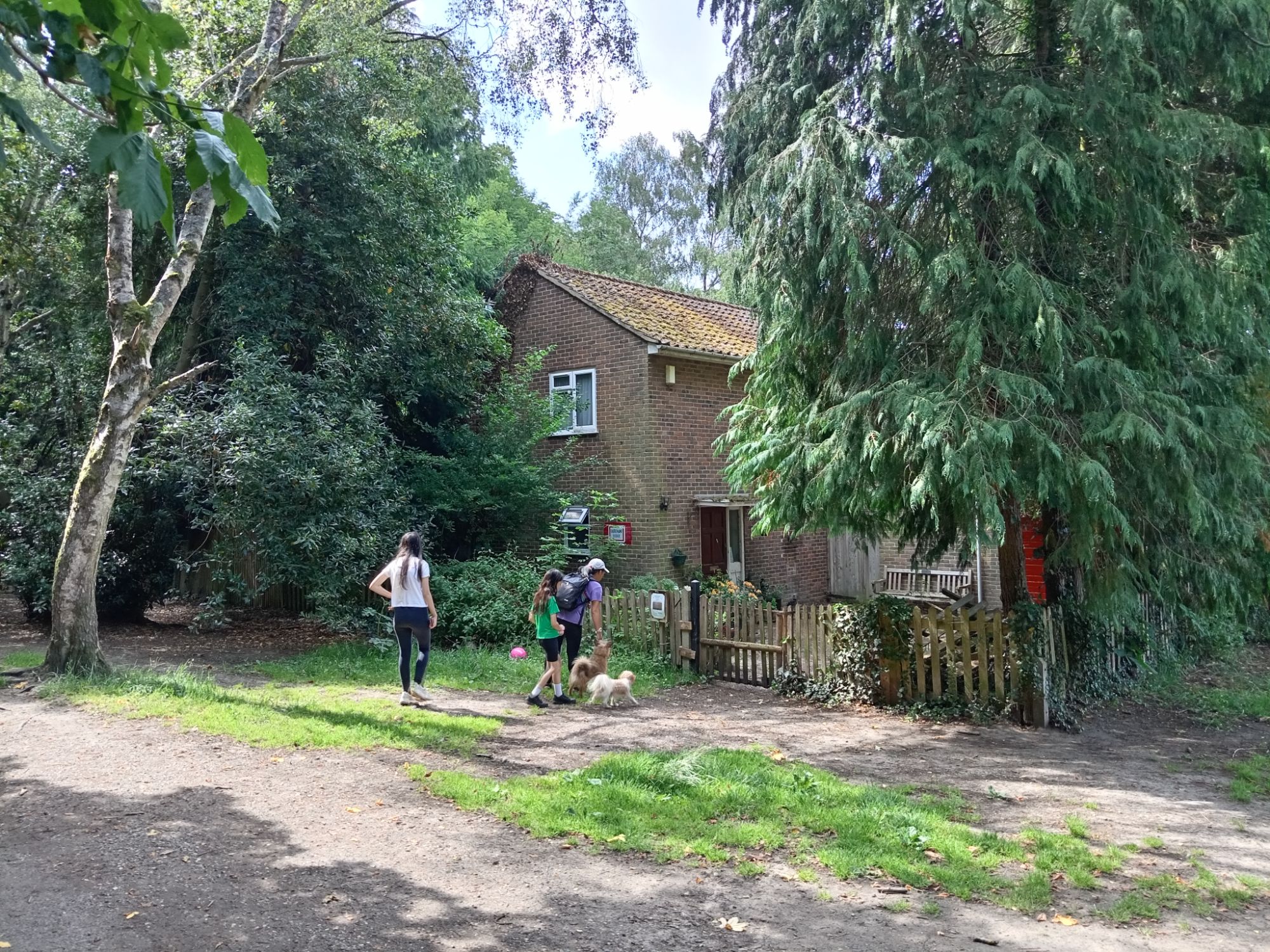
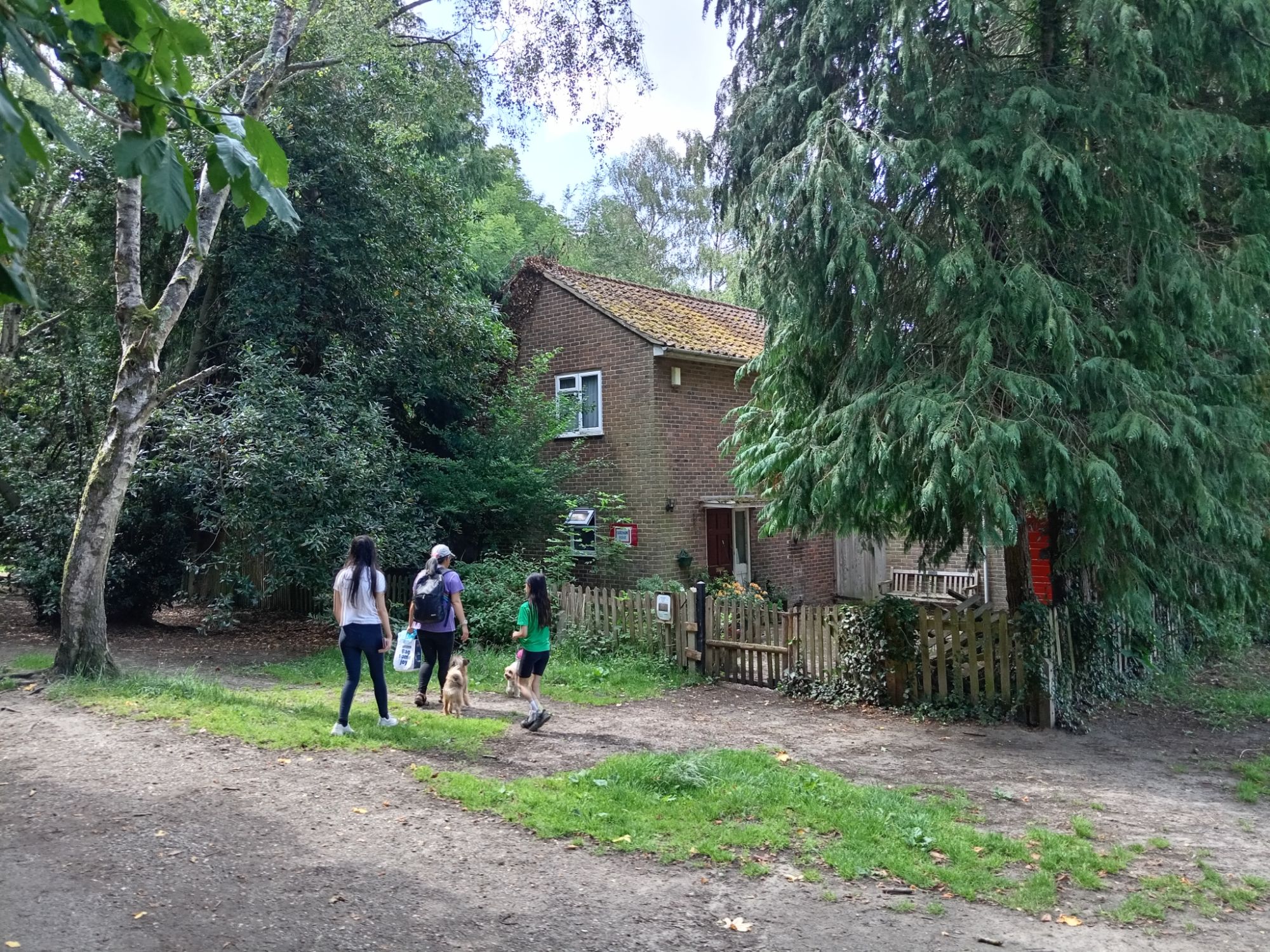
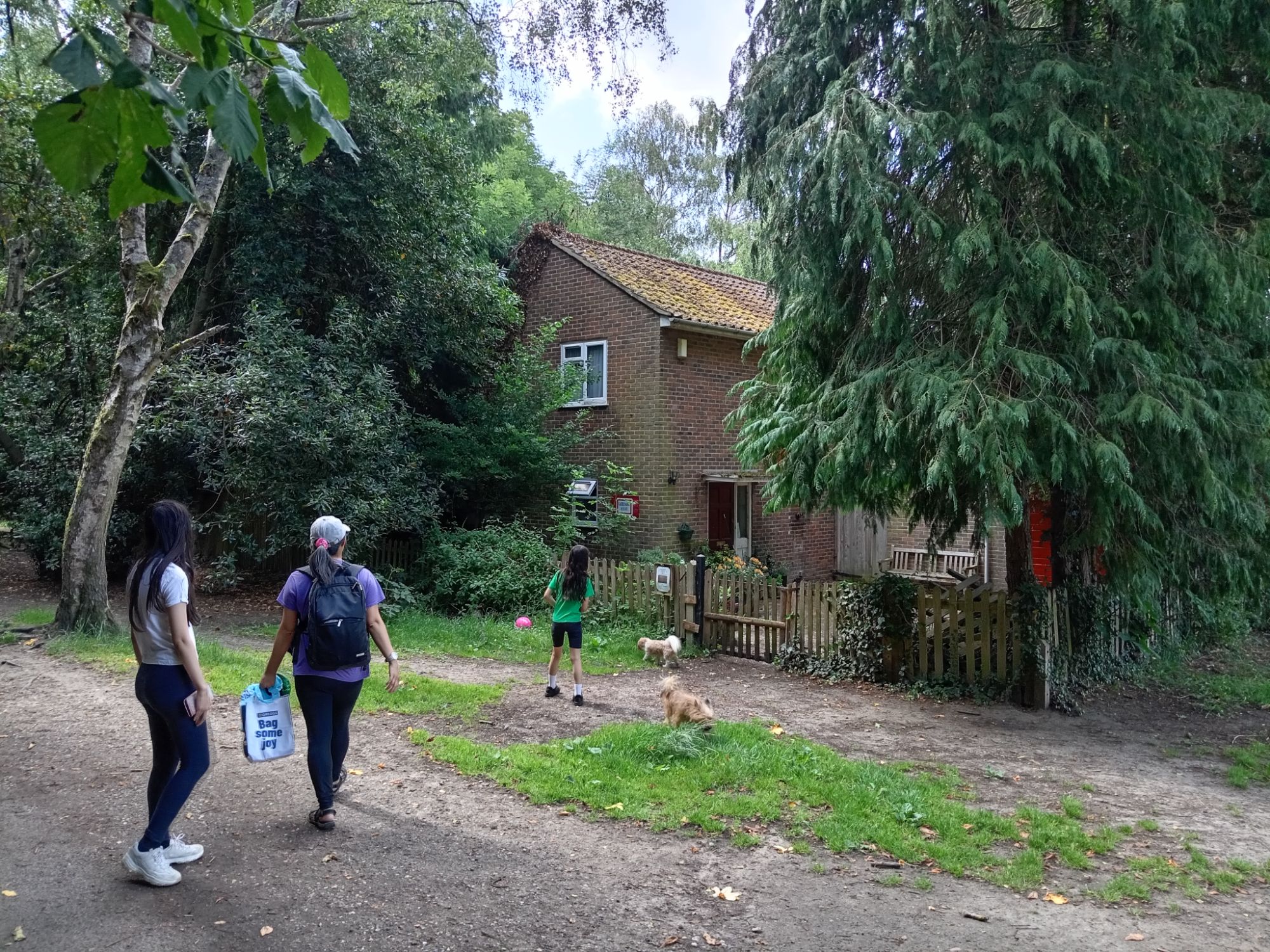
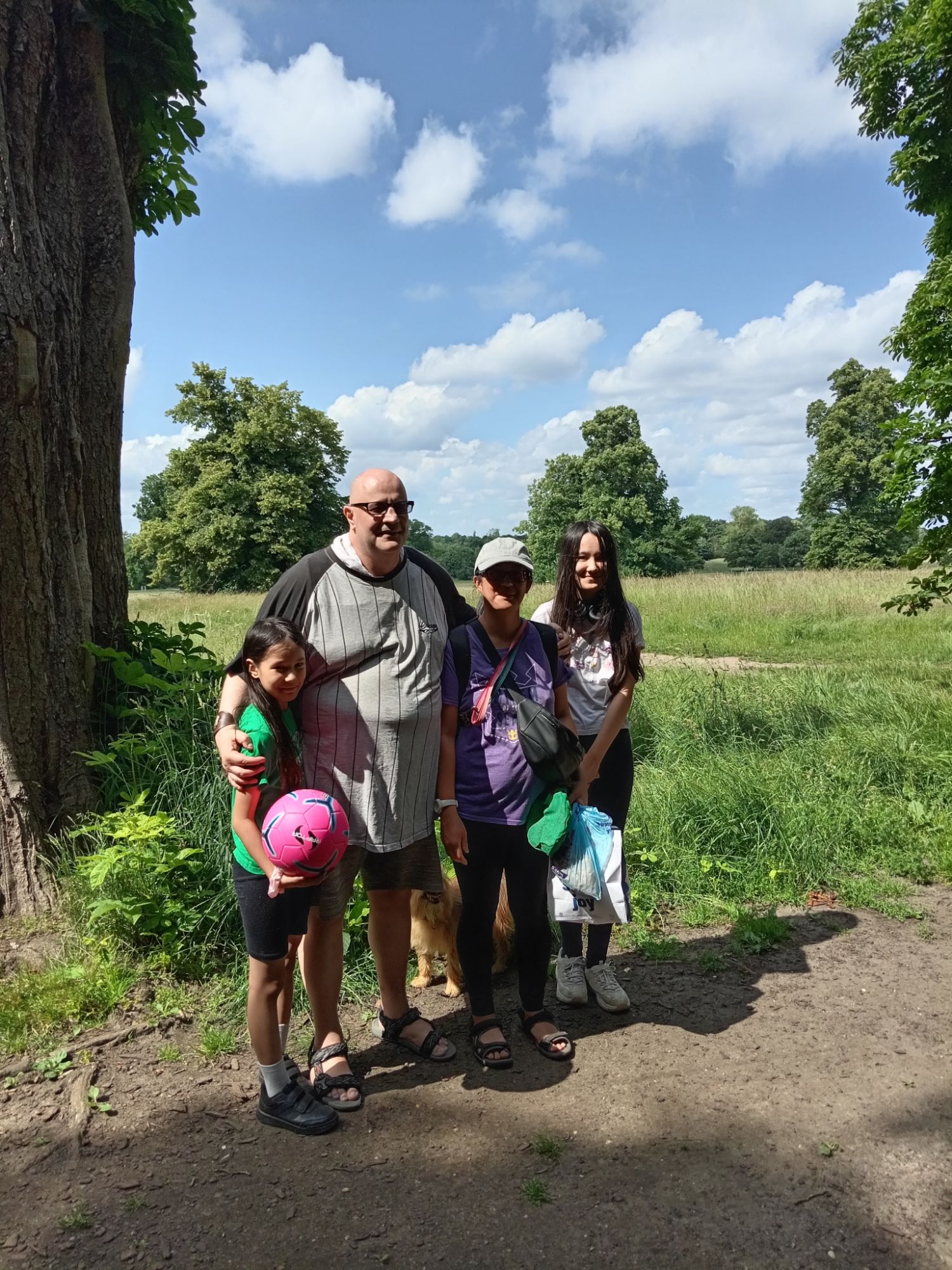
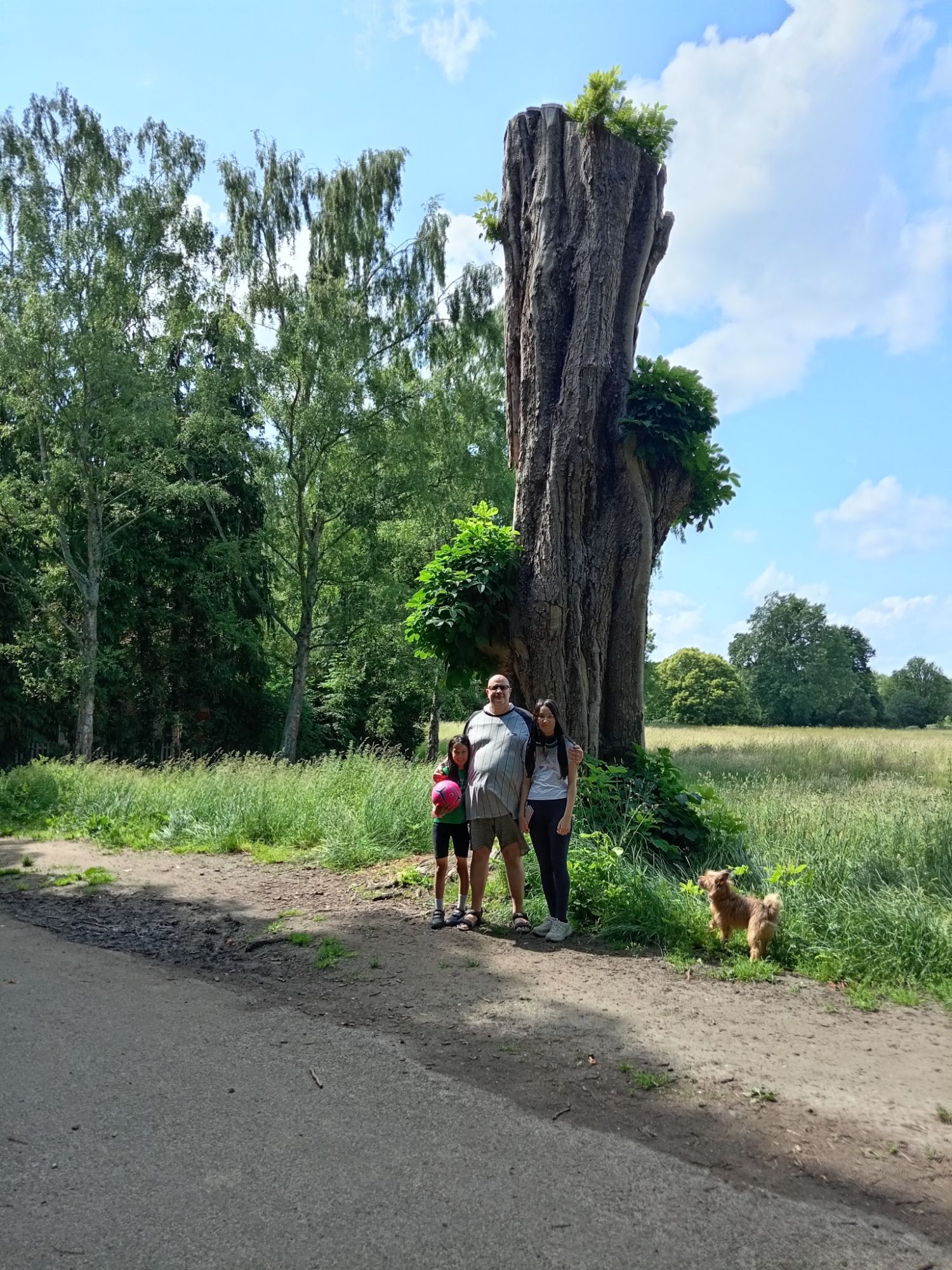
There is an irony to it all. Although Henry was acting to empower his own position, and in so doing strengthen the English crown, by creating a capitalist economy premised upon trade, profit, and individualistic employment, (we are forced to earn profit to “pay” to keep the inequalities and injustices of the capitalist system at a distance) – he inadvertently and simultaneously generated the conditions that led to enriched peasants who specialised in the “trade” of linking the aristocracy to the rare and precious goods they craved and desired. These “merchants” (burghers) were wealthy citizens living in towns and cities who could mimmick the aristocracy by dressing like them, sending their children to the same schools, and standing for Parliament. Eventually, so many were elected and empowered in this way (forming a new “middle class” termed the “bourgeoise”) that they raised an army, defeated and beheaded the King (Charles I) – and abolished the very institute of absolute monarchy that Henry thought he was saving.
 SANGHA KOMMUNE (SSR)