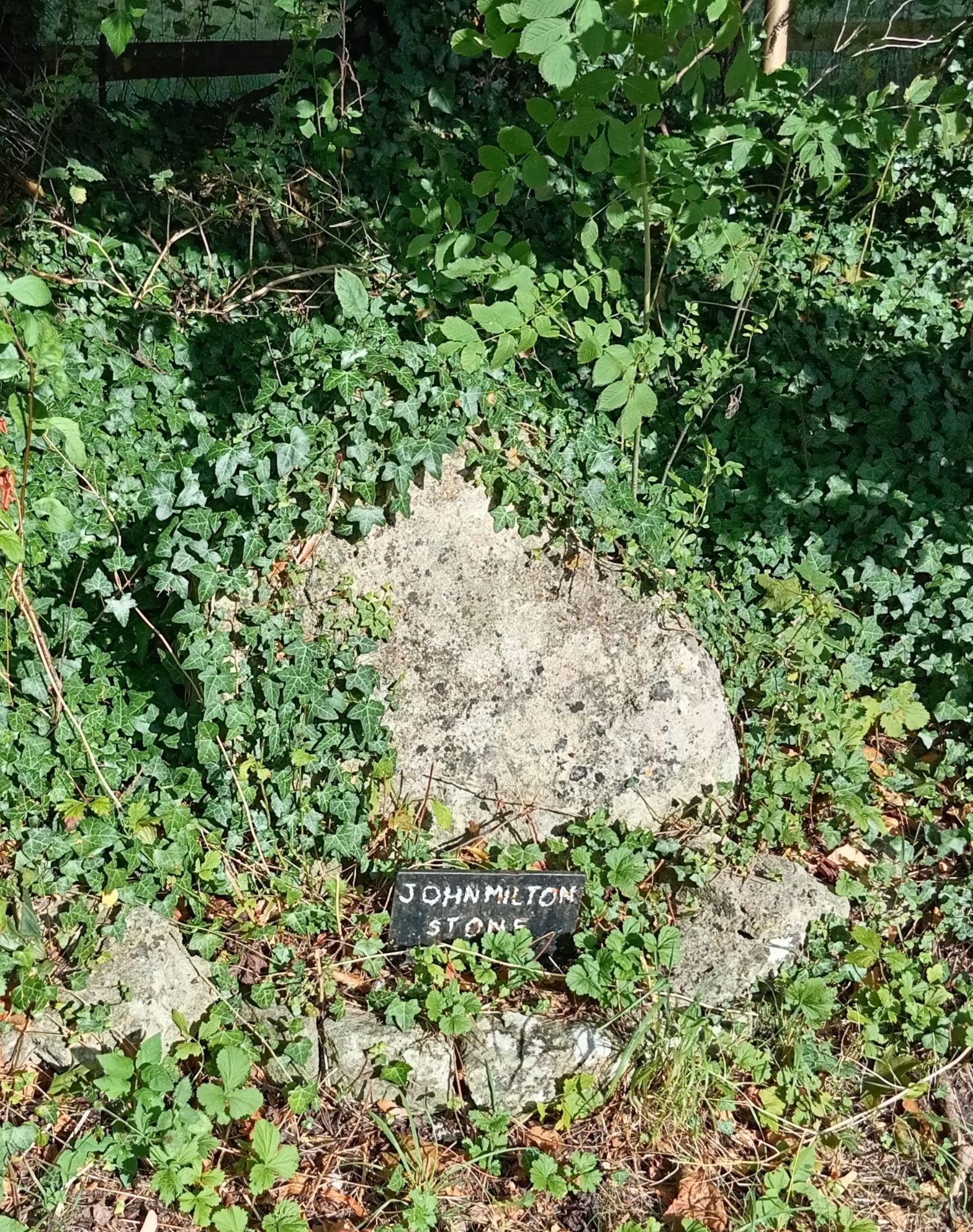
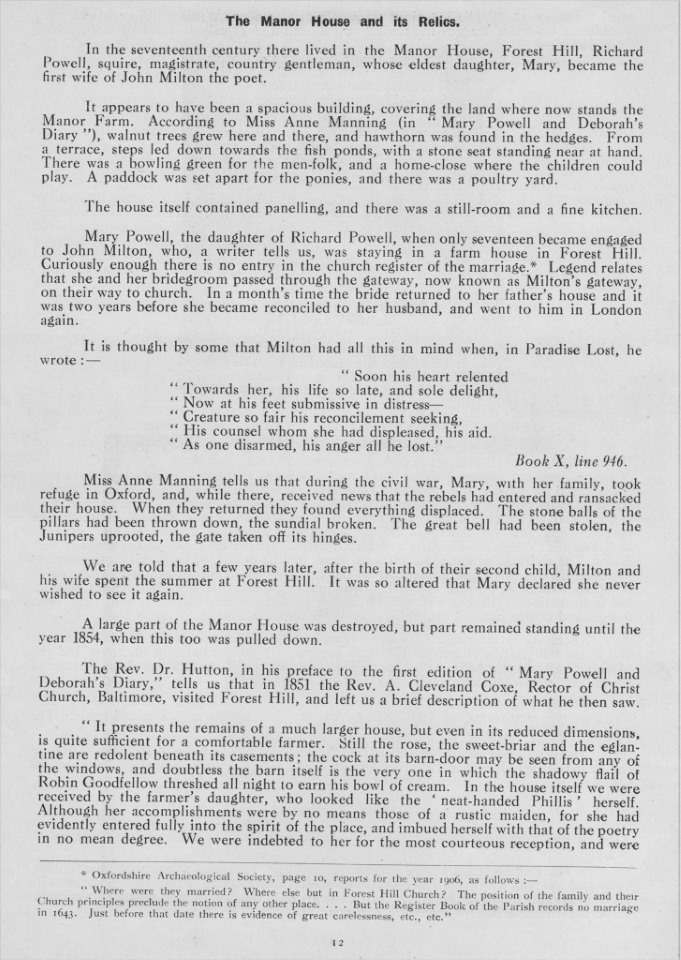
Author’s Note: When exploring the British urban, suburban and countryside areas, Gee, myself, and the children have often encountered odd brick structures consisting of a few steps leading up to a narrow platform – with the platform usually situated around two or three feet above the ground. I used to think that perhaps a house, barn, or some other building used to be present – but now I am reliably informed that during the era of horse-riding – which spanned many centuries – these structures of convenience were to be found everywhere throughout the UK! These structures were known as “Mounting Stones” – and used by individuals to get-on and get-off their horses and ponies (i.e. their “mounts”). The example in this picture did not utilise “steps” – but formed a high platform by being placed on a roadside “bank” or “verge” – although history seems to suggest it was originally positioned on the opposite side of the road – outside the main-gate of “Manor Farm House” – a place that John Milton and his wife used to live-in and own. I suspect that during the “Puritan” Republic (1649-1660) smoking might have been prohibited inside dwellings – (this assumption needs to be checked). What is known is that John Milton was not allowed to smoke inside the farm house and would instead sit on this “Mounting Stone” (situated outside his farm-gate) to smoke his pipe – once outside. I was born in Oxford and lived in Forest Hill for a year or two as a baby – but my mother (Diane Wyles) was born in the area and has carried-out important research regarding this subject – included in this article. ACW (30.8.2024)

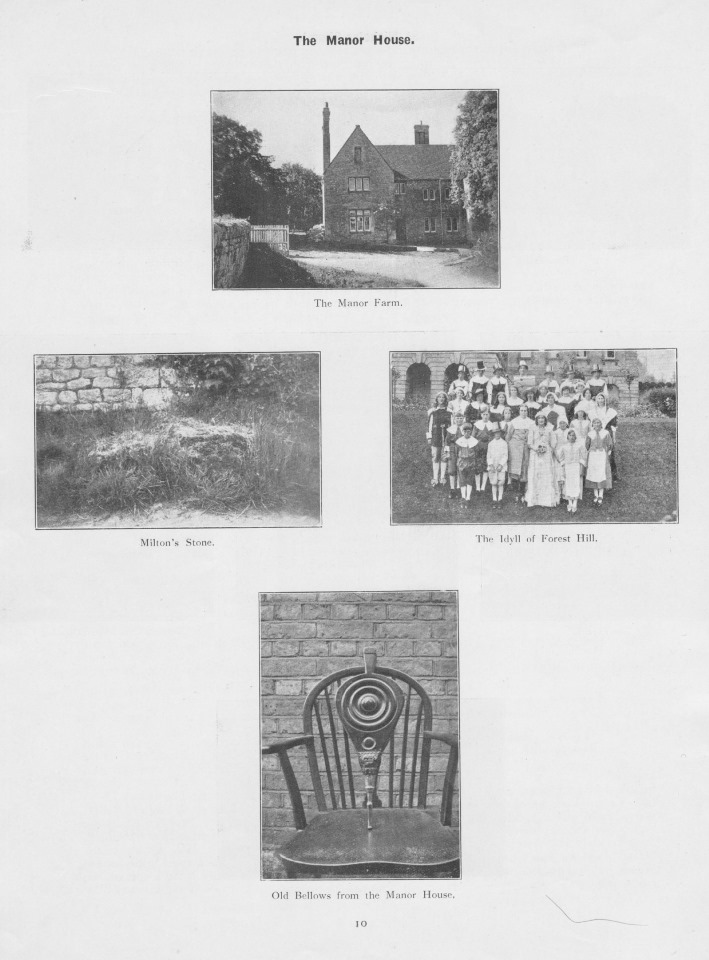
My mother – Diane Wyles – was born and brought up in the village of Forest Hill – Oxford. She left Oxford in the late 1960s – but remembers walking past John Milton’s Stone nearly everyday of her young life as she walked to the end of the village to go to school and to catch the bus. The stone used be “flat” in its original position and formed something of a raised platform. Indeed, Oxford Council only seems to have stood the stone up on its side at some point after the year 2000!
Prior to this the stone was always “flat” when my mother used to visit her parents and childhood home. We arrived in Oxford today after visiting nearby Stow on the Wold – and after visiting “Milton Crescent” (our former home after being bombed-out of Lewisham in 1941) – we slowly made our way down to Milton’s Stone guided by the GPS and my mother on the telephone!


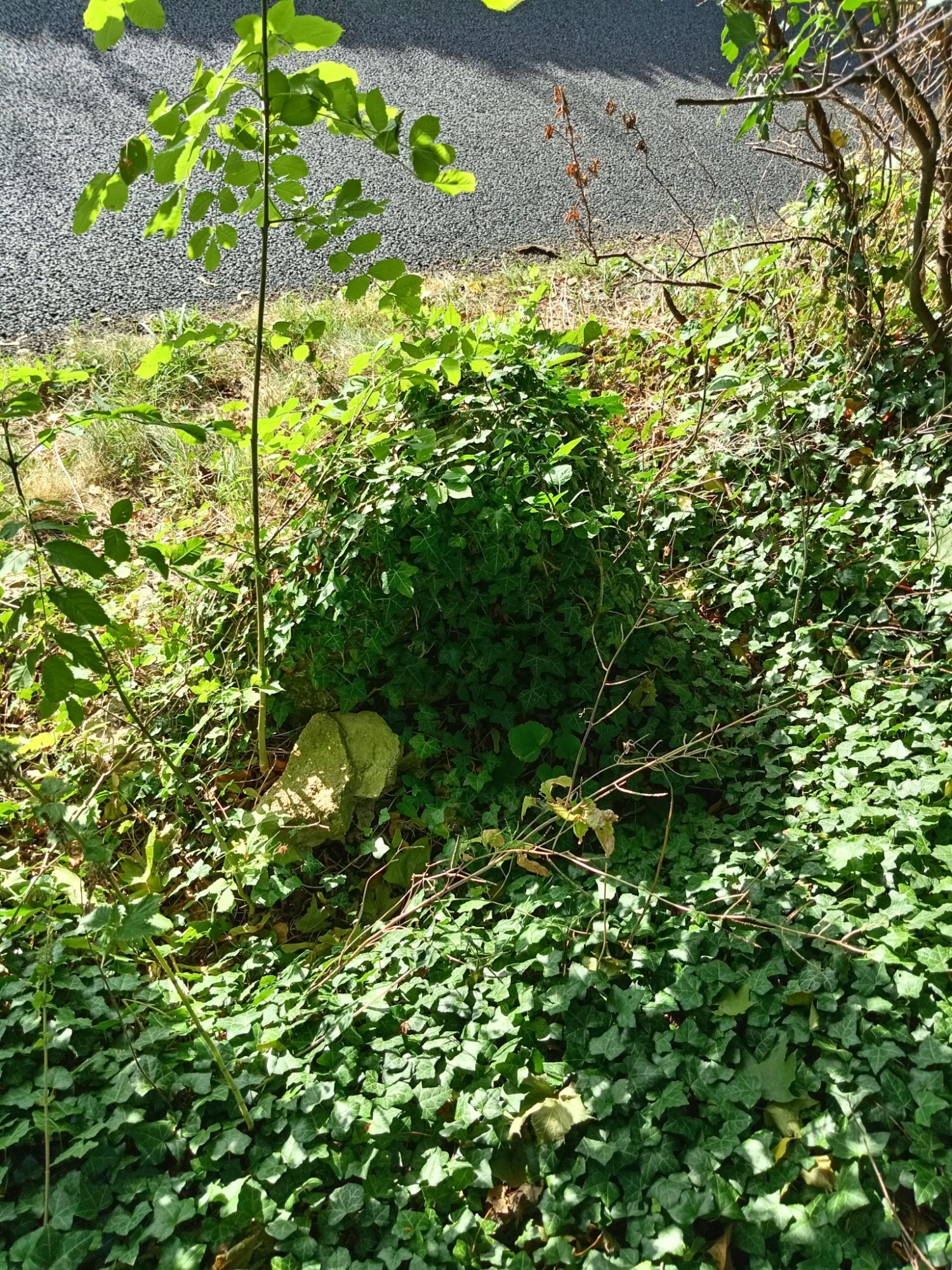


As to “why” Oxford Council resorted to this tactic is a matter of conjecture considering how overgrown the bank and stone is – and how difficult it is to actually locate the stone (there is virtually no signage). Perhaps a flat stone was becoming easily obscured by dirt, leaves and over debris – and an upright position rendered it better protected. John Milton (1608-1674) was a literary genius and esteemed poet who lived across the road from this stone and was a supporter of Parliament (and Oliver Cromwell) during the English Republic (1649-1660). His thinking was both progressive and Revolutionary! He (and his wife) were wealthy landowners in the area of the stone – owning property either side of St Nicolas Church in Forest Hill.


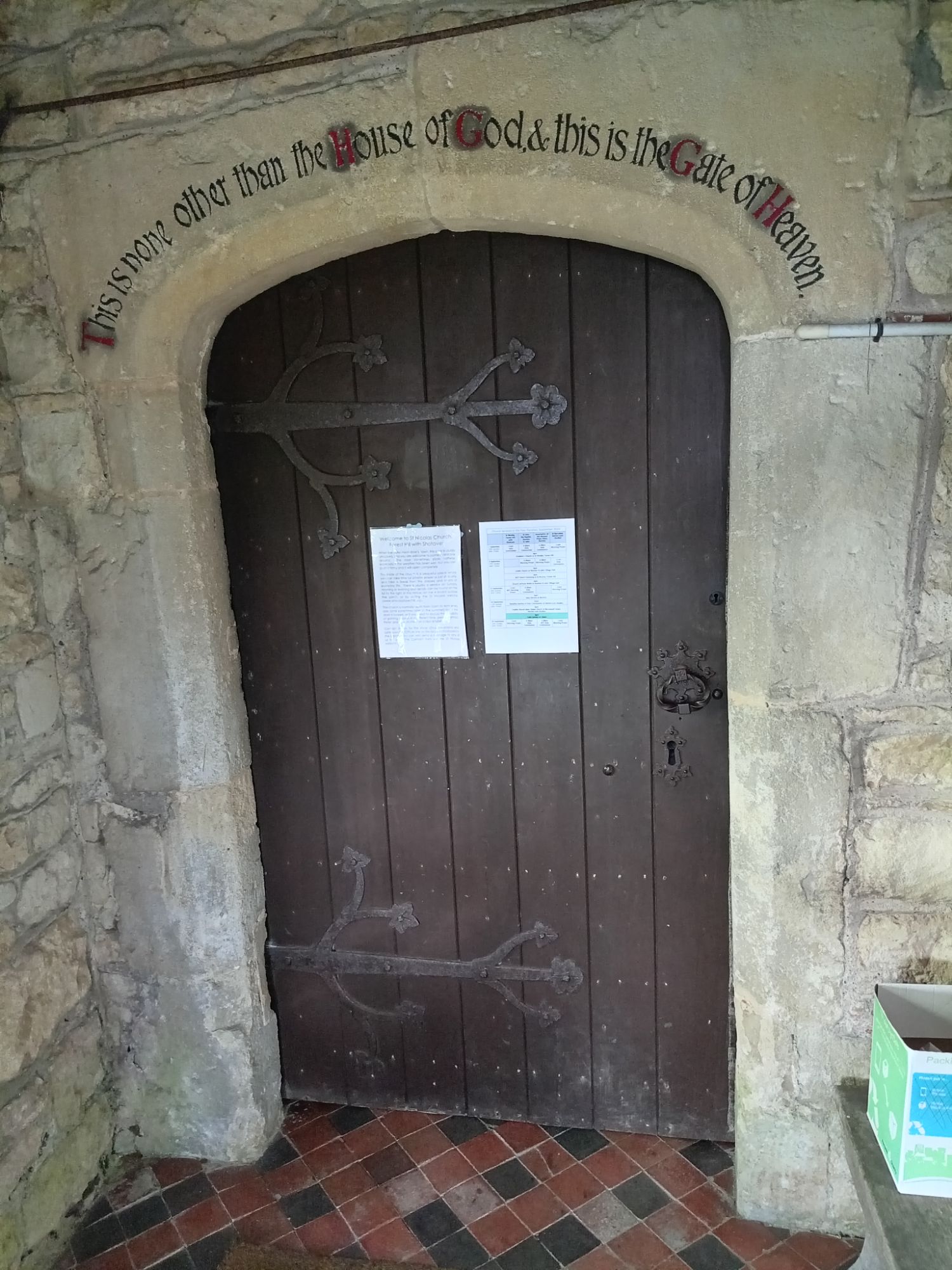
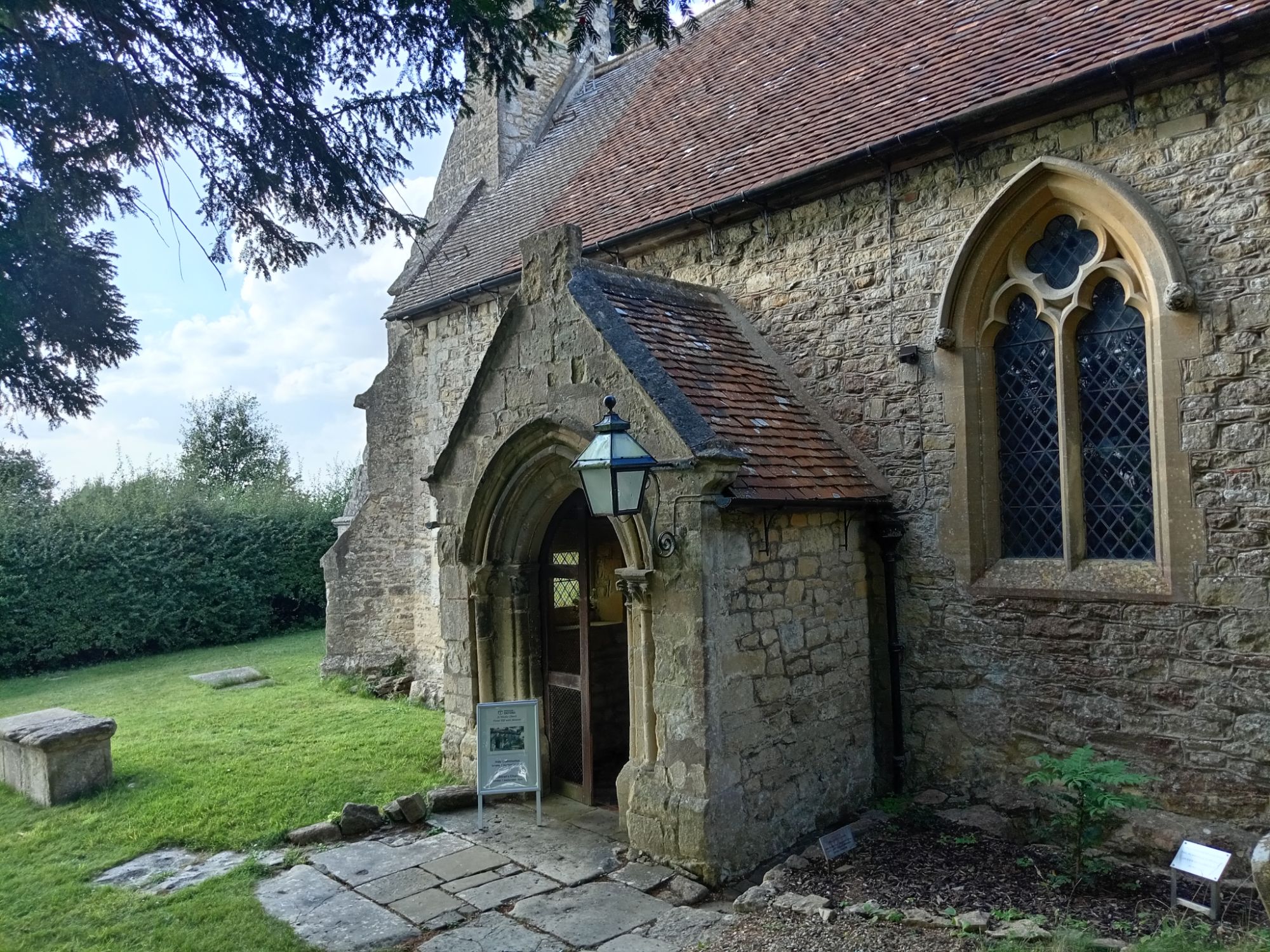

It would seem that John Milton made use of this stone in two-ways. As this was a public-stone used by everyone – John Milton made use of it as a raised platform to assist him in mounting and dismountig his horse. Indeed, as this stone was situated near St Nicolas Church – people arriving to worship and leaving after attending Church – would use this stone in much the same way.
However, John Milton would often be seen leaving the farm he owned across the road and sit on the stone to smoke his pipe whilst deep in thought. Of course, with the stone being upright today – many people do not make the connection as to what its original function was.