
As the children are being taught how to travel across the UK using Public Transport – we left the car at home and travelled to St Albans by train from West Sutton. We arrived around 1130 am and left around 430 pm and in that time we traversed the (hilly) area on foot carrying rucksacks full of supplies! We managed to visit one giant Abbet – and two substantial museums as well as the famous Clock Tower!
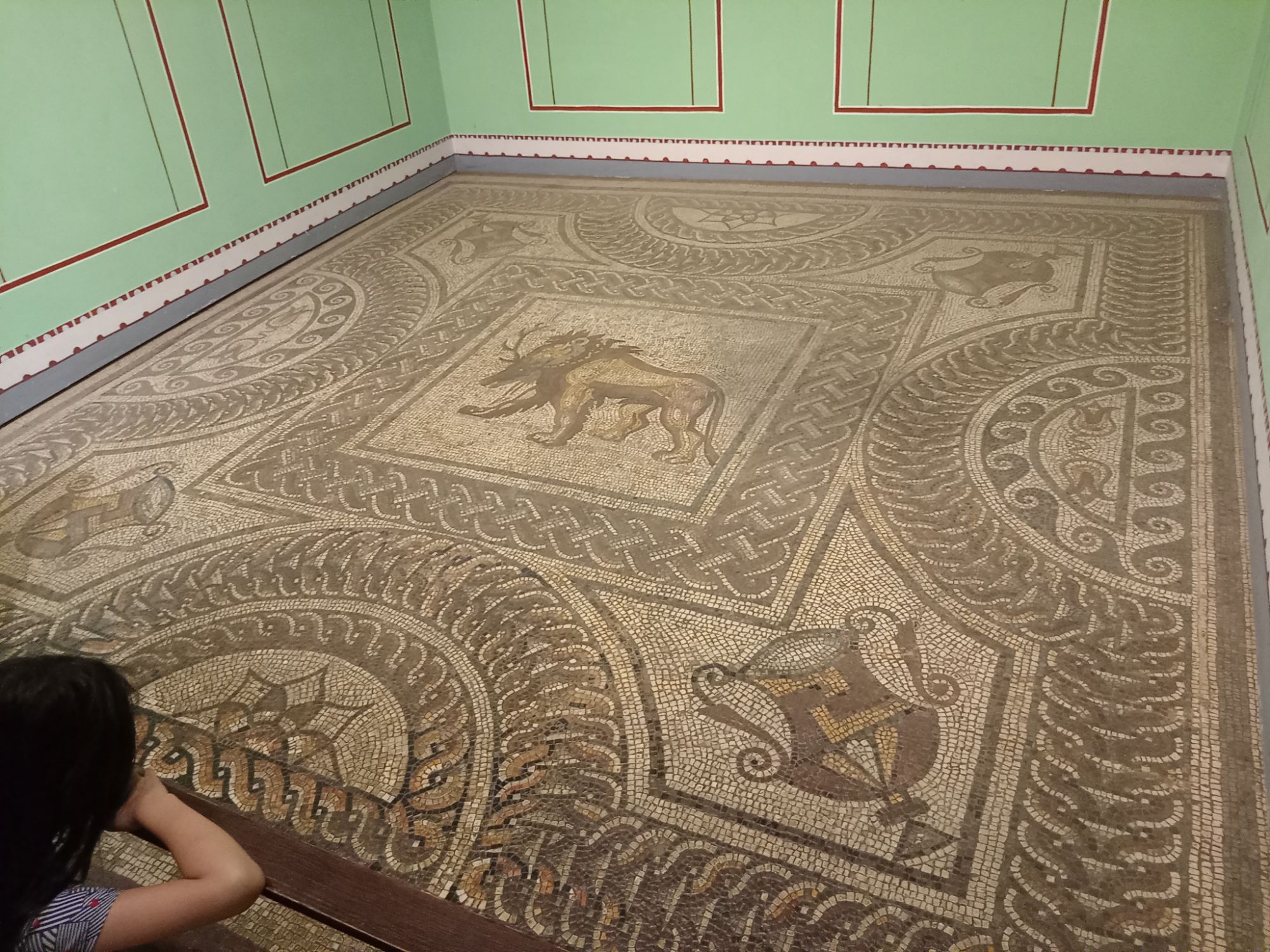
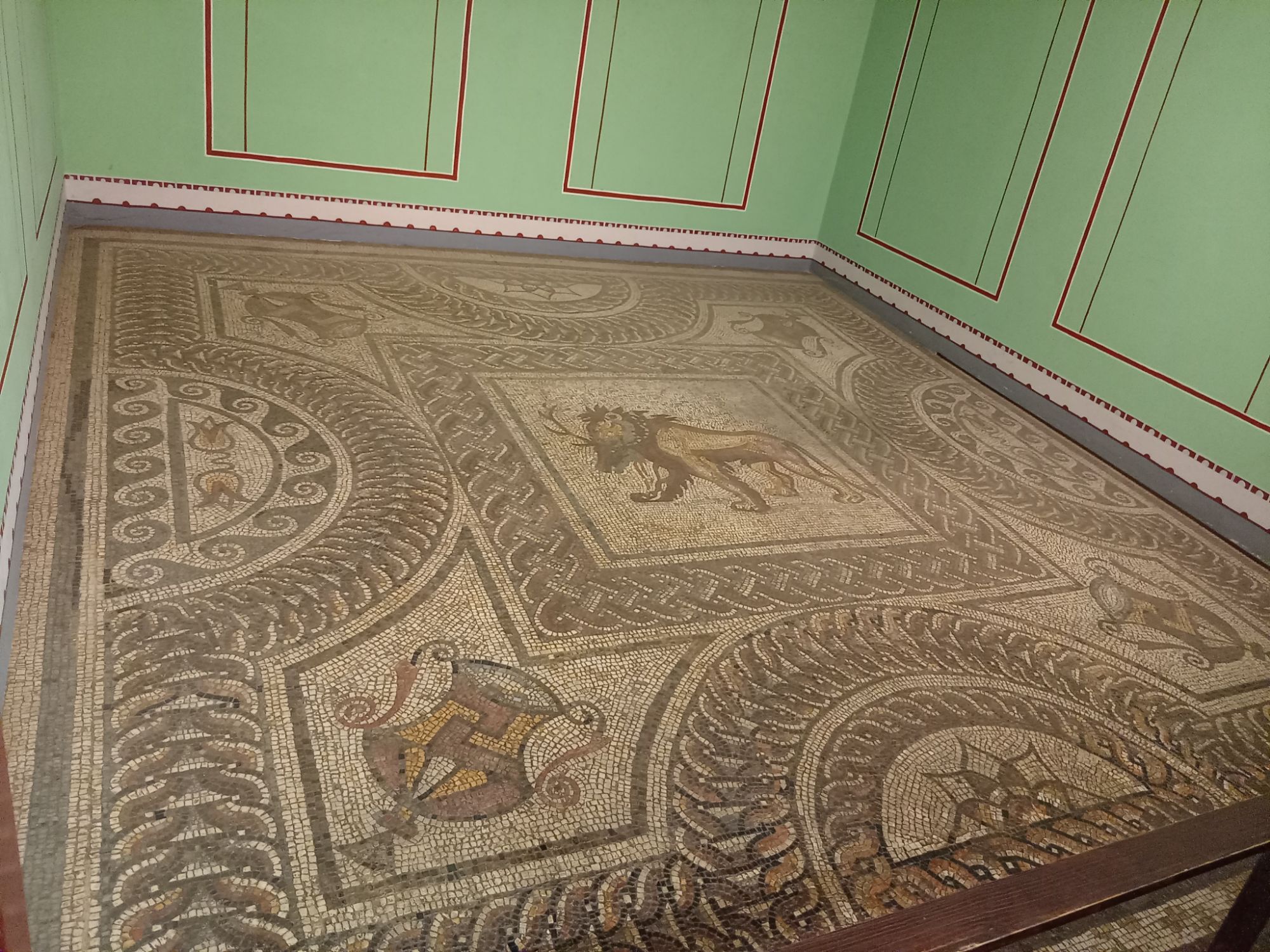
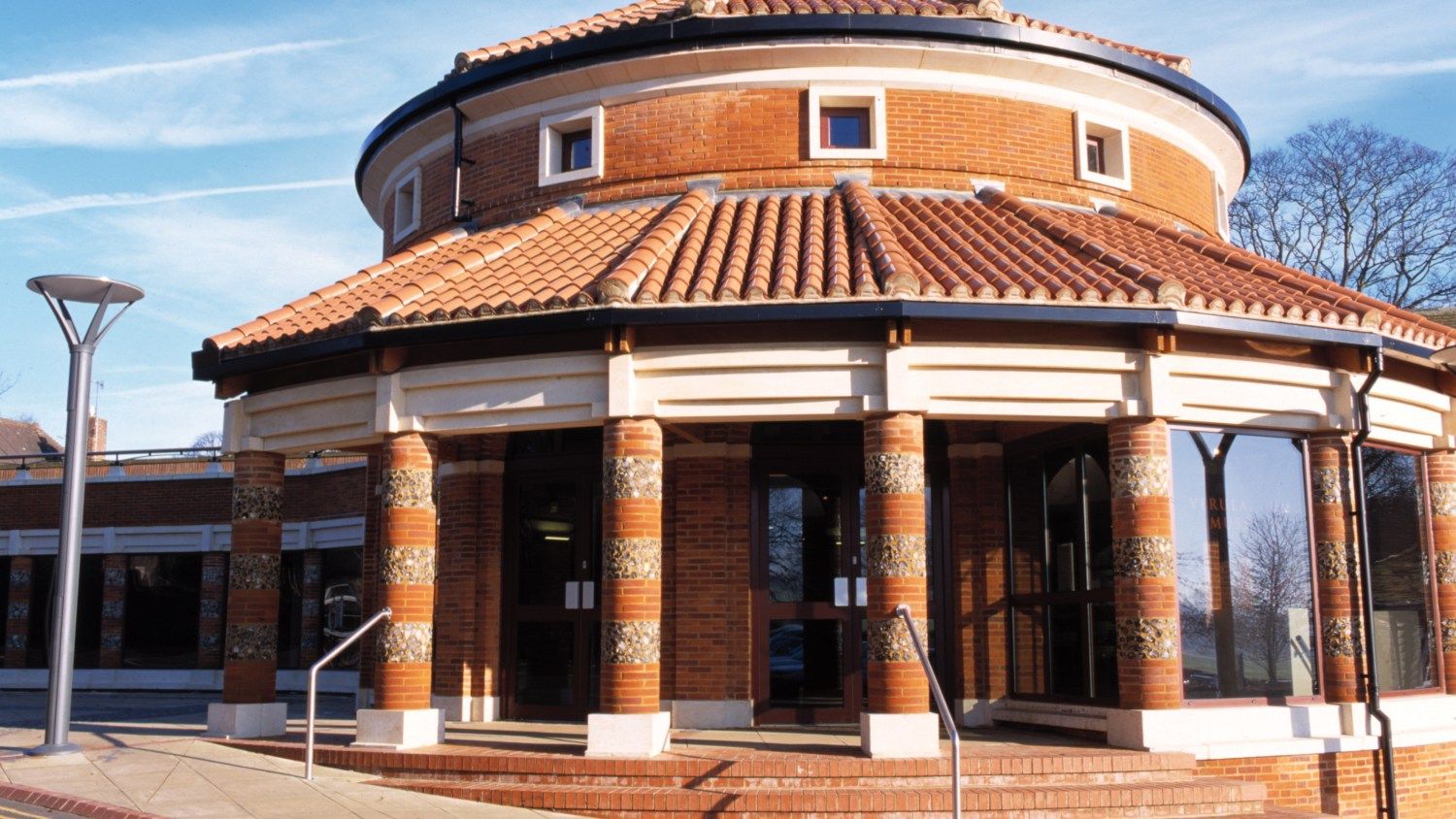
This building did not possess any Disabled Access (in fact it had numerous very poorly marked steps) – and on the day NO functioning toilets. Furthermore, it is “Paid” access. Indeed, the website is so sparse that it hardly seems to justify the bother of keeping it up – unless to attract fee-paying customers that is. Coming from South London – and being well-travelled – I found the Museum oddly lacking – even amateurish in as much of the place possessed ample “empty” space with not much in it. Still, the purpose was to educate the children and ourselves – and one thing we emphasis is adaptability in the face of disappointment or discomfort. Knowledge was present and our objective was to data-mine!
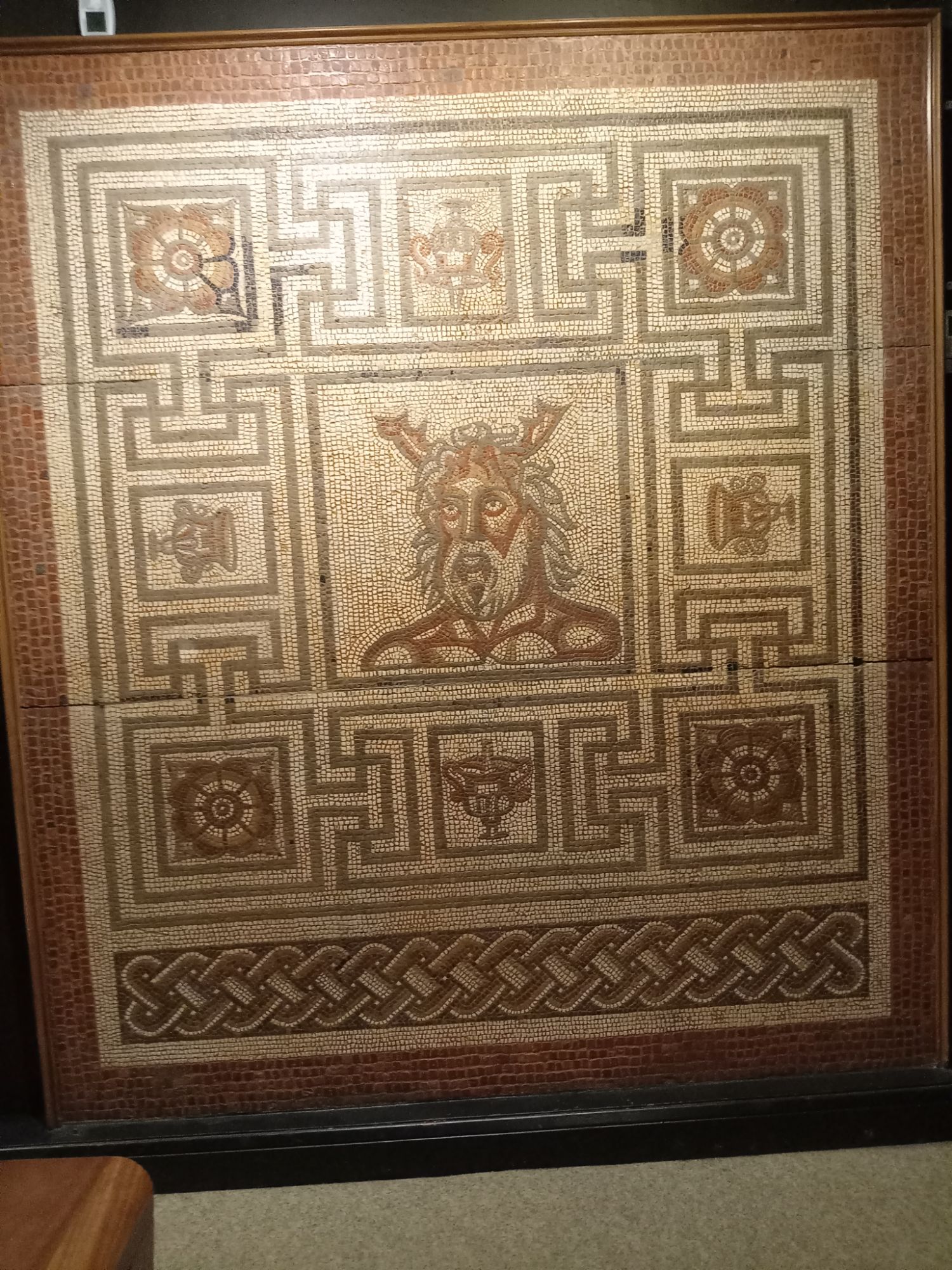
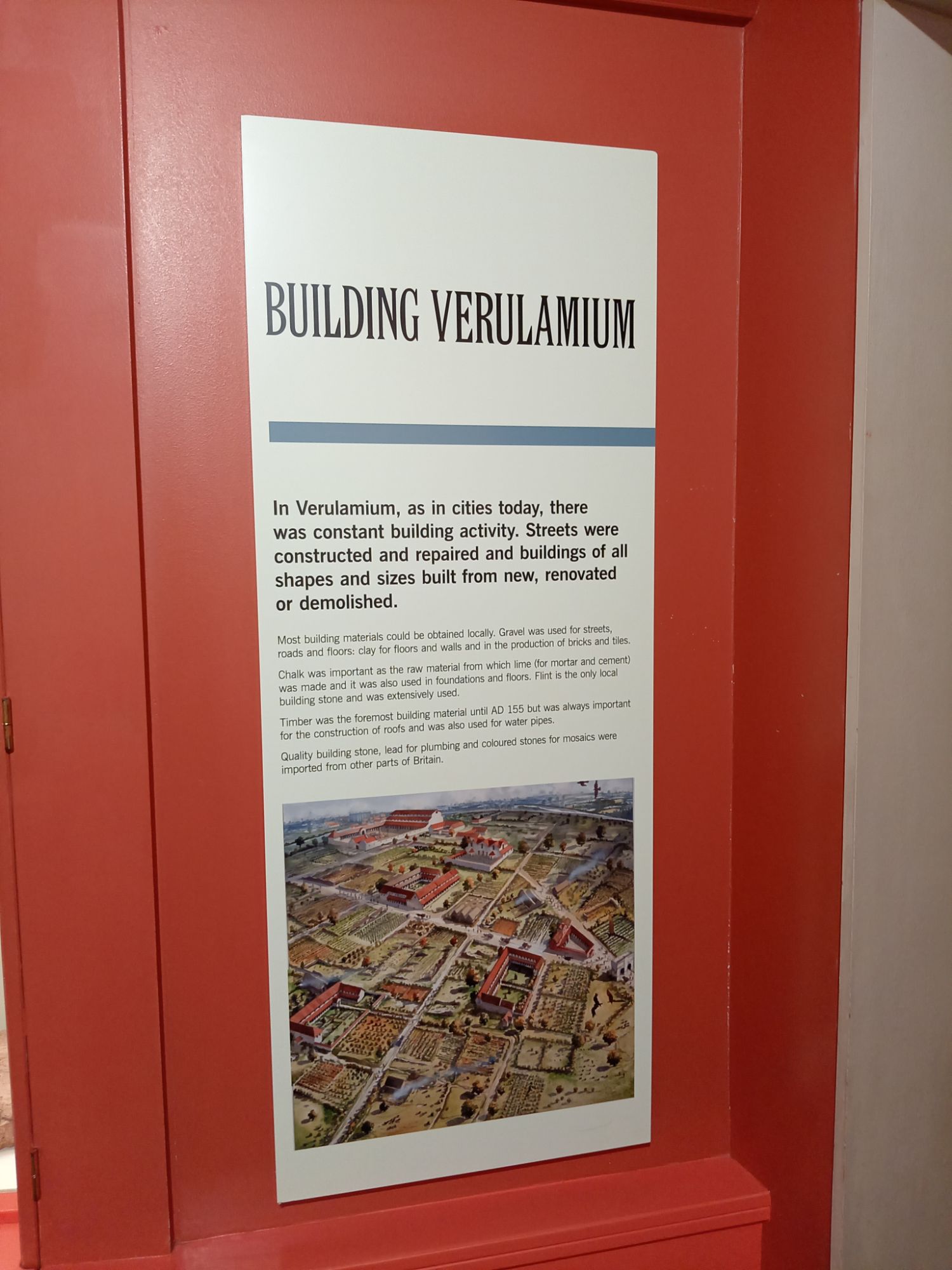

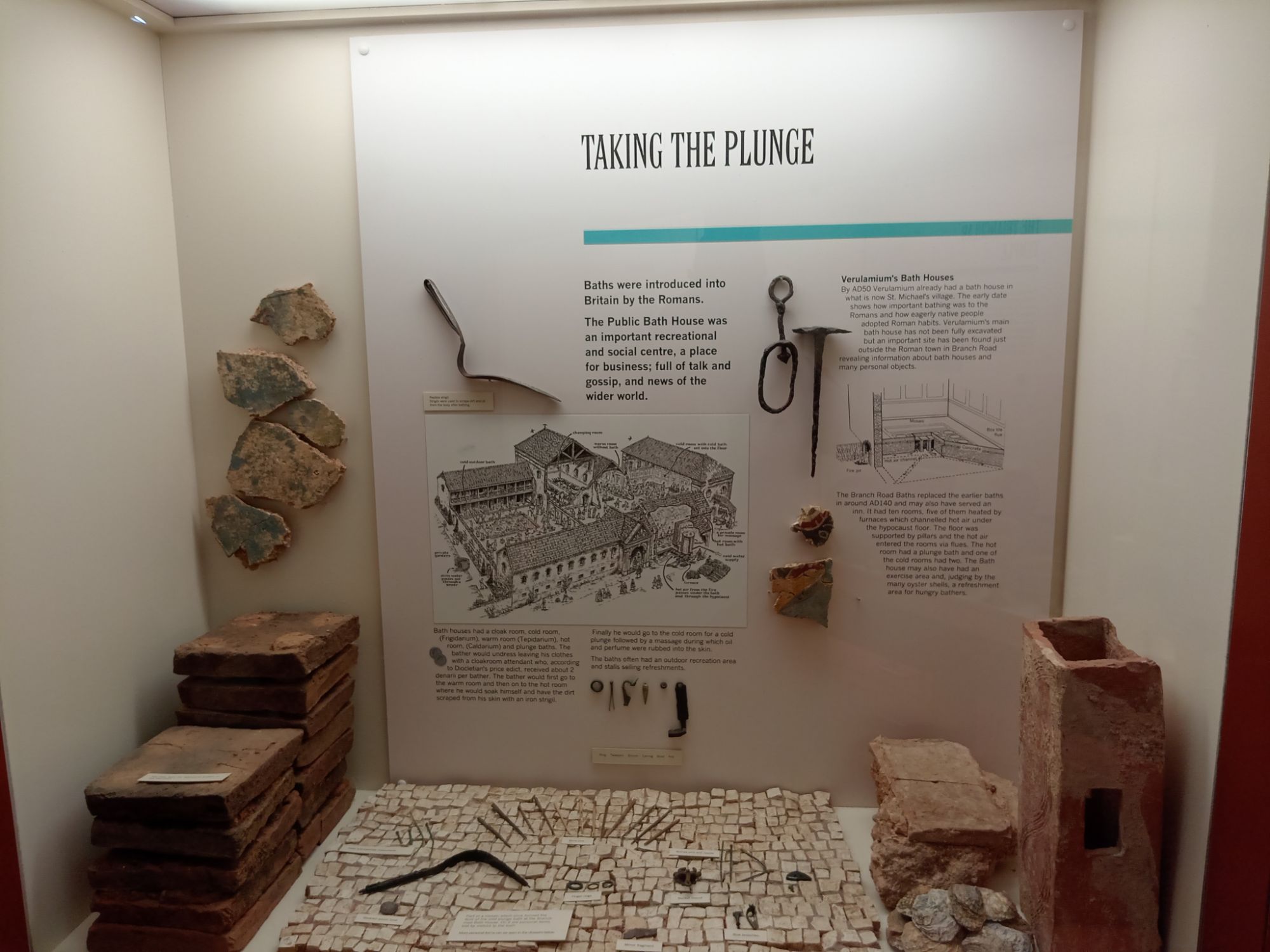
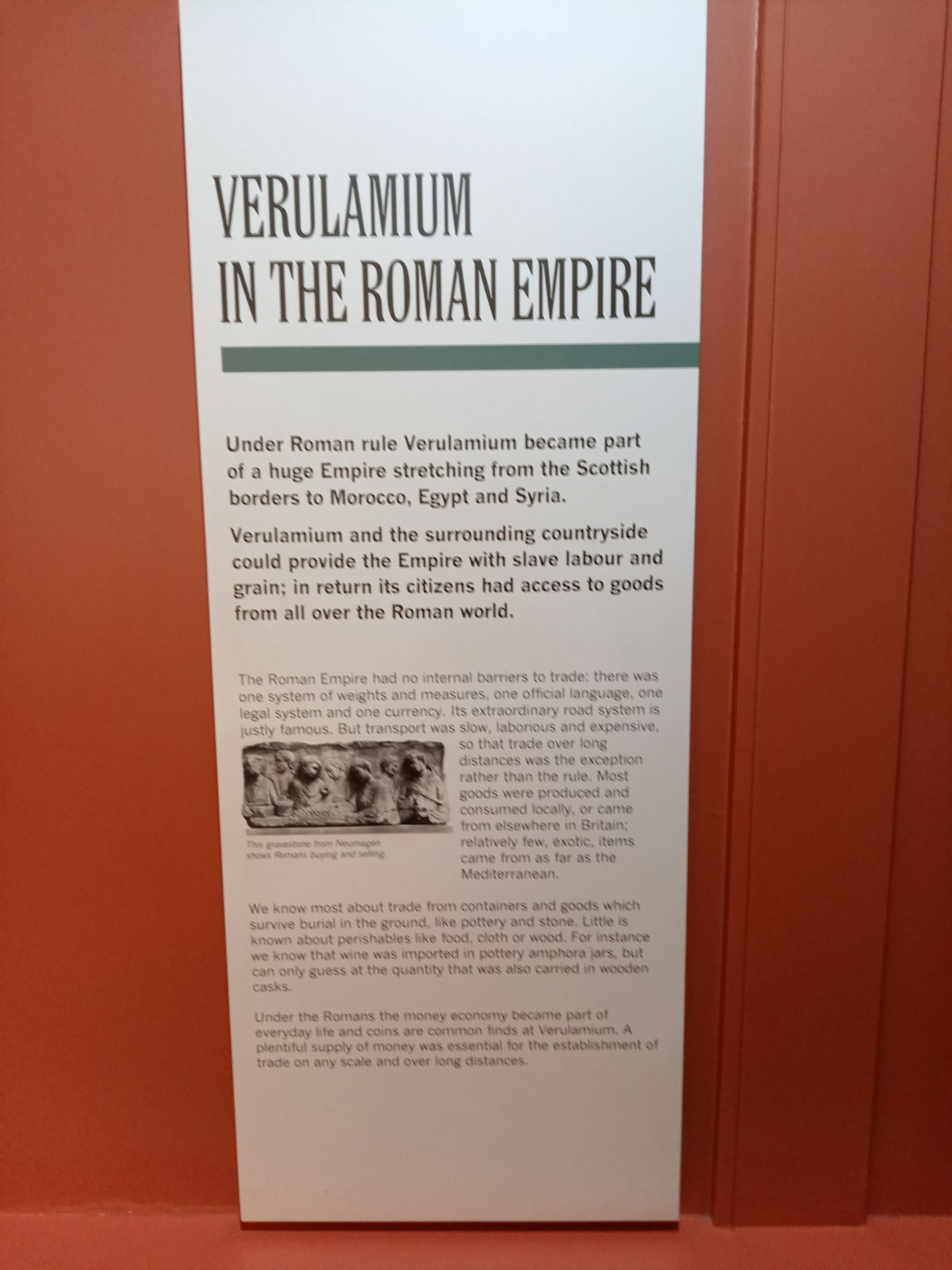

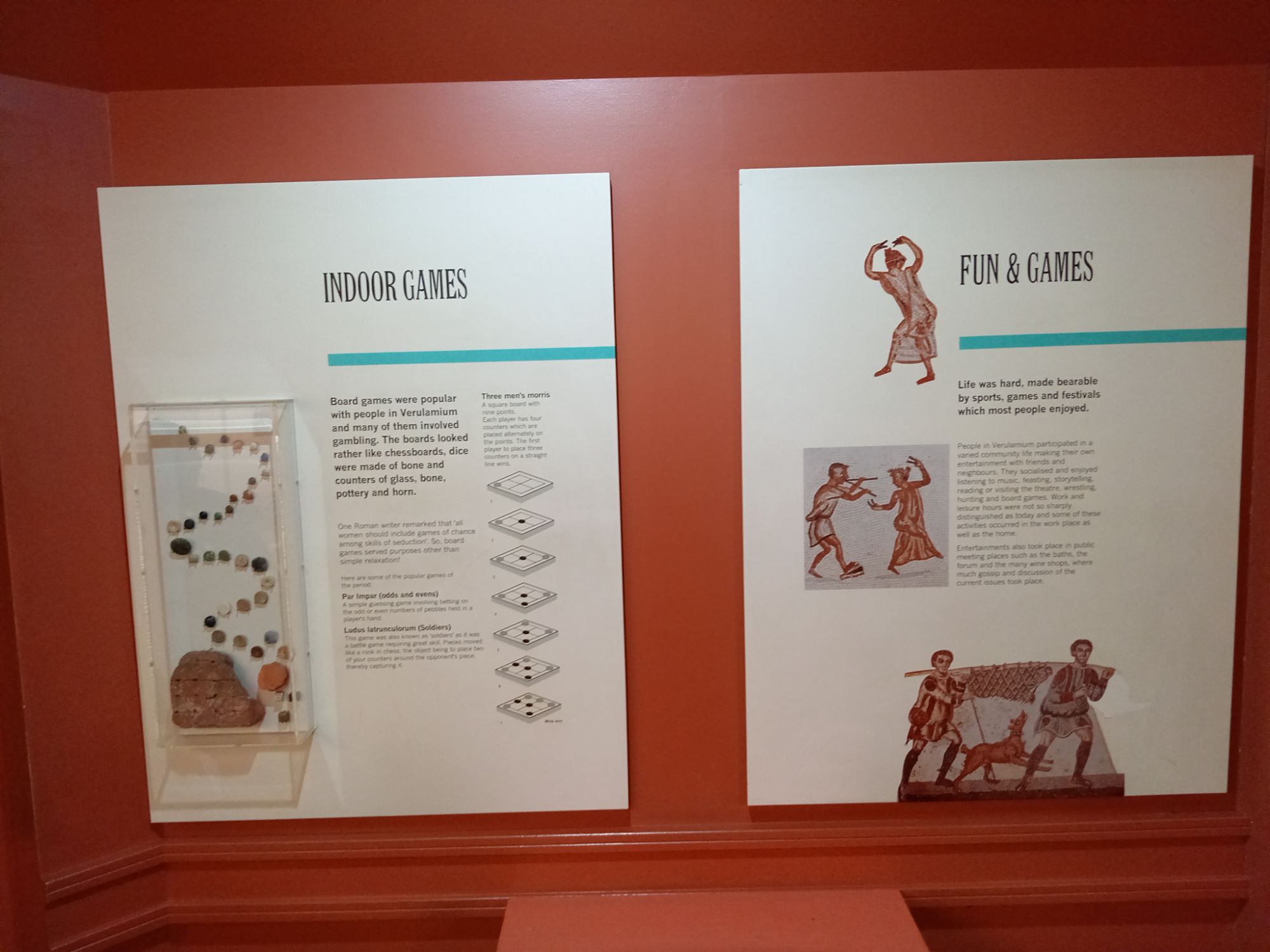
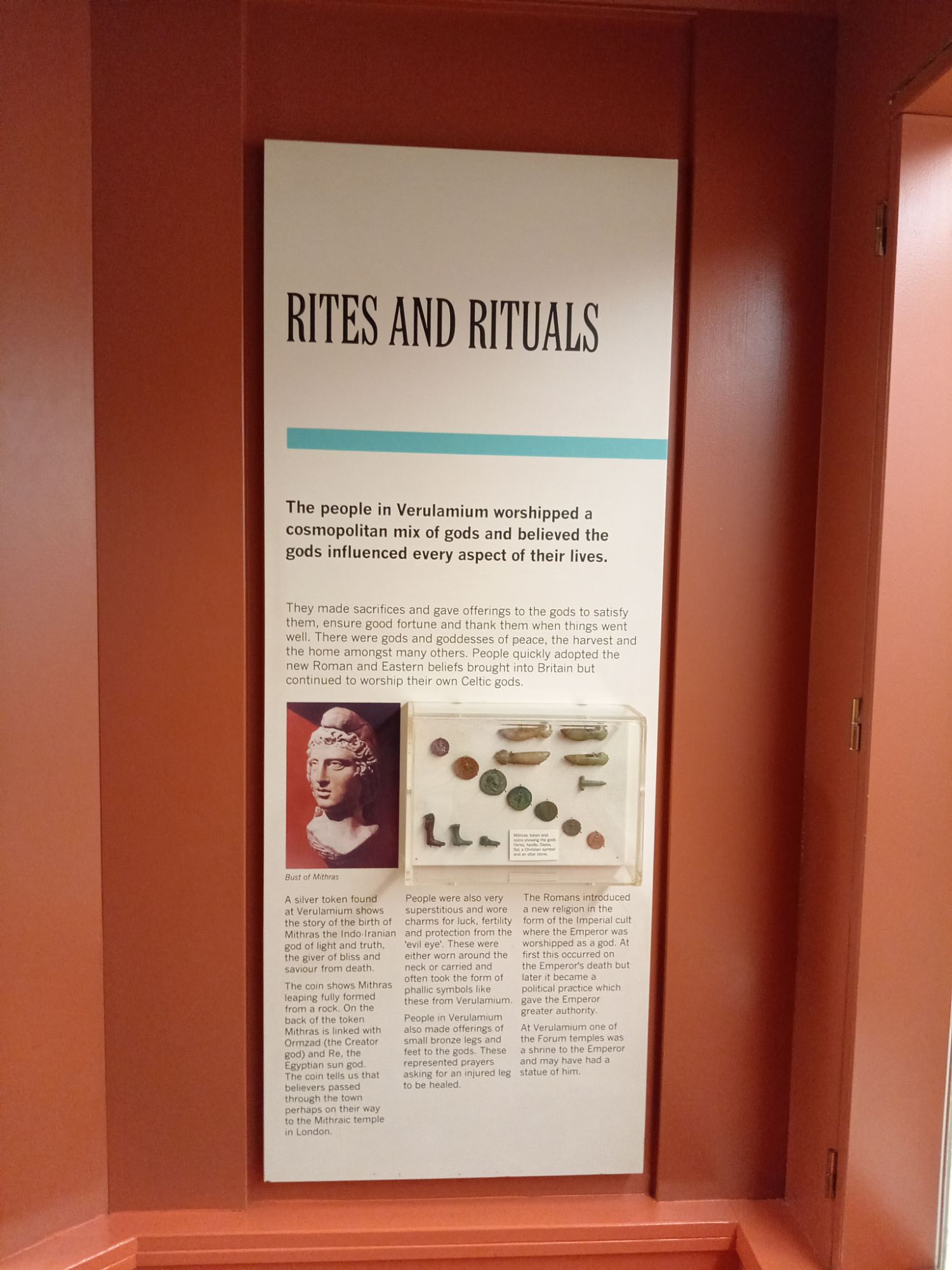
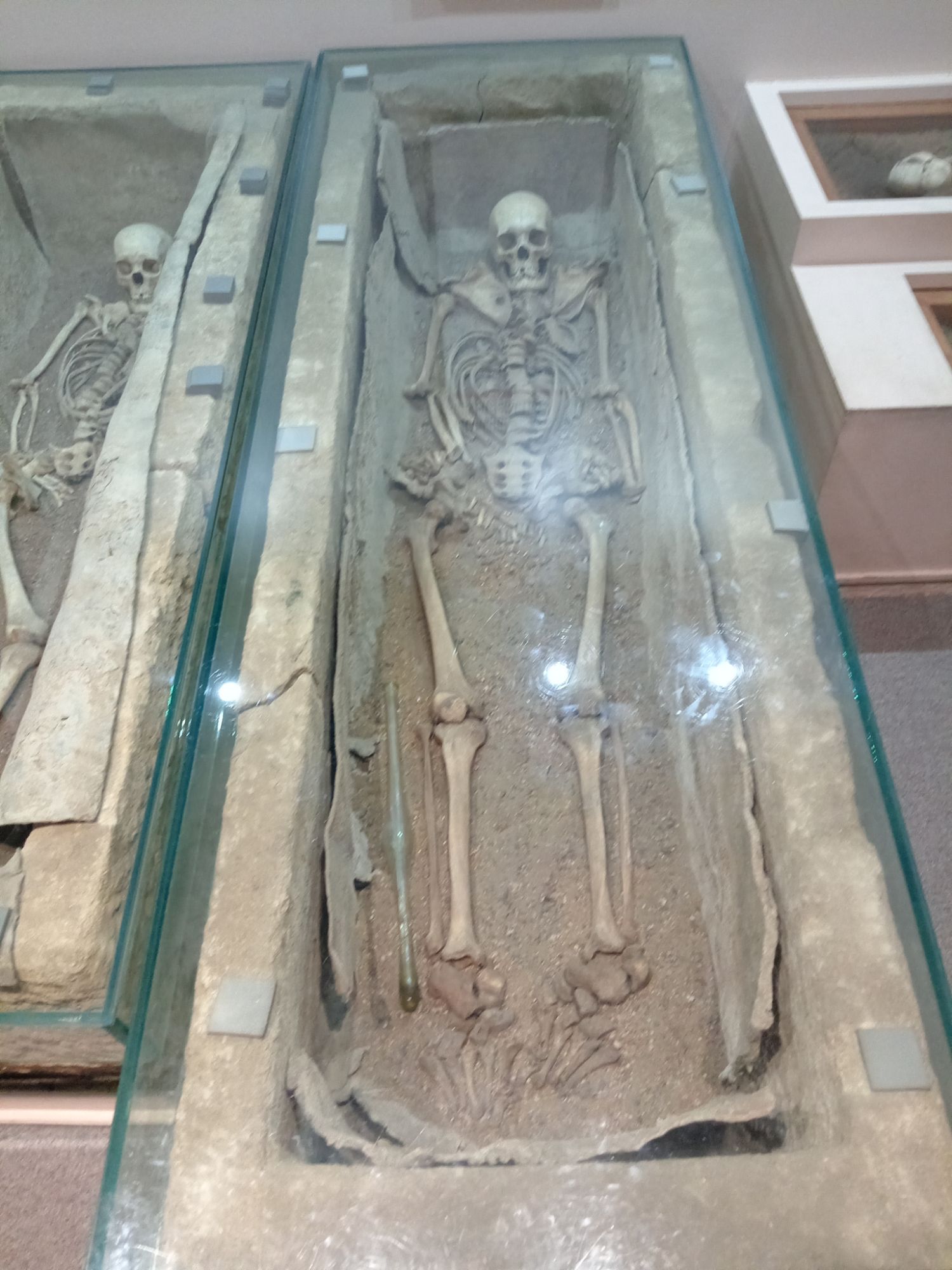
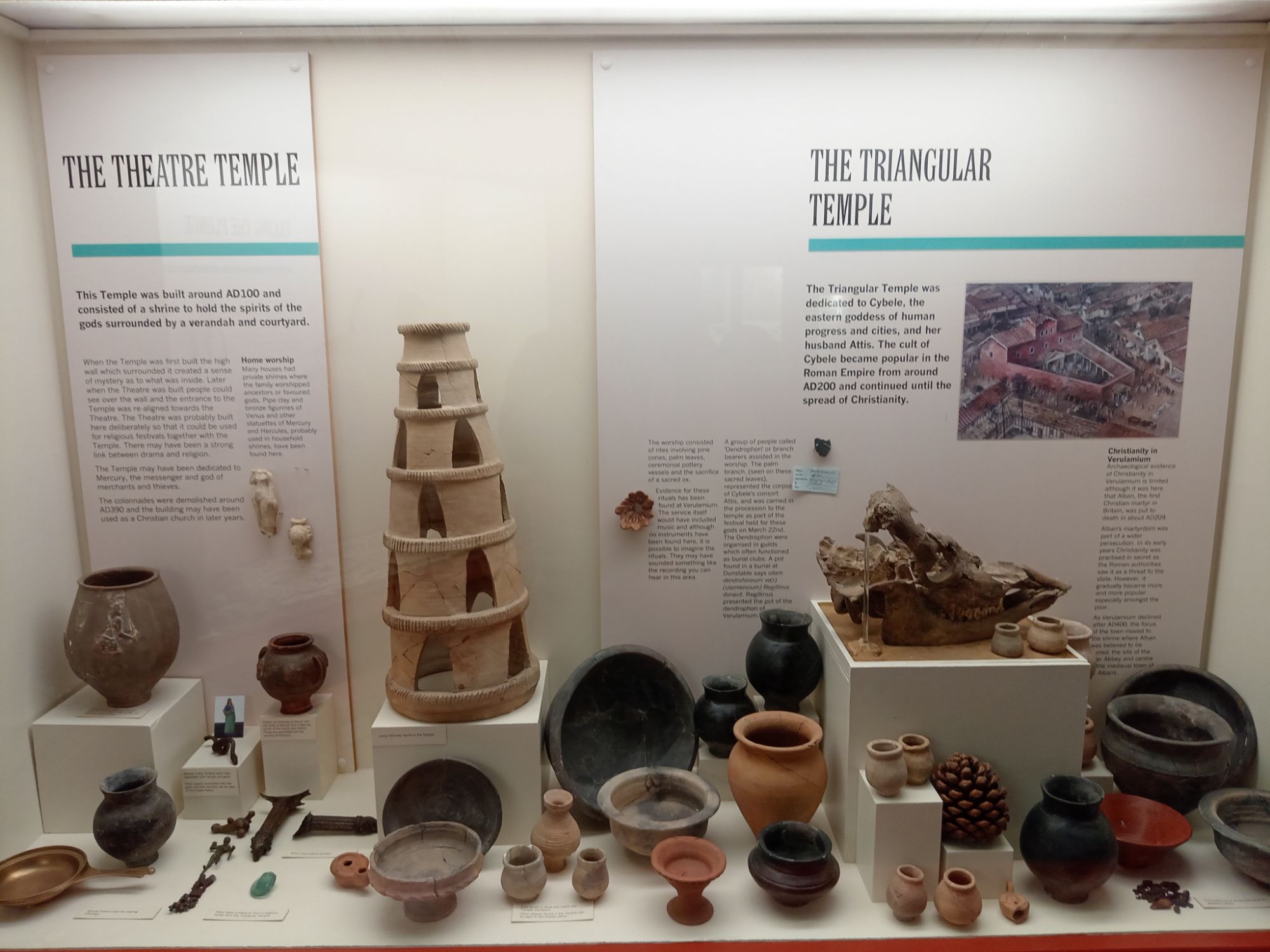


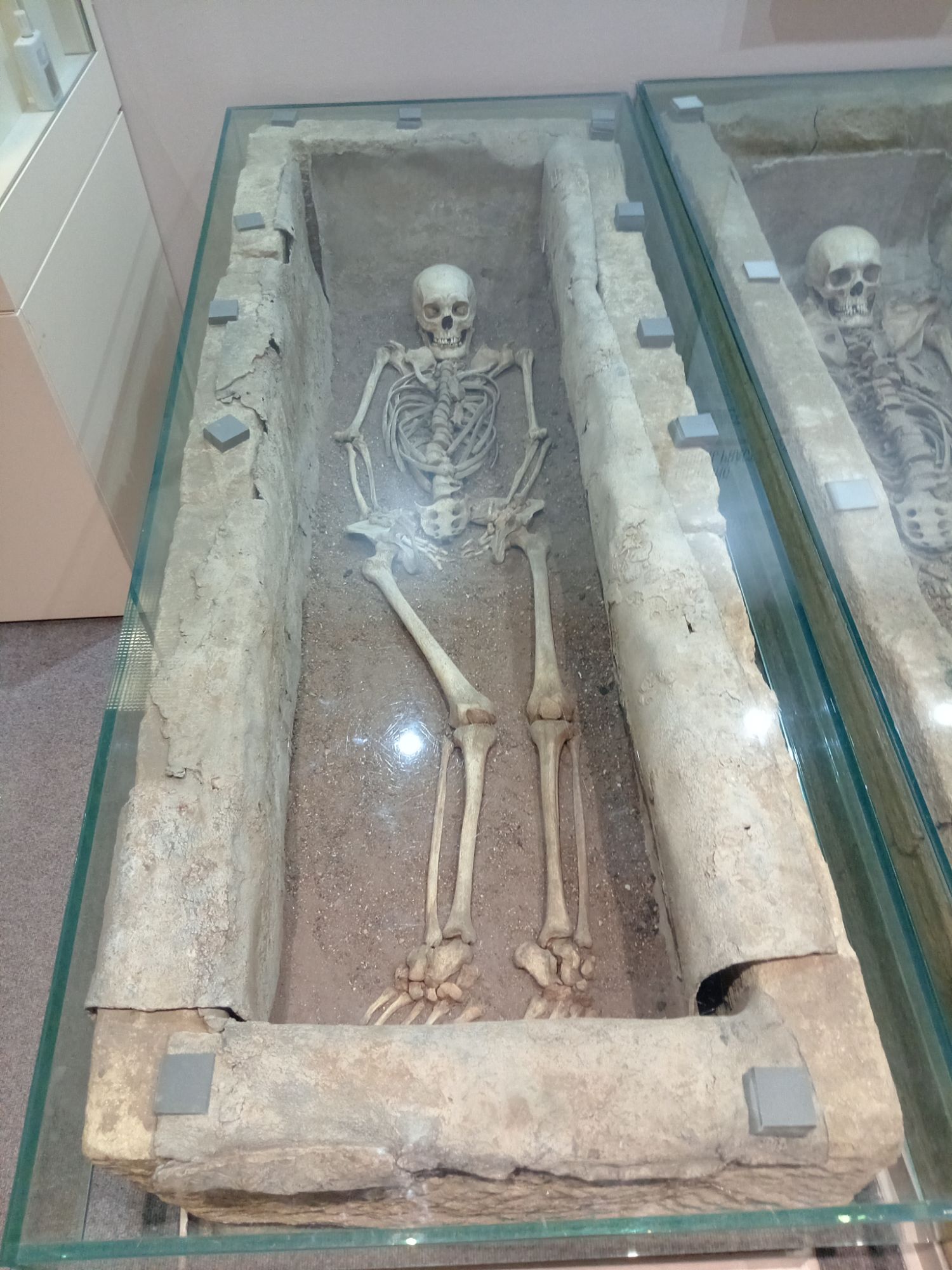
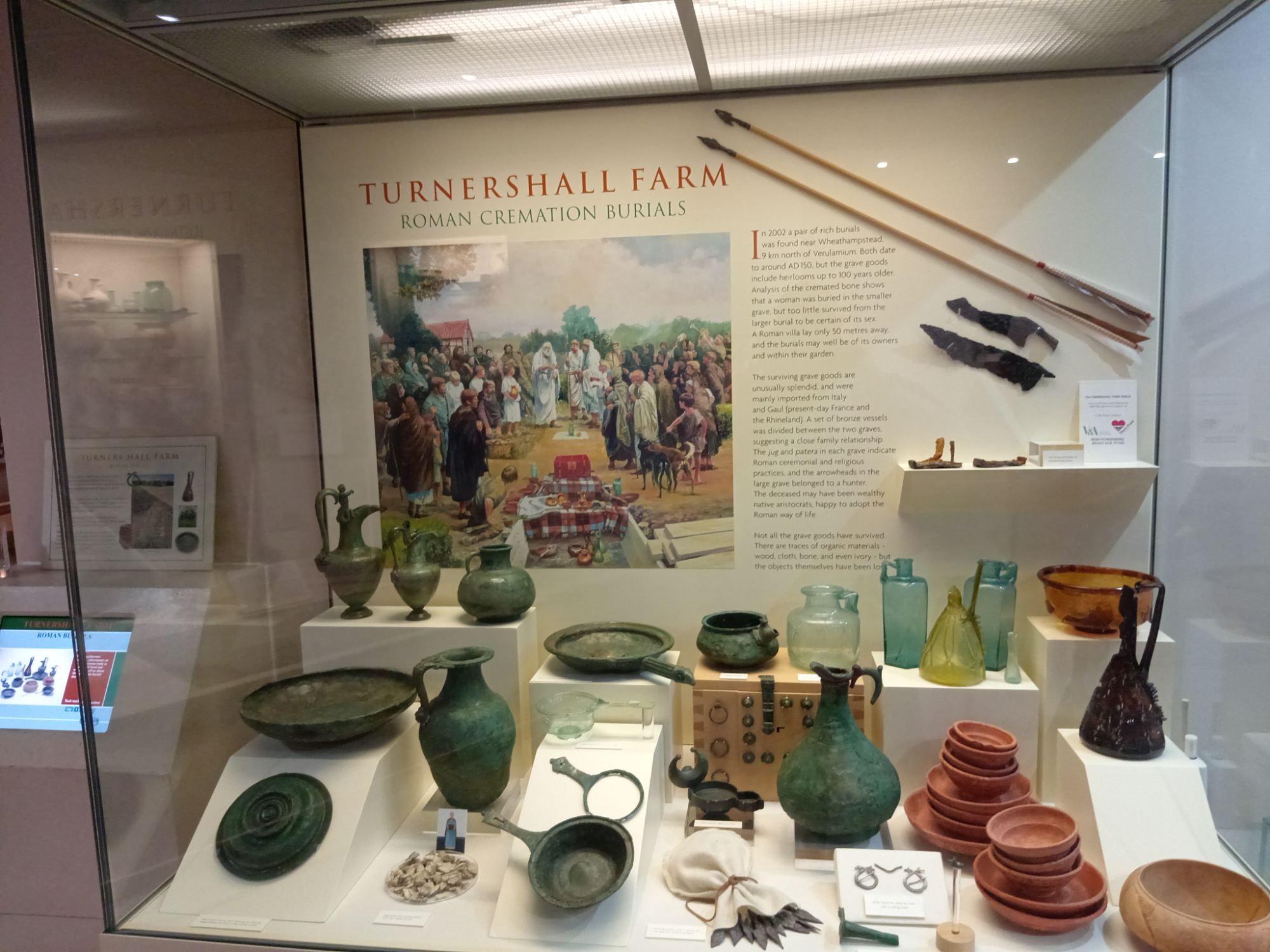
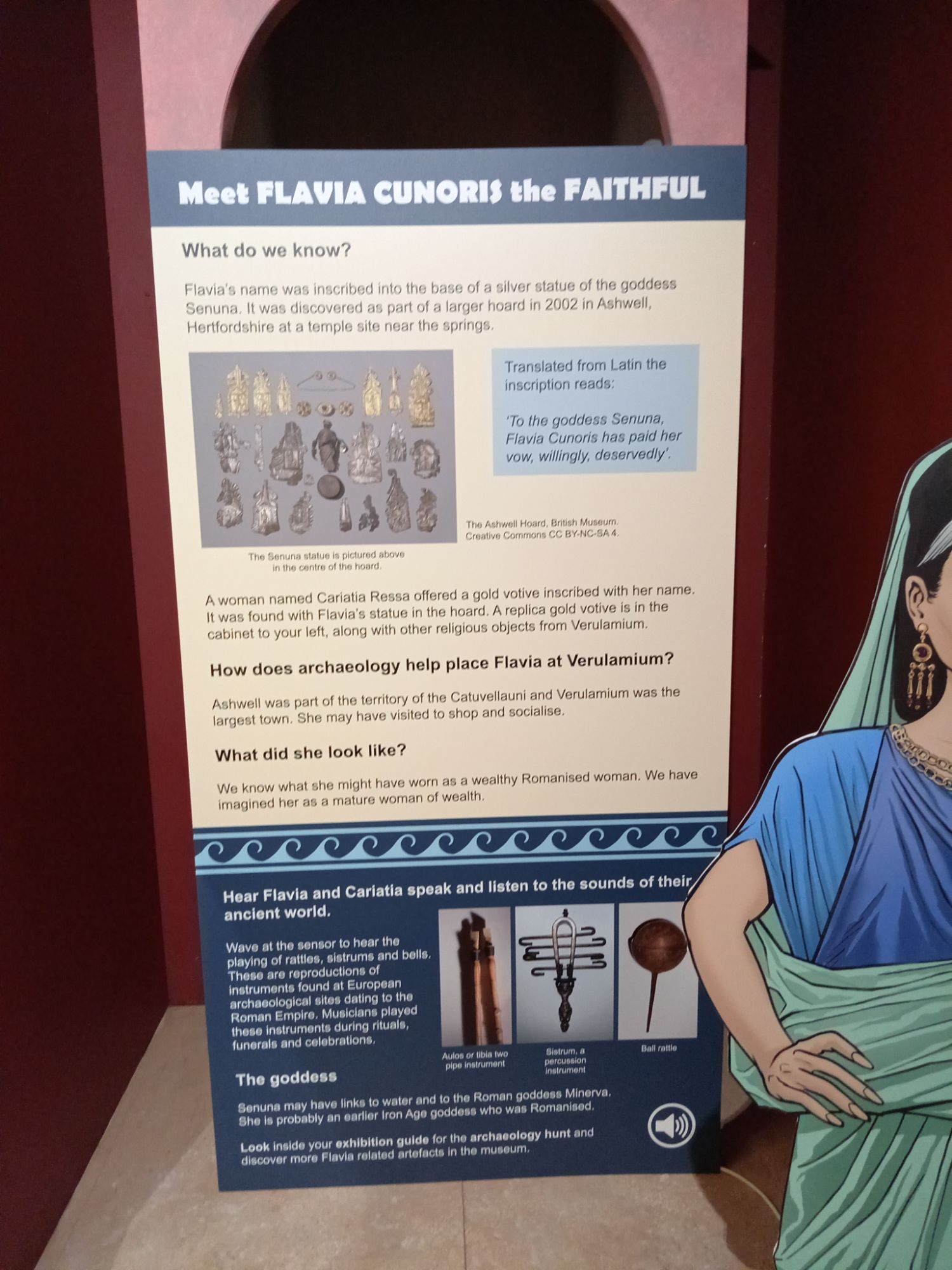
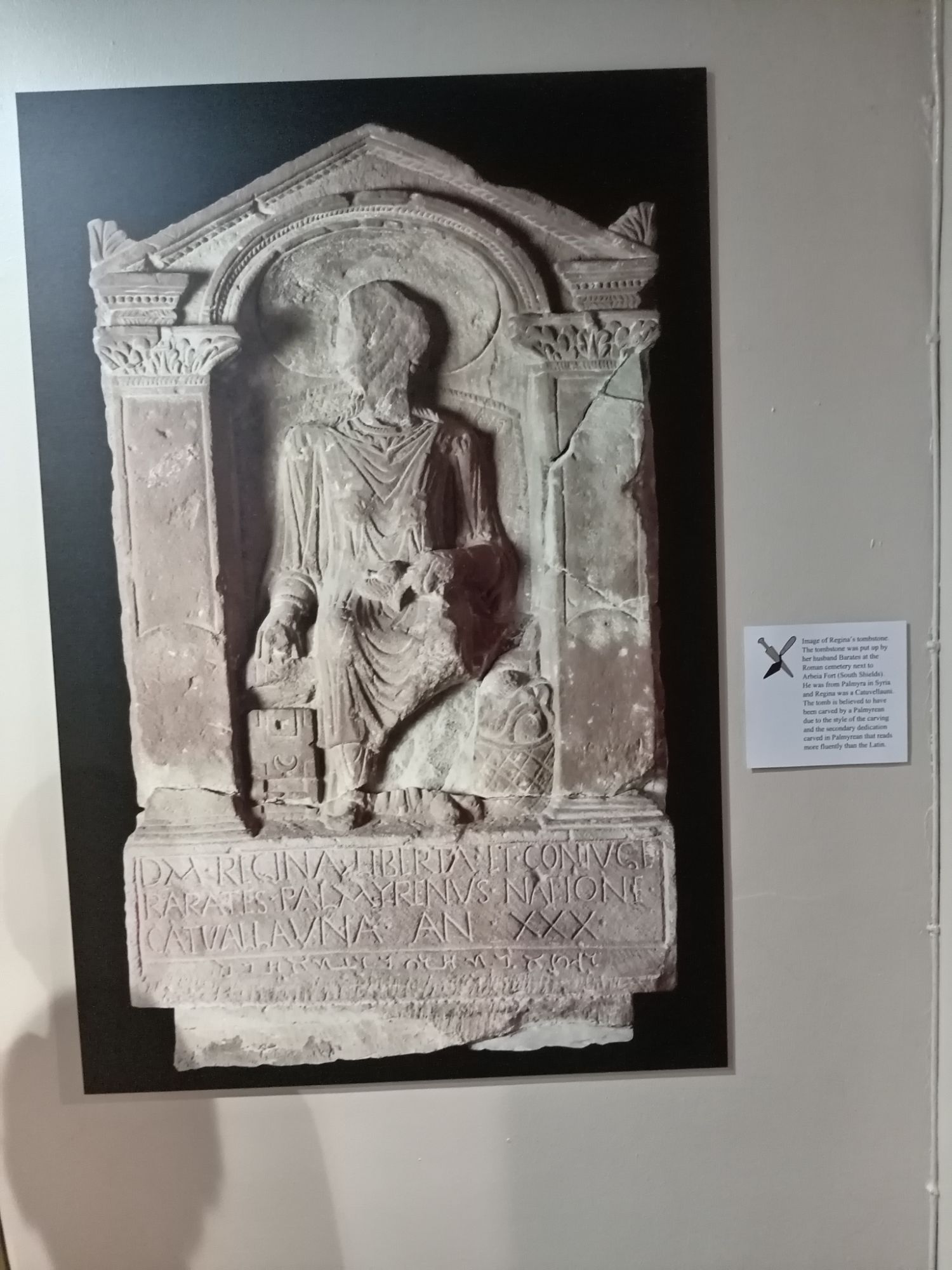

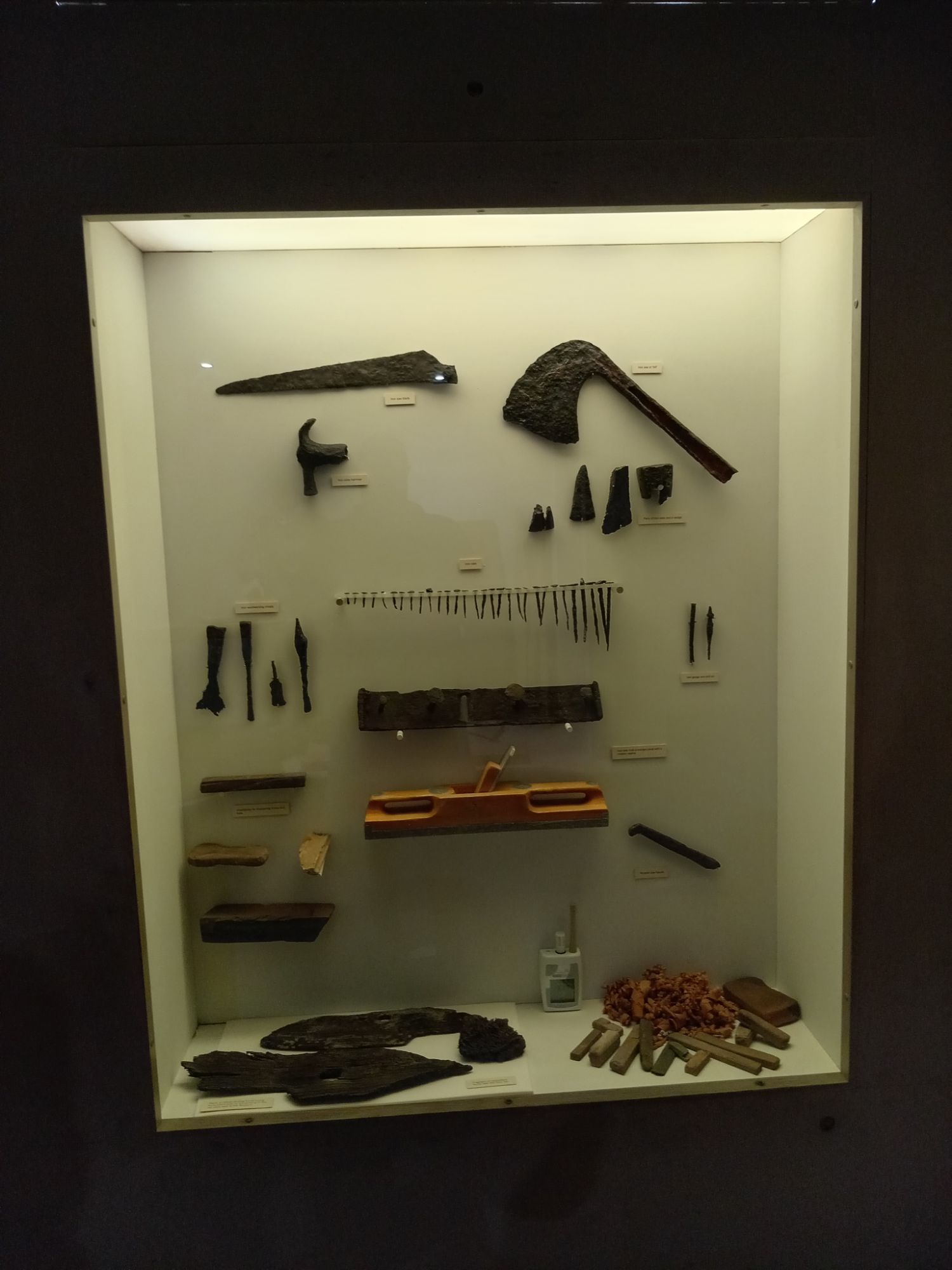
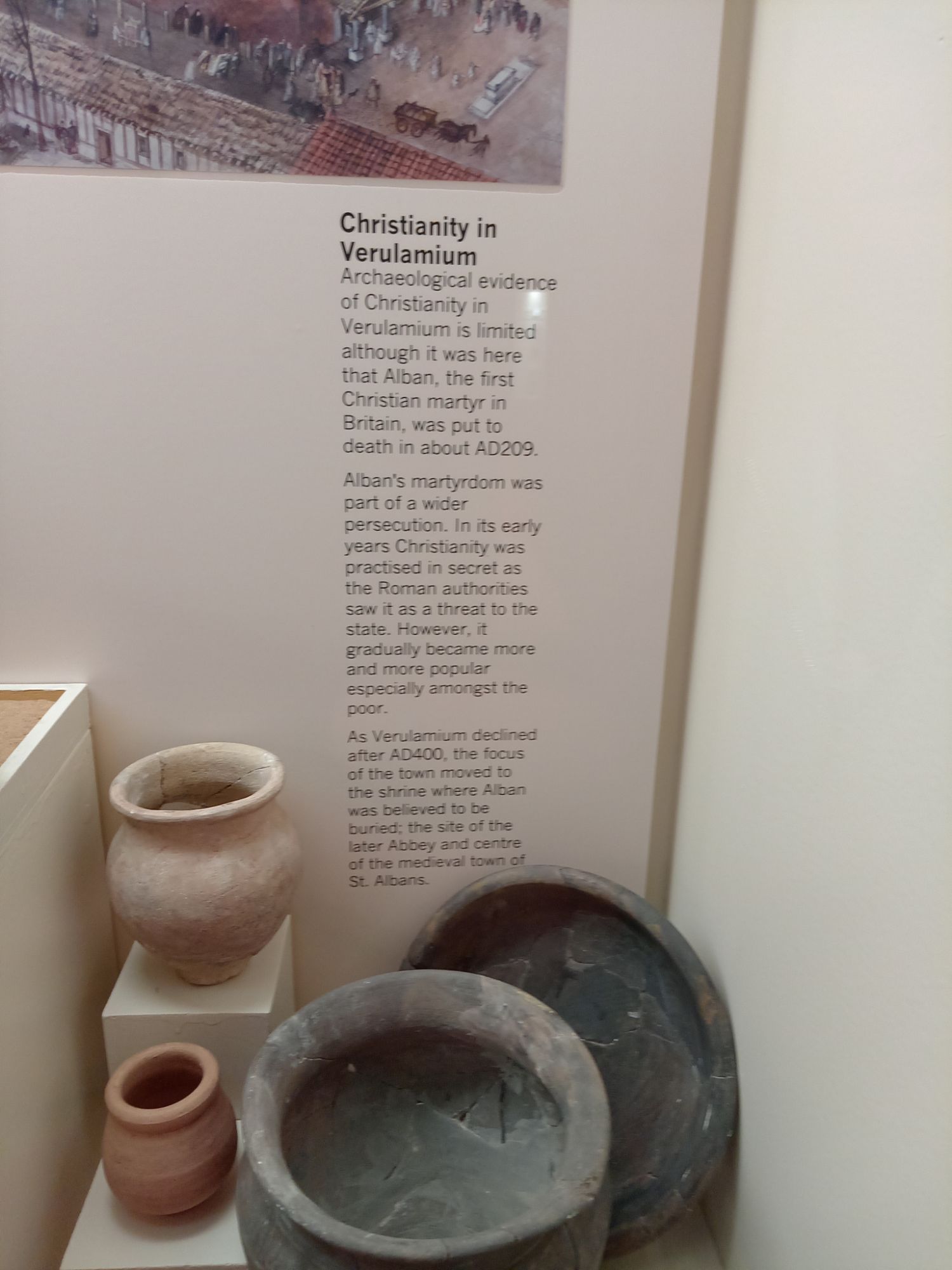
Prior to this visit, I had no idea that Roman St Albans was termed “Verulamium” by the Roman Occupiers of Britain! Of course, Roman rule was collapsing by the time (in the 4th century) that Christianity was becoming popular throughout the Roman Empire. Some wealthy Romans tolerated Christianity prior to this date (perhaps 3rd century) as being just one of many choices of belief from across their Empire – as the Roman Authorities were not yet exclusively “Christian”. This is why Celtic Christianity was probably from Egypt and premised upon the monasticism of the Desert Fathers – having little directly to do with Rome. The Catholic Church did not arrive as a State power in England until the Norman Conquest of 1066 (isolated Catholic Churches and monasteries had arrived in England prior to this date – but possessed no political influence or power with England’s Celtic Chiefs or Anglo-Saxon Kings). In just one-hundred years of its arrival in 1066 – this new and aggressive type of intolerant Christianity had wiped-out its Celtic cousin by the 12th century.
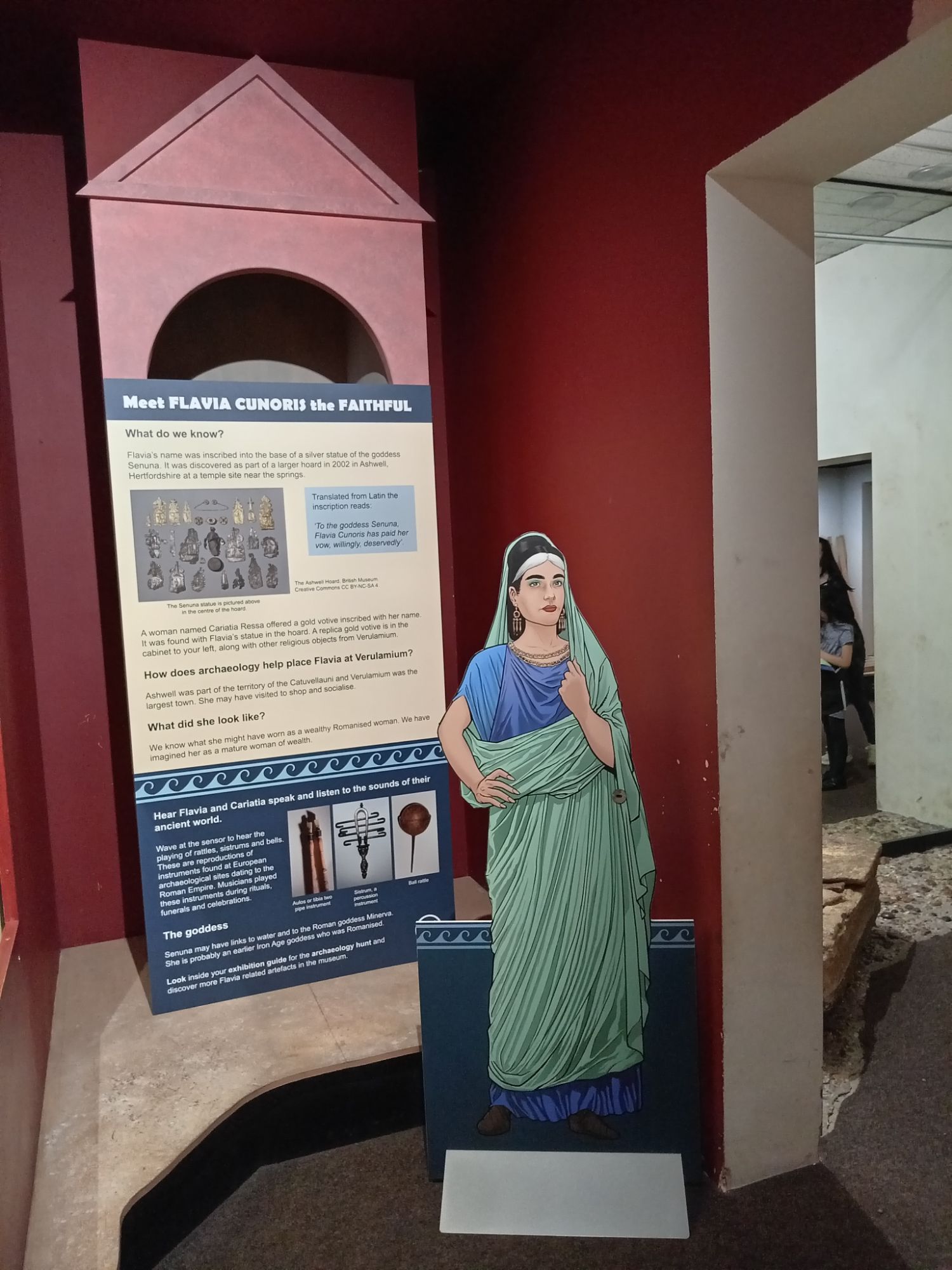
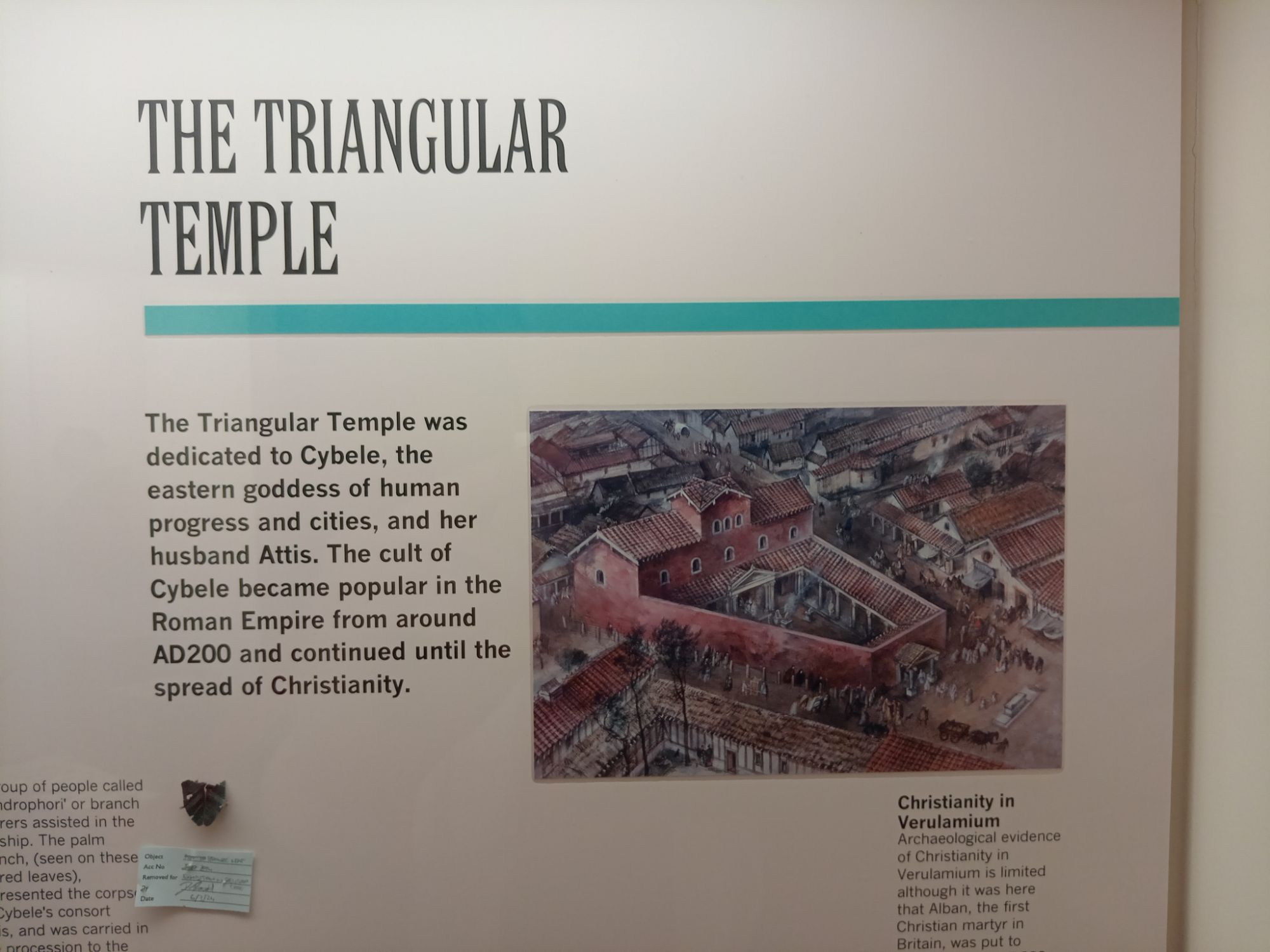

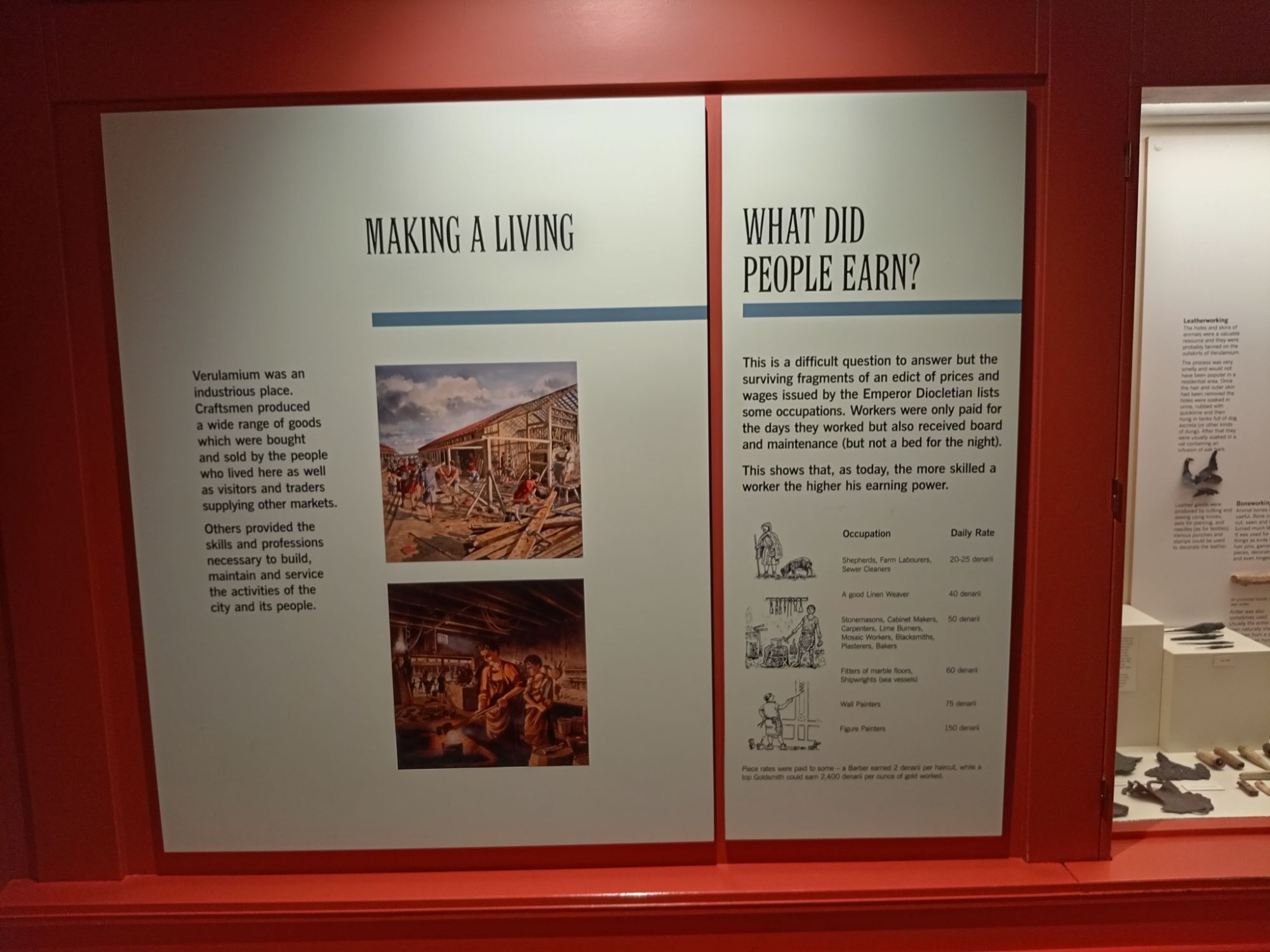
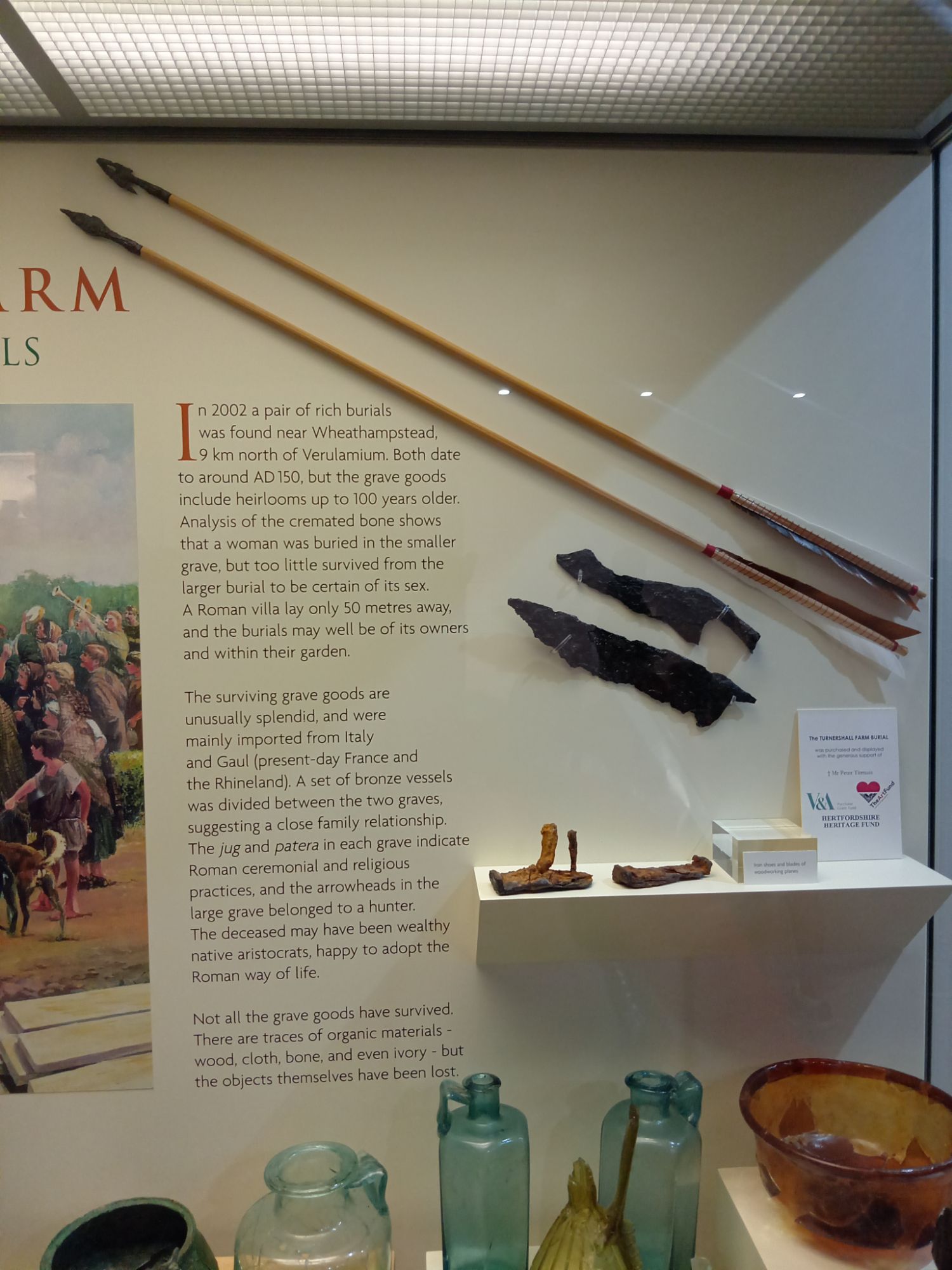
What does “Verulamium” mean in Latin? The etymology is not clear but the name has been reconstructed as *Uerulāmion” – which would have a meaning such as “The Tribe or Settlement of the Broad-Handed People“. This is a pre-Christian name – with “Uerulāmos” being Brittonic (or “Celtic”). The Romans seem to have spelt-out the British (Celtic) name in Latin script. This Roman Town seems to have existed from around 50 CE – 410 CE.
 SANGHA KOMMUNE (SSR)