READ ARTICLE HERE: Communism as Bodhisattva Activity Although in the West Buddhism has been hijacked and distorted by a capitalist, bourgeois agenda, in large parts
Tag: Vinaya Discipline
Two Interpretations of the Buddha’s Middle Way (Majjhima Patipada)
From 1931 to 1945, Master Xu Yun witnessed the barbaric behaviour of invading Japanese troops in China, and he associated this barbarism with Japan’s abandonment of the Vinaya Discipline.

On Why Ch’an Master Xu Yun (1840-1959) Rejected Japanese Zen
Interesting to read the attacks on Xu Yun’s age (purported to have been 120 years of age at his death) emanating from pro-Western Taiwan Chinese
Ch’an Master Jing Hui – History of Master Xu Yun’s Complete Biographical Text
What must not be forgotten is that Xu Yun’s biography is not just a ‘dry’ text of historical information, but also records and transmits the genuine Ch’an Dharma to all of humanity. I call on all beings to read this completed (2005) edition, and record and report any errors that might become apparent. If we all do this, then eventually Xu Yun’s biography will become a near perfect text, like the classic books of the past, only relevant for the modern age – Ch’an Master Jing Hui
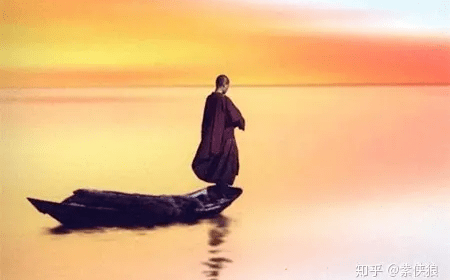
The Sangha Kommune (僧伽公社) – A Place of Spiritual and Physical Growth! (Founded 16.2.2010)
The Chinese Buddhist monastic community is referred to as a ‘Sangha’ (Sanskrit for ‘spiritual community’), whereby men and women form a voluntary association premised upon following a strict set of rules known as the ‘Vinaya Discipline’. Within this community, there is ‘equality’ between all members, with the leaders being those who have followed these rules for the longest times. This is because such people are thought to have more experience at adhering to the Vinaya Discipline (which includes celibacy and vegetarianism), and are therefore able to effectively advise all others through the difficult times they my face in their practice. As those with little experience have less to share, they are not considered leaders whilst more experienced practitioners live in the vicinity.
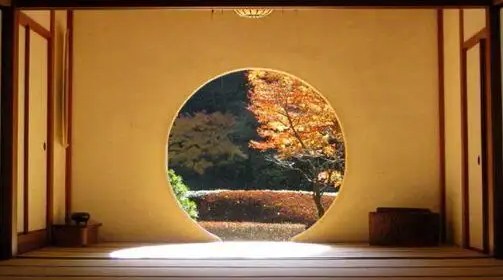
The Zen of No Ch’an
Needless to say, the traditional Chinese Ch’an Buddhist – Master Xu Yun – had no formal or informal ties or connections to Japanese Zen Buddhism, and never practised (or advocated others to practice) a Japanese Zen that does not follow the Vinaya Disciple, and which deviates from established Ch’an practice.
 SANGHA KOMMUNE (SSR)