Many Non-Han People Visited the Noth-West Region!

China: Ancient Silk Road Museum of Underground Tombs Complex – Opens in Xinjiang! (16.7.2024)

A large cache of pottery and bone ware and coins unearthed from the tombs are also on display in the museum.

“The museum makes full use of the original appearance of the tombs, as well as digital exhibition, VR technology and touch screens to offer the audience an immersive experience of the ancient Qiuci,” said Feng Wei, deputy curator of the museum.

According to the Xinjiang regional institute of cultural relics and archaeology, four excavation rounds were carried out from 2007 to 2023 at the site in Kuqa, which led to the discovery of more than 2,000 relic sites. In addition to the tombs, there are wells, cooking stoves and other relics dating from the Spring and Autumn Period (770-476 BC) up to the Ming and Qing dynasties (1368-1911).
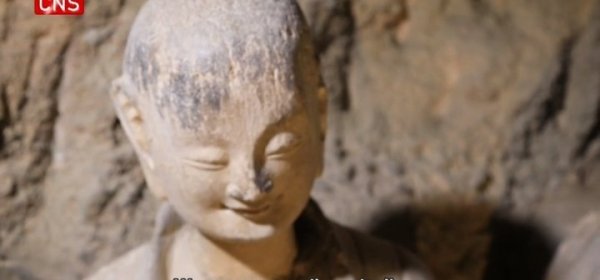
China: Gansu Buddhist ‘Smile of the Orient’ Said to Equal That of the ‘Mona Lisa’! (5.9.2023)

The early Buddhist groups in China mirrored that of the extant Confucian scholiastic system – often forming around married laymen – with disciples taking the surname of the teacher as their ‘Dharma-Name’ and essentially becoming an extension of his family. Grottoes such as that featured below were places where Buddhists could meet, share and practice their understanding of Indian Buddhist philosophy. An understanding of Buddhist monasticism started to arrive and distinguish itself in China from the existing lay-practice around the 5th century CE – the date I believe this ‘smiling’ monk appears to date from. Whereas Buddhist lay-practitioners did not shave their heads (like Daoists and Confucians) – monastic Buddhists (male and female) were required to shave their heads – indicative of their ‘rejecting’ of the desire-laden conventions that define, guide and justify the external world.