Dear B The traditional Ch’an answer is that the only concern for a Ch’an Teacher is that the Student or Dosciple directly perceives the empty mind ground at all times –

Proletariat Blogging in the Heart of (UK) Predatory Capitalism! Exploring the Interface between Matter and Perception, Chinese Buddhism, Daoism, Hakka Ethnography, and All Aspects of Radical Politics, History, Psychology and Philosophy – 全世界无产者联合起来!
Dear B The traditional Ch’an answer is that the only concern for a Ch’an Teacher is that the Student or Dosciple directly perceives the empty mind ground at all times –
The Theravada School is one tradition of at least eighteen lineages that developed from the teachings of the single Buddha. Each of these schools differed
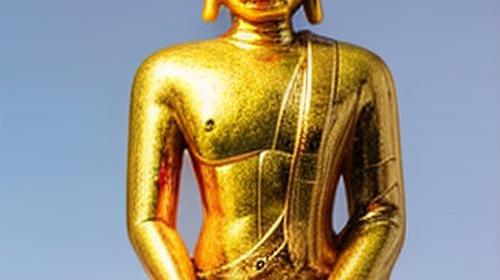
Most lay-people, however, practice Buddhism whilst being married, having children and holding-down a job. Even so, and despite all the extra entanglements and barriers of commitment, the Buddha still stated that lay-people, if devoted to their practice, can still realise enlightenment, even though it is not an easy task. A male lay-follower of the Buddha is referred to as an ‘Upasaka’, and a female practitioner as an ‘Upasika’. These two terms refer to ‘lay’ practitioners that sit near to the Buddha (or his monastics) and ‘listen’ carefully (and with respect) to the Dhamma instruction being explained. These ‘lay’ practitioners then go back to their homes and carefully recall (and record) the Dhamma lesson which they put into their daily practice. However, the crux of this article is about two other categories of ‘lay’ person explained by the Buddha in his Suttas, but which are not often mentioned within Western discourse. This means that the Buddha actually explained ‘six’ (6) categories of human-beings in his Suttas – with four referring to his followers – and two to ‘non-believers’. Who are these ‘non-believers’, and why did the Buddha bother to explain their presence?

Dear Gillian When I sit quietly, reality is a direct experience. It is deep, loving, caring and boundless. There is a ‘source’ but language cannot

By Adrian Chan-Wyles PhD Knowing emptiness, deluded vision is purified;Contemplating loving kindness, behaviour is perfected,Understanding the unity of multiplicity is meditation;And the ultimate goal is
‘The oldest account of the history of the Order after Buddha’s death is in the last two chapters of the Cullavagga of the Vinaya, which give the

