An interpretive error perpetuated by many hard materialists is that spiritual states do not exist. This, I believe, is category error. Spiritual states do exist

Proletariat Blogging in the Heart of (UK) Predatory Capitalism! Exploring the Interface between Matter and Perception, Chinese Buddhism, Daoism, Hakka Ethnography, and All Aspects of Radical Politics, History, Psychology and Philosophy – 全世界无产者联合起来!
An interpretive error perpetuated by many hard materialists is that spiritual states do not exist. This, I believe, is category error. Spiritual states do exist

This is very much a loaded question. Why does a man who rejects the greed and oppression inherent within the capitalist ideology (just as Jesus
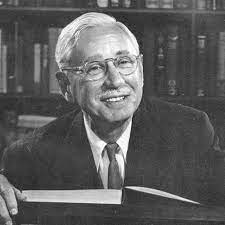
Will Durant (1885-1981) was a White, Christian, bourgeois American with slight leftist-leanings, whose historical academic output must be treated as idiosyncratic and the product of
I have no interest in the business that is Energy Medicine (indeed, I believe all healing should be ‘free’), and even less interest in this
Dear Prof. Z Thank you for yet again another intriguing email. I thank you for remembering my text. I read much about Marxism in Chinese
Einstein’s knowledge of Buddhism comes mainly from Schopenhauer. There is no evidence that Einstein understood Buddhism in its Asian cultural context, or through its broader philosophical implications.
 SANGHA KOMMUNE (SSR)