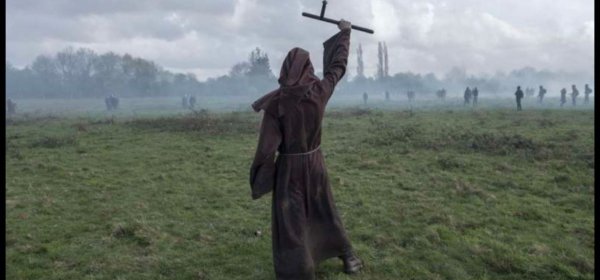
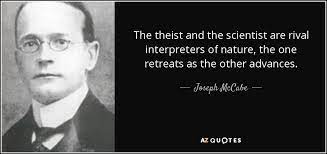
Sometime ago I was introduced to Joseph McCabe. In 1883 in the UK (aged 15) he entered a Franciscan Monastery in the UK. He trained for
Proletariat Blogging in the Heart of (UK) Predatory Capitalism! Exploring the Interface between Matter and Perception, Chinese Buddhism, Daoism, Hakka Ethnography, and All Aspects of Radical Politics, History, Psychology and Philosophy – 全世界无产者联合起来!
Sometime ago I was introduced to Joseph McCabe. In 1883 in the UK (aged 15) he entered a Franciscan Monastery in the UK. He trained for
Li Ji Shen referred this dispute to Zhou Enlai (who discussed it with Mao Zedong), and it was agreed that Xu Yun was correct. This decision was taken because at the time certain members of the international community were attacking China with regards to human rights issues. From that day onwards, traditional Chinese religion has been protected under law.
. This paradox is premised upon the understanding of the existence of ‘form’ in emptiness. However, none of this is possible without the cultivation of profound wisdom, compassion, and loving kindness, all of which is required if the mind is to turn around at its deepest level and regain a correct and true conscious awareness. The further paradox is that emptiness is not ‘nothing’, and that consciousness cannot exist without an object.
‘Of course, the act of physically changing one’s environment for another inevitably has the consequence of a change of mind itself. For many ordinary beings this change of mind through experience is simply the process of the cognising of new sense-data – to be stored alongside similar sense-data previously acquired. For the Buddha himself, the change of physical experience led to the development of the immense urge within him to seek the answer that reconciled all physical experience, regardless of the nature of that experience itself.’