The universe began from an event which human understanding knows to have happened, but which is difficult to define. Space and time suddenly emerged for
Proletariat Blogging in the Heart of (UK) Predatory Capitalism! Exploring the Interface between Matter and Perception, Chinese Buddhism, Daoism, Hakka Ethnography, and All Aspects of Radical Politics, History, Psychology and Philosophy – 全世界无产者联合起来!
The universe began from an event which human understanding knows to have happened, but which is difficult to define. Space and time suddenly emerged for
In a very real sense, materially based science has seen beyond its own limited methodology, and proven its original models of the physical universe to be redundant. Simply put, (and a point of argument correctly made by the idealists and religionists), matter is not what humanity thinks it is.

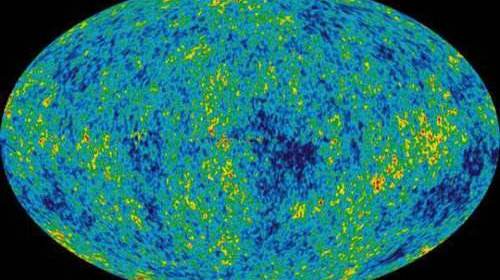
here Did the First Light in the Universe Come From? Astrophysicists Now Know This is a photograph showing the first light ever-present in the universe,
Marx rejected the mechanistic view because it suggested nothing could be changed, and he rejected metaphysical view because he recognised the existence and purpose of a human consciousness – even if it is generated from the brain and conditioned by outer circumstances and events.
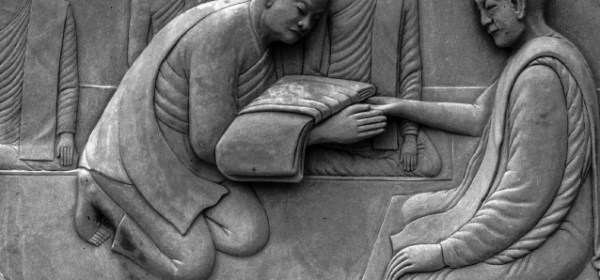
Chinese transliterations and translations are useful as the early Chinese scholars had to understand the Indian Pali and Sanskrit terms before they could be rendered effectively into the Chinese language. Obviously, some of the early transliteration of Indian Buddhist terms are purely ‘phonetic’ in nature and in themselves do not convey much meaning as ideograms. This represents an initial process of a slow, careful and gradual building-up of knowledge in China about a thoroughly ‘foreign’ Indian philosophy that had to develop an ‘interface’ with existing Chinese culture.
Dear N Thank you for your very interesting Plotinus quotation and Nagarjuna-related question. The tetralemma of the Indian Buddhist monk Nagarjuna states: 1) All exists.
 SANGHA KOMMUNE (SSR)