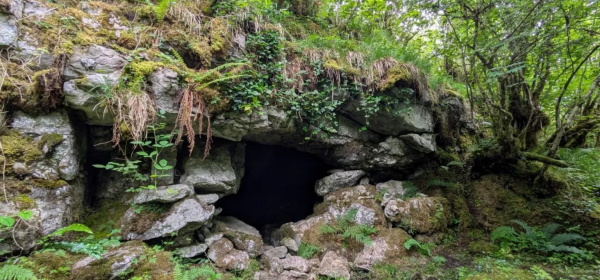
Eight of them were found to have cave art which they believe dates from at least 15,000 years ago and possibly much earlier, and around 5,000 years before the previous oldest example of humans in Ireland.
The team are currently unwilling to be more precise about the location of the caves, for fear that they may be vandalised or looted.
“We know that modern day south Wales was settled from around 35,000 to 40,000 years ago, by intrepid early modern humans from southern England, France and Spain, crossing the then dried-up land bridges of the English and Bristol Channels – seasonally settling in caves along the inhabitable strip of land stretching from Chepstow to St Davids,” said Nash.
“Over 20,000 years their art progressed from primitive line drawings which may have been early tally charts, to more figurative and representative depictions of the world around them, and what we’ve found in Ireland is yet another progression from that.”
The rock art which the Lost Land Bridge Project has uncovered includes engravings on the cave walls, paintings in ochre and charcoal and line sketches indented into clay and earth by fingertips.

