What makes his death significant is that his murderer was never really brought to justice and that some in authority supported this for political reasons.
The “riotous mob” was in fact more than 400 soldiers on the rampage and the words “found death” on his gravestone were used rather than murdered.
Why was this? It was 10 years later that Sergeant Green’s murderer, when arrested in Canada on another offence, admitted his guilt.
By then Scotland Yard was not really interested and a prosecution was never considered. What caused this apparently callous action and why was justice not pursued as vigourously as we might have expected?
Throughout the Great War, many troops from the British Empire had fought with distinction. Canada produced about 600,000 men from 1914-18, taking 210,000 casualties, with over 56,000 dead.
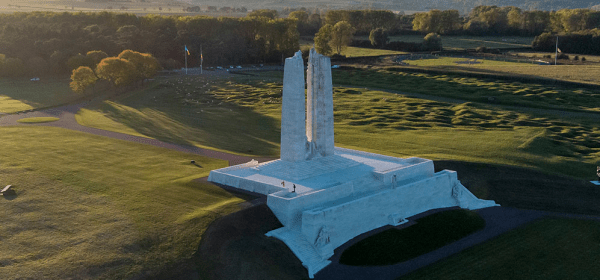
They were awarded 63 Vicoria Crosses. The awesome Vimy Ridge memorial in northern France bears testimony to their bravery and loyalty during that dreadful period.
However, when war ended in November 1918, many troops, easpecially those from overseas, expected to be de-mobbed and repatriated as quickly as possible. Unfortuanely this did not happen.
In fact de-mobilisation plans had been in the Government’s thoughts since 1917.
War Secretary Lord Derby thought that in order to help the country’s economy, the most skilled workers should be released first into the key industries.
However these were the very workers who had been the last to be conscripted and the unfairness of this caused small scale mutinies within the British Army in Calais, Folkstone and London.
This inequitable system was changed by the new Minister of War – a certain Winston Churchill – in January 1919.
He decided men should be de-mobbed on the basis of age, length of service and number of wounds received. This in effect was a “first in- first out” policy.
This worked well for British troops, but Dominion troops were left hanging around for months. In March 1919 disgruntled Canadian troops rioted in Rhyl and this was repressed only after a number of men had been killed.