Alchemy: Phlogiston – A Retrospective! (10.4.2023) 

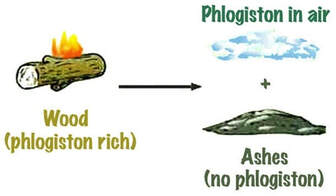
I think the theory of ‘Phlogiston’ was a good first effort and is certainly more realistic than suggesting that a disembodied theistic entity is controlling everything ‘from afar’ just as an act of arbitrary will! This theory even covered the human-breath – which was ‘hot’ because ‘Phlogiston’ was being ‘breathed-out’! If not enough ‘Phlogiston’ was breathed-out – then the human body would literally ‘burn-up’ and a fever would develop! Of course, modern Chemistry has replaced Alchemy and has long since washed away virtually all of the original foundation that once formed the bulwark of human logic in the face of theological domination. It is now understood that when substances ‘burn’ – nothing is ‘given-up’ – but rather a chemical reaction is experienced. Combustion is a chemical reaction that rapidly combines various substances with oxygen – generating heat and light in the form of a flame as a useful by-product. Whereas the ‘inverted’ thinking of religiosity was inadvertently retained through the theory of ‘Phlogiston’ (i.e., ‘something is lost’) – the non-inverted reality regarding the correct scientific interpretation of combustion – is that ‘something is gained’! This demonstrates just how powerful outdated or outmoded systems of thought are – even if it is believed that certain approaches to understanding reality have been firmly rejected and left in the past.  
Ancient Greece: How Amazon Women Altered Their Bodies to Prepare for War! (26.7.2022)

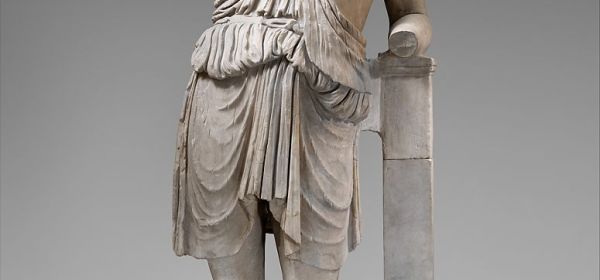
An obvious etymology of their name, “breastless,” suggested the belief that they used to burn off the right breast that they might the better draw the bow. In the Iliad Priam tells how he fought against their army in Phrygia; and one of the perilous tasks which set to Bellerophon is to march against the Amazons. In a later Homeric poem, the Amazon Penthesilea appears as a dreaded adversary of the Greeks at Troy. To win the girdle of the Amazon Queen was one of the labours of Heracles. All these adventures happened in Asia Minor; and, though this female folk was located in various places, its original and proper home was ultimately placed on the river Thermodon near the Greek colony of Amisus. But Amazons attacked Greece itself. It was told that Theseus carried off their Queen Antiope, and so they came and invaded Attica. There was a terrible battle in the town of Athens, and the invaders were defeated after a long struggle. At the feast of Theseus the Athenians used to sacrifice to the Amazons; there was a building called the Amazoneion in the western quarter of the city; and the episode was believed by such men as Isocrates and Plato to be as truly an historical fact as the Trojan war itself. The battle of the Greeks with Amazons were a favourite subject of Grecian sculptors; and, like the Trojan war and the adventure of the golden fleece, the Amazon story fitted into the conception of an ancient and long strife between Greece and Asia.’

1 2