On a personal note, I am neither opposed to the paranormal, or to religion for that matter, and think both are interesting human constructs within their own particular historical and cultural contexts. However, I am a staunch supporter of objective science as a means for discovering and developing genuine knowledge. It is objective science that must prove the paranormal to be real – not idealism or personal opinion.
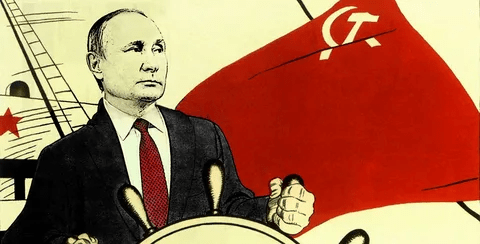
Why Putin Bothers the West! (29.7.2017)
The other reason that ‘bothers’ the West is that the Communist Party of Russia remains incredibly popular throughout the country and holds around one-third of the elected seats in the State Duma – and it is not beyond the realms of possibility that Russia might well ‘elect’ a Communist Government should Putin be over-thrown.
Fijian Troops at China’s 70th Victory Over Japan Parade (2015)
After fleeing to Taiwan in 1945, Chiang Kai-Shek unleashed a murderous campaign against the non-Chinese indigenous population (that resisted what they saw as a ‘Chinese’ invasion), and a initiated a ‘White Terror’ campaign that lasted decades, murdering thousands of Chinese people suspected of having leftwing sympathies.
British (Black) Boxer Len Johnson (1902-1974) and Paul Robeson
Len Johnson had nothing but praise for Paul Robeson, particularly as Robeson had made it clear to Johnson that if he could fight so well inside the ring, he could apply his mind to fight equally well outside of it!
The Eurocentric Myth of John Titor: ‘White’ American Time-Traveller
For a non-White person reading Titor’s posts, it is obvious that the narrative that he builds for the future is ethnically biased and symbolic of contemporary racist attitudes prevalent amongst many White communities. This should not be surprising for a man who does not even know the Slavic origins of his own surname.
What is Spiritual Bliss?
Within Buddhism, the realisation of a ‘still’ mind is also accompanied by a sense of psychological completeness and physical tranquillity. What is this feeling of bliss?
 SANGHA KOMMUNE (SSR)