
![Out Sweeps [1978] - P Lund & H Ludlam Pages 13-24](https://thesanghakommune.org/wp-content/uploads/2025/05/splund26hludlampage42301126874173453299.jpg?w=2000)
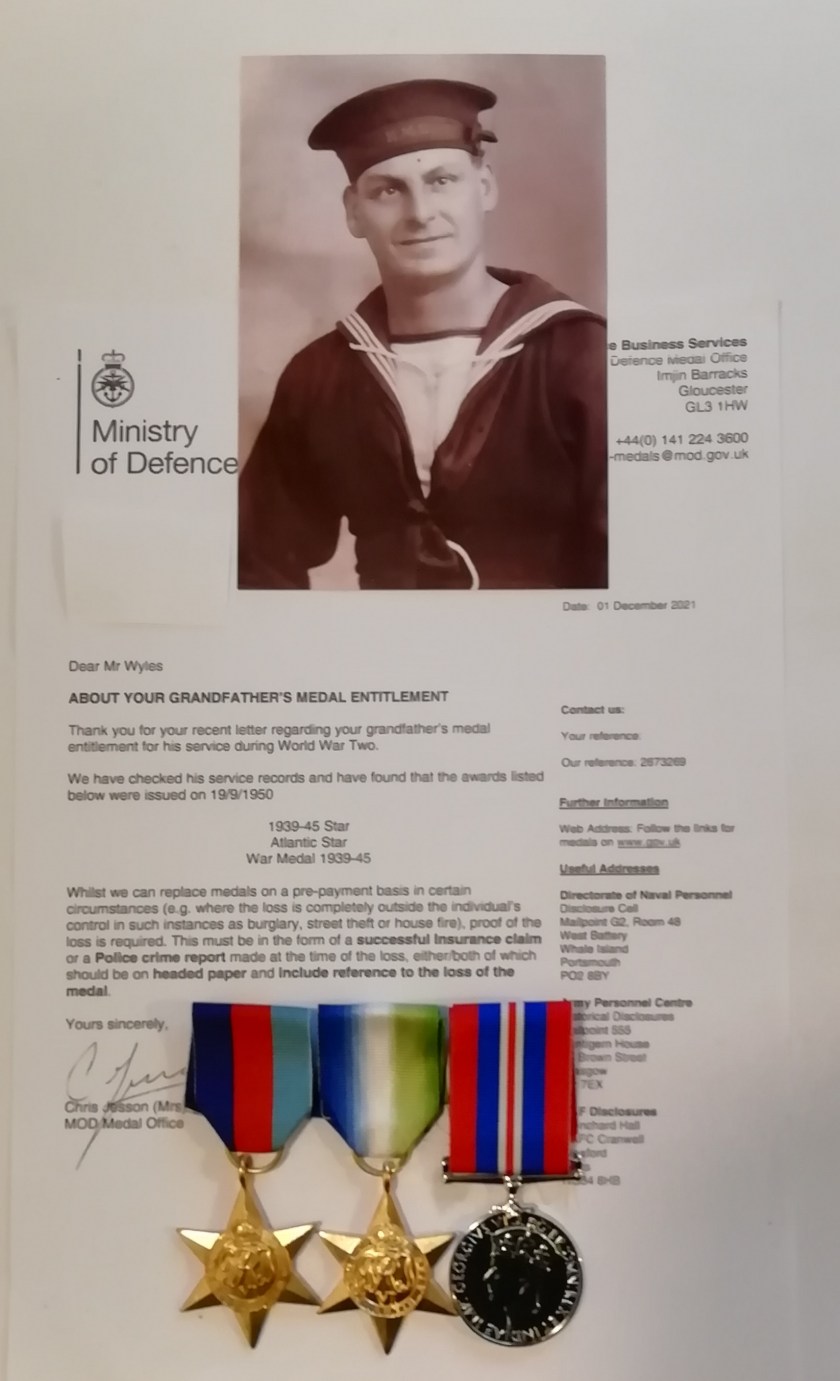
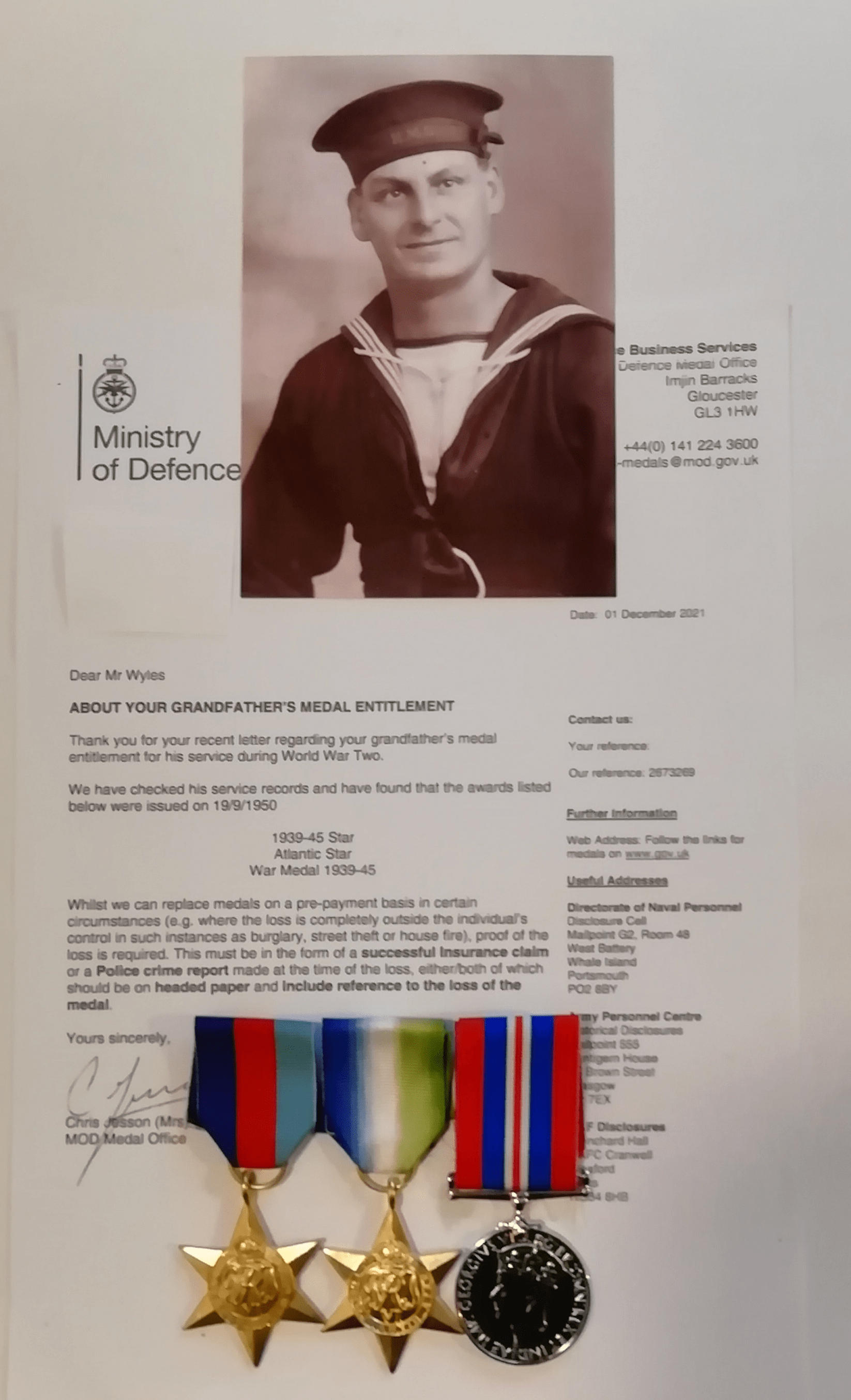
My maternal grandfather – Arthur Gibson (1911-1997) – served in the “Royal Navy Patrol Service [RNPS] from 1941-1946. (His family was bombed-out of Lewisham in East London by Hitler’s Luftwaffe in September, 1941 – and although evacuated to be with a relative in Oxford – they possessed only the clothes they were wearing)). He was on continuous frontline duty from 1942-1945 in the North Atlantic Theatre – operating North of Scotland – around the Outer Hebrides (including the islands of Rum, Egg, and Muck). He trained around Lowestoft and Plymouth, amongst other places – and was stationed the HMS Beaumaris Castle – a converted fishing trawler. Trawlers were plentiful and in their thousands were commandeered by the Royal Navy to form a highly manoeuvrable and adaptable naval shield operating around the British coastline as mine-sweepers. The fishing gears was removed, and the British government quickly converted these tough little all-weather fishing-boats to sweep-mines, although some trawlers were also fitted-out to detect Nazi German U-Boats – and drop depth-charges.
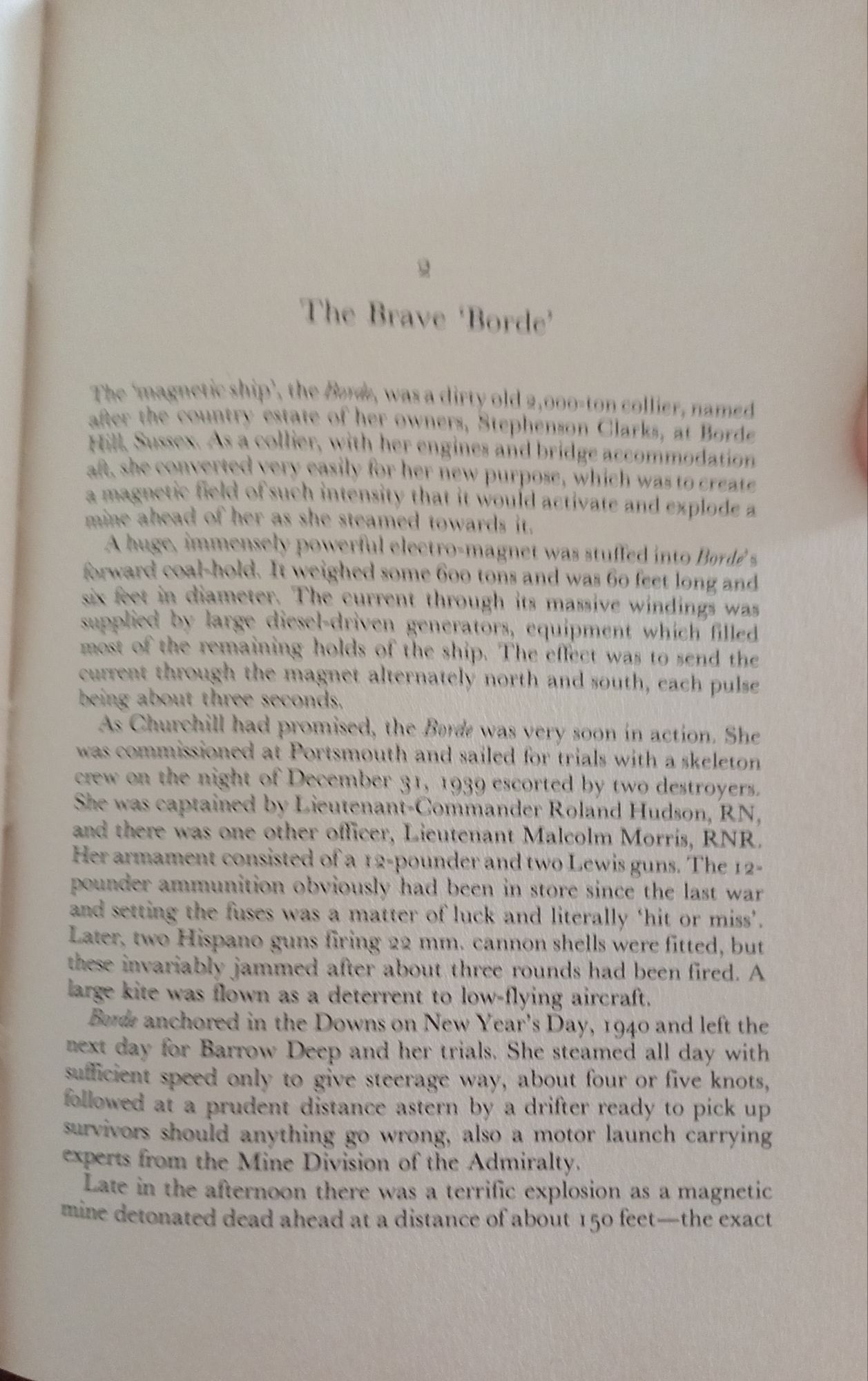
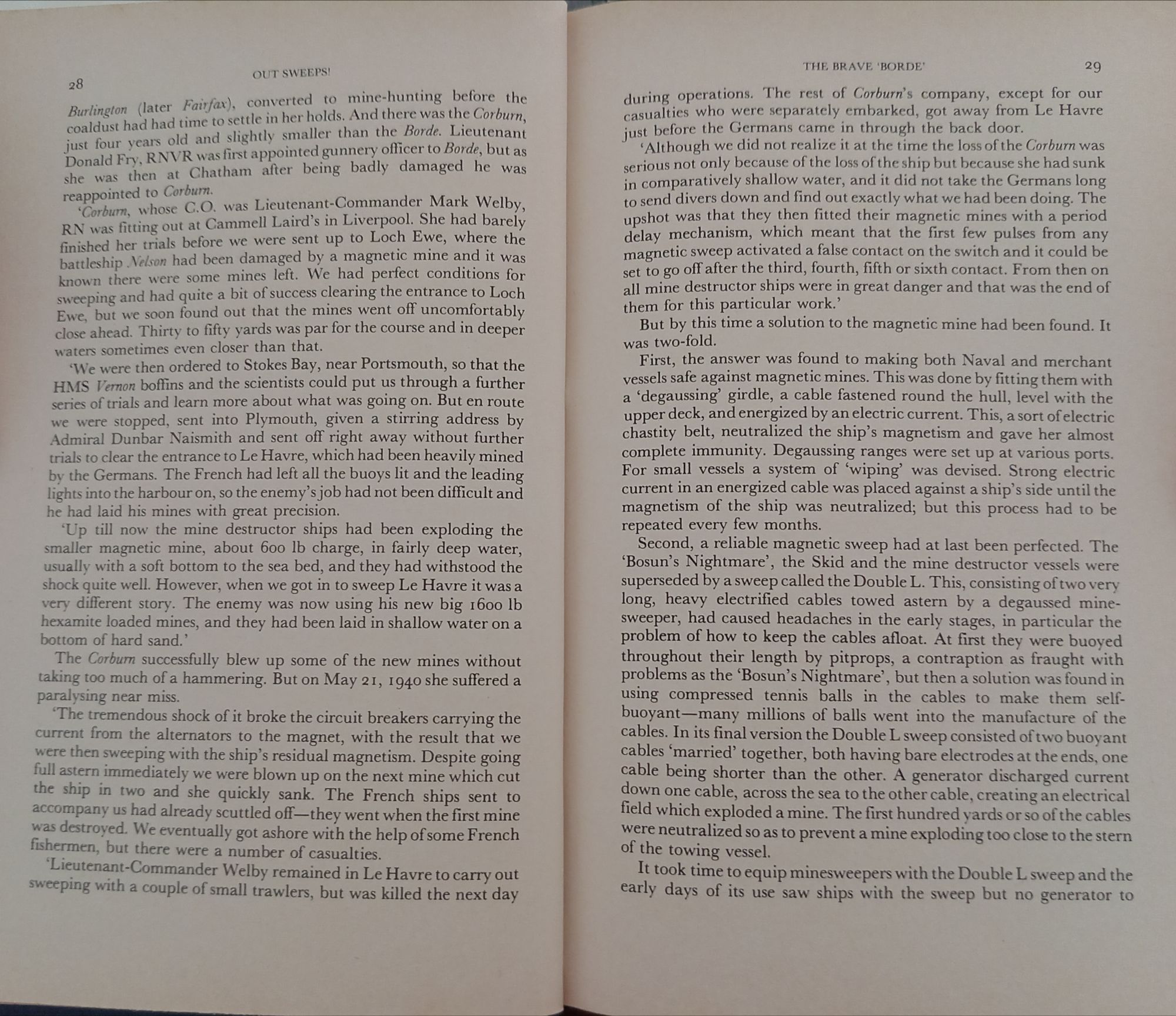
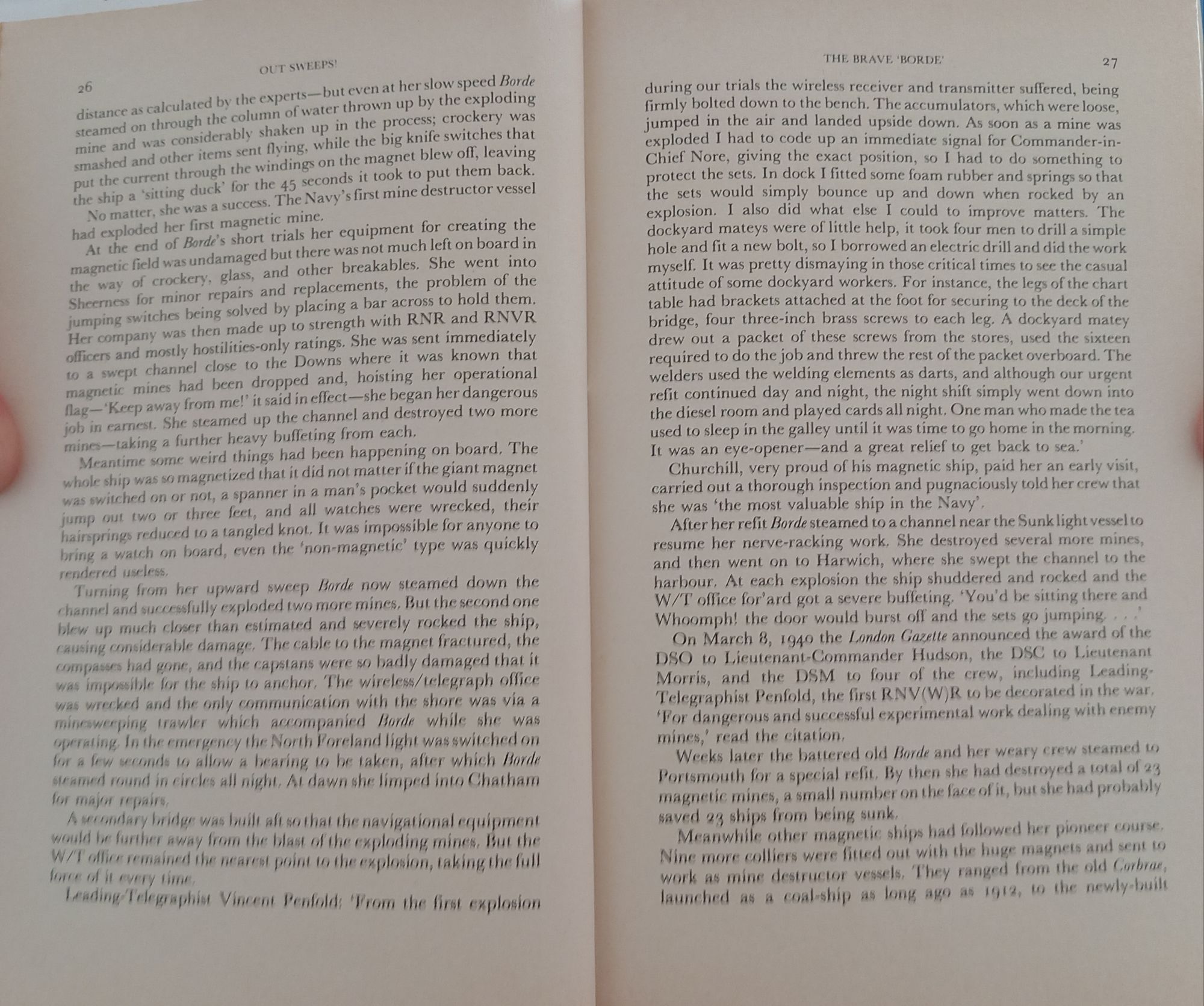
I have written in-depth elsewhere about the structure of the Flotilla – and episodes such as the RNPS sailors standing guard at British Army Bases in Scotland, etc. My mother – Diane Wyles – found the old and out of print book above – and this covers the entire Royal Navy effort of mine-seeping both around the British Isles and elsewhere throughout the world. I believe the RNPS patrolled only the UK coastline – whilst the Royal Navy proper carried-out exactly the same function using purpose-built mine-sweeper military ships all over the world. I think the Royal Navy and RNPS acted in parallel around the UK – as I remember two Royal Navy ships working at exactly the same time during WWII – both holding exactly the same name of “HMS Beaumaris Castle” (but with different registration numbers). The point was that the war with Nazi Germany caught the UK government by surprise and there was not enough time (nor was there the resources) for the government to build proper military-grade mine-sweepers. Fishing vessels were acquired and thousands of volunteers called for to immediately defend the UK coastline. Those men who volunteered were permitted to “choose” to serve in the RNPS – rather than being placed wherever the government most needed men. The above extract sheds light on how the RNPS was first formed in 1939.
 SANGHA KOMMUNE (SSR)