Target News Portal
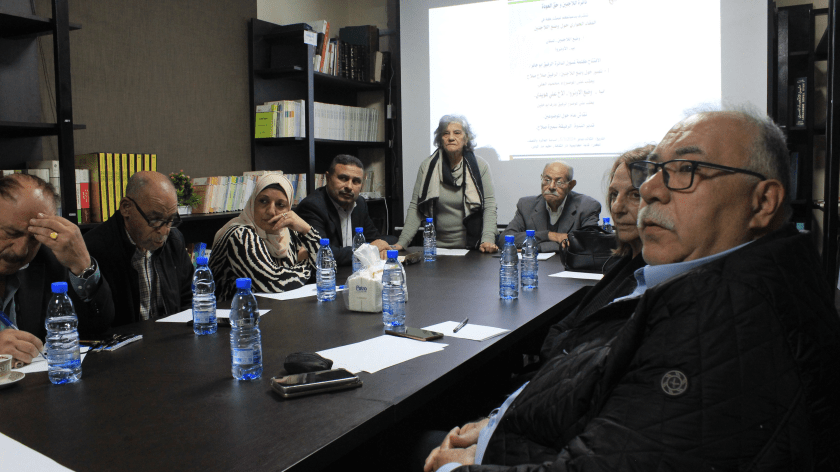
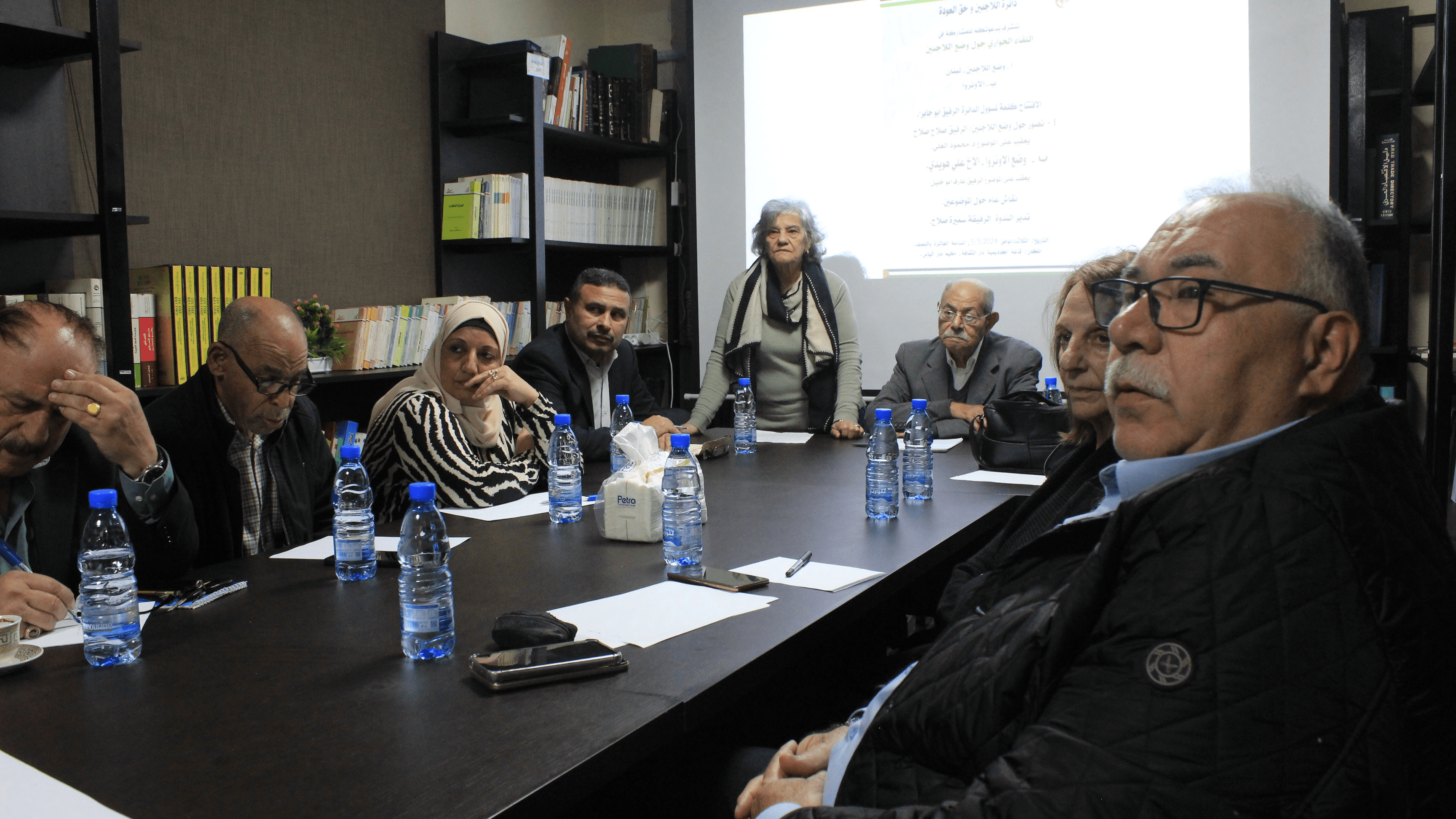
The Refugees and Right of Return Department of the Popular Front for the Liberation of Palestine (PFLP) held a dialogue meeting about the conditions of refugees in Lebanon and their suffering in light of the harsh living conditions, on Tuesday, March 5th, 2024, in the hall of the Dar Al-Thaqafa Academy in Mar Elias Camp in Beirut. There was also a discussion about the situation of UNRWA, which is being subjected to… For unprecedented and focused targeting after October 7th.
The dialogue was moderated by comrade Samira Salah. The opening speech was given by the department official, Comrade Abu Jaber Al-Lubani. Comrade Salah Salah presented a comprehensive vision of the situation of the Palestinian refugees, which constitutes the essence of the conflict with the Zionist entity. Dr Mahmoud Al-Ali also commented on the topic.
Brother Ali Huwaidi also spoke about the situation of UNRWA, its dismantling, and the transfer of its work to development instead of relief, and Comrade Arif Abu Khalil commented on the topic.
Speaking about Palestinian refugees, Comrade Salah Salah explained the political dimension that led to the existence of refugees, which is the long conflict with the Zionist Project that resulted in the rape of Palestine and the displacement of about a million Palestinians around the world.
He stressed that the Palestinian Refugee problem is the focus of the conflict and the symbol of its continuation, as its solution ends with the demand for the right of return, and for this reason, since the early 1950s, projects began to take place under the auspices of the United States of America or on its initiative, to present one project after another, to solve the Refugee problem and reconcile with (Israel) and with the approval of the Arab countries.
Stressing that the Palestinian leadership, which bet on a political solution, was not loyal to the Refugees and did not appreciate their struggle and sacrifices to protect their right to return through liberation, as it worked to offer them alternatives to settlement, displacement, and naturalization in the countries in which they reside or others that accept them.
Comrade Salah Salah also spoke in detail about the conditions of Palestinian Refugees in Lebanon because they are the exception in their suffering and harsh circumstances to the conditions of Palestinian Refugees in other places, reviewing four stages in his reading of the Palestinian presence in Lebanon.
The first stage is the beginning of asylum in Lebanon, which continued until 1958. The primary concern of the Palestinian Refugees at this stage was focused on overcoming their difficult and inhumane economic conditions, and taking advantage of the job opportunities open to them.
Comrade Salah spoke about the Arab Nationalist Movement, which represented a real, effective and reliable reference for the Palestinians in Lebanon, and this is because of its focus on the Palestinian issue and the projects that were proposed for its liquidation, and its interest in the problems of refugees and the struggle with them to address them.
The second stage is the most tragic stage in which the Palestinians suffered in Lebanon, which extended from 1959 until 1969.
Comrade Salah Salah called the third stage the golden stage, in which the impact of the launch of the Palestinian Revolution and its escalation after the setback in 1967 reached Lebanon. A mass uprising took place in April 1969 against the offices of the Second Division, as a symbol of tyranny and oppression. The Lebanese National Movement sympathized with it, and its leaders went out at the head of demonstrations. A huge, unprecedented Lebanese-Palestinian uprising that paralyzed political life in the country did not stop until President Abdel Nasser intervened and reached what was called the “Cairo Agreement.”
The fourth stage was the departure of the Palestinian Resistance and the institutions of the Palestinian Liberation Organizations from Lebanon, which revealed the nakedness and exposed the hidden.
During the dialogue, Comrade Salah discussed the many internal and external wars that Lebanon was exposed to, the most affected of which were the camps, as they were subjected to programmed targeting aimed at pushing their residents into forced migration. He added that some of the camps were completely destroyed and were not allowed to be rebuilt (Nabatieh, Tal al-Zaatar, Jisr al-Basha), some were destroyed and then rebuilt (Ain al-Hilweh, Shatila, Nahr al-Bared), whilst others were partially destroyed (Rashidiyeh, al-Bass, Borj al-Shamali, Borj al-Barajneh).
For his part, Brother Ali Huwaidi spoke about the UNRWA centre being targeted, especially after the 7th of October, pointing out that UNRWA is currently undergoing an intense dismantling process due to the transition of its work from development to relief, in the context of removing the name Refugee as a prelude to ending the Refugee issue and the right of return.
Huwaidi added that the dismantling process comes in the context of demonizing UNRWA through lies and allegations published by the Zionist organization claiming the existence of permanent coordination between some UNRWA employees and the Palestinian Resistance, especially Hamas, stressing that until this moment there is no proof of these allegations.
Huwaidi pointed to the exploitation of the event in the West Bank after the issuance of a law by the (Israeli) Knesset stipulating the closure of the main headquarters of UNRWA in the Sheikh Jarrah neighbourhood, and the issuance of a circular by the occupation to UNRWA employees to evacuate the centres.
He stressed that if there is a closure of UNRWA offices in the West Bank, this will have major repercussions on the UNRWA Foundation as a whole and on its services provided to more than 6 million Palestinians. Also, in the event of a suspension of financial aid from 17 countries, UNRWA is now considered a direct participation in the Zionist war of genocide, collective punishment, and the war of starvation inflicted on the Gaza Strip.
During the discussion, Howeidi spoke about the irony of Guterres forming a Committee to review the work of UNRWA and handing it over to former French Foreign Minister Catherine Colonna, while he did not call for the formation of a Committee to investigate the Zionist aggression on the Gaza Strip, stressing that this expresses an insult to the UNRWA agency from the international organization and a disdain for it – by allowing the formation of investigation committees!
Huwaidi added to the necessity of continuing awareness of the dangers facing the end of UNRWA’s work at the political and humanitarian levels, as America and the Zionist occupation seek to destroy UNRWA in order to undermine the name of “Refugee” – and end the Palestinian Refugee issue.
Palestinian (Arabic) Text:
دائرة شؤون اللاجئين وحق العودة تناقش موضوع الأونروا وأوضاع اللاجئين في لبنان
بوابة الهدف الإخبارية
أقامت دائرة اللاجئين وحق العودة في الجبهة الشعبية لقاءً حوارياً حول أوضاع اللاجئين في لبنان ومعاناتهم في ظل الظروف المعيشية القاسية، وذلك يوم الثلاثاء في الخامس من آذار 2024 في قاعة أكاديمية دار الثقافة في مخيم مار الياس في بيروت، كما دار نقاش حول وضع الأونروا التي تتعرض لاستهداف غير مسبوق وبشكل مرّكز بعد السابع من أكتوبر.
أدارت الحوار الرفيقة سميرة صلاح. وكانت كلمة الافتتاح لمسؤول الدائرة الرفيق أبو جابر اللوباني، قدم الرفيق صلاح صلاح تصوراً شاملاً حول وضع اللاجئين الفلسطينيين الذي يشكل جوهر الصراع مع الكيان الصهيوني، وقد عقّب على الموضوع د. محمود العلي.
كما تحدث الأخ علي هويدي عن وضع الأونروا وتفكيكها وانتقال عملها للتنمية بدلاً من الإغاثة، وعقّب على الموضوع الرفيق عارف أبو خليل.
وفي الحديث عن اللاجئيين الفلسطينيين شرح الرفيق صلاح صلاح البعد السياسي الذي أدى لوجود لاجئين، وهو الصراع الطويل مع المشروع الصهيوني الذي أسفر عنه اغتصاب فلسطين وتشريد حوالي مليون فلسطيني حول العالم.
وأكد أن مشكلة اللاجئين الفلسطينيين هي محور الصراع وعنوان استمراره، فحلها ينهي المطالبة بالحق، ولهذا بدأت منذ أوائل الخمسينات تتوالى المشاريع برعاية الولايات المتحدة الأميركية أو بمبادرة منها لطرح المشروع تلو الآخر، لحل مشكلة اللاجئين والصلح مع (إسرائيل) وبموافقة الدول العربية.
مشدّداً على أن القيادة الفلسطينية التي راهنت على الحل السياسي لم تكن وفية للاجئين ولم تقدر نضالتهم وتضحياتهم لحماية حقهم بالعودة عن طريق التحرير حيث عملت على تقديم بدائل لهم بالتوطين والتهجير والتجنيس في البلدان المقيمين فيها أو آخرى تقبل بهم.
كما تحدث الرفيق صلاح صلاح بشكل مفصل عن أوضاع اللاجئين الفلسطينين في لبنان لأنهم الاستثناء في معاناتهم وفي ظروفهم القاسية عن أوضاع اللاجئين الفلسطينيين في الأماكن الآخرى، مستعرضاً أربعة مراحل في قراءته للوجود الفلسطيني في لبنان
المرحلة الأولى وهي بداية اللجوء إلى لبنان التي استمرت حتى عام 1958 حيث كان الهم الأساسي لللاجئين الفلسطينيين في هذه المرحلة يتركز على التغلب على أوضاعهم الاقتصادية الصعبة والغير إنسانية، والاستفادة من فرص العمل المفتوحة أمامهم
وتحدث الرفيق صلاح عن حركة القوميين العرب التي مثلت مرجعية حقيقية وفاعلة وموثوقة للفلسطينيين في لبنان، وهذا بسبب تركيزها على الموضوع الفلسطيني والمشاريع التي كانت مطروحة لتصفيتها، وإهتمامها بمشاكل اللاجئين والنضال معهم لمعالجتها.
أما المرحلة الثانية فهي المرحلة الأكثر مأساويةً والتي عانى فيها الفلسطينييون في لبنان والتي امتدت من عام 1959 حتى عام 1969
وأطلق الرفيق صلاح صلاح على المرحلة الثالثة مسمى المرحلة الذهبية التي وصل فيها تأثير انطلاقة الثورة الفلسطينية وتصاعدها بعد النكسة عام 1967 إلى لبنان، فحصلت هّبة جماهرية في نيسان 69 ضد مكاتب الشعبة الثانية، كرمز للتسلط والقمع، تعاطفت معها الحركة الوطنية اللبنانية فخرج قادتها على رأس مظاهرات ضخمة شكلت سابقة انتفاضة لبنانية فلسطينية شلت الحياة السياسية في البلد ولم تتوقف إلا بعد تدخل الرئيس عبد الناصر والتوصل إلى ما سمي ” اتفاق القاهرة”
وكانت المرحلة الرابعة بخروج المقاومة الفلسطينية ومؤسسات منظمات التحرير الفلسطينية من لبنان مما كشف العورة وفضح المستور.
وتناول الرفيق صلاح خلال الحوار الحروب الكثيرة الداخلية والخارجية التي تعرض لها لبنان، والتي كان المتضرر الأكبر منها هي المخيمات، حيث تعرضت لاستهداف مبرمج يهدف إلى دفع ساكنيها لهجرةٍ قسرية، وأضاف أن بعض المخيمات جرى تدميرها بالكامل ولم يسمح بإعادة بنائها (النبطية، تل الزعتر، جسر الباشا) وبعضها دمر كلياً وأعيد بناؤه (عين الحلوة، شاتيلا، نهر البارد) وبعضها دمر جزئياً (الرشيدية، البص، برج الشمالي، برج البراجنة)
من جانبه تحدث الأخ علي هويدي عن تعرض الأونروا لاستهداف مركز وخاصة بعد السابع من أكتوبر مشيراً إلى أن الأونروا تتعرض في الوقت الراهن لعملية تفكيك مكثفة لانتقال عملها من التنمية إلى الإغاثة، وذلك في سياق شطب مسمى لاجئ كمقدمة لإنهاء قضية اللاجئين وحق العودة.
وأضاف هويدي أن عملية التفكيك تأتي في سياق شيطنة وكالة الأونروا من خلال أكاذيب ومزاعم نشرتها المنظمة الصهيونية تدعي وجود تنسيق دائم بين بعض موظفي الأونروا والمقاومة الفلسطينية وخاصة حركة حماس ، مشدّداً على أنه حتى هذه اللحظة ليس هناك أي إثبات على هذه المزاعم.
وأشار هويدي إلى استغلال الحدث في الضفة الغربية بعد صدور قانون من الكنيست (الإسرائيلي) ينص على إغلاق المقر الرئيسي لوكالة الأونروا في حي الشيخ جراح، وصدور تعميم من قبل الاحتلال لموظفين الأونروا بإخلاء المراكز.
مؤكداً أنه في حال حدوث إقفال لمكاتب الأونروا في الضفة الغربية سيكون لذلك تداعيات كبيرة على مؤسسة الأونروا ككل وعلى خدماتها المقدمة لأكثر من 6 مليون فلسطيني، كما أنه في حال تعليق المساعدات المالية من 17 دولة تعتبر مشاركة مباشرة في حرب الإبادة والعقاب الجماعي وحرب التجويع على قطاع غزة.
وتحدث هويدي خلال النقاش على المفارقة في تشكيل غوتيرش لجنة مراجعة لعمل الأونروا وتسليمها لوزيرة خارجية فرنسا السابقة كاترين كولونا، في حين لم يدعو إلى تشكيل لجنة للتحقيق في العدوان الصهيوني على قطاع غزة، مؤكداً على أن ذلك يتعبر تطاولاً على وكالة الأونروا من المنظمة الدولية واستخفافاً بها بعد السماح بتشكيل لجان تحقيق.
وأضاف هويدي على ضرورة التوعية المستمرة بالمخاطر المحدقة لإنهاء عمل الأونروا على المستوى السياسي والإنساني، حيث تسعى أميركا والاحتلال الصهيوني إلى تدمر الأونروا لنسف مسمى لاجئ وإنهاء قضية اللاجئين الفلسطينين.
 SANGHA KOMMUNE (SSR)