
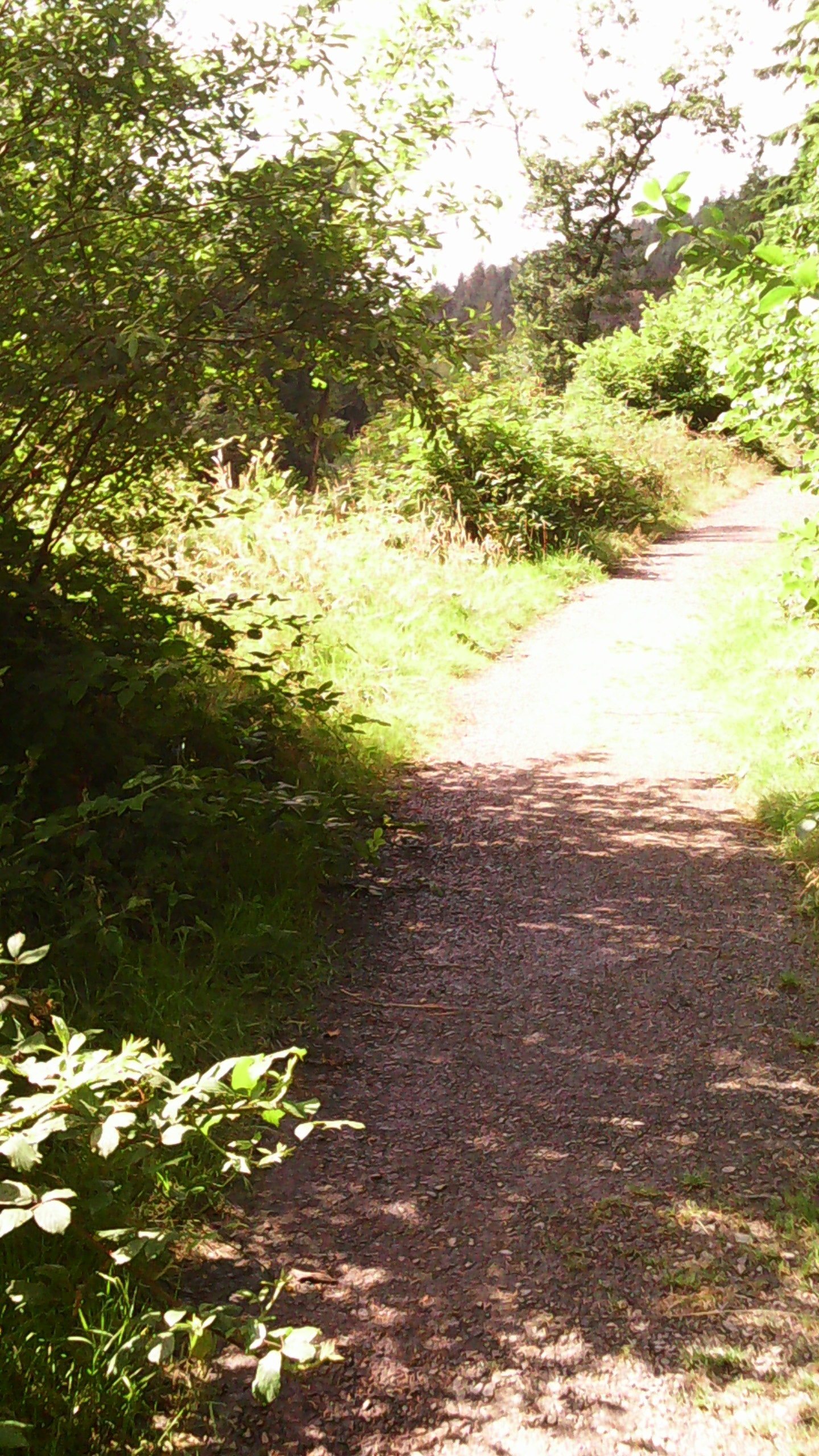
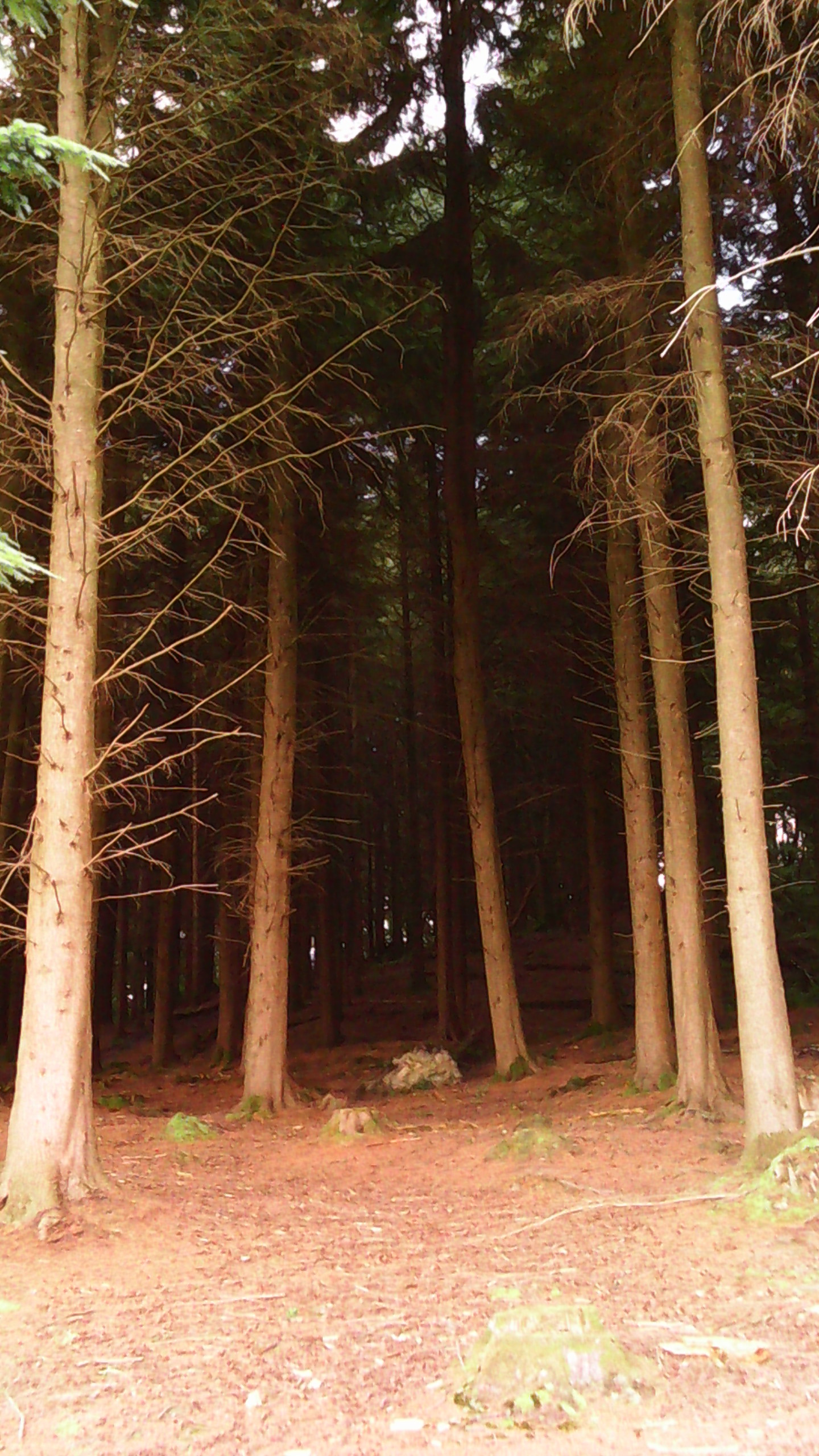
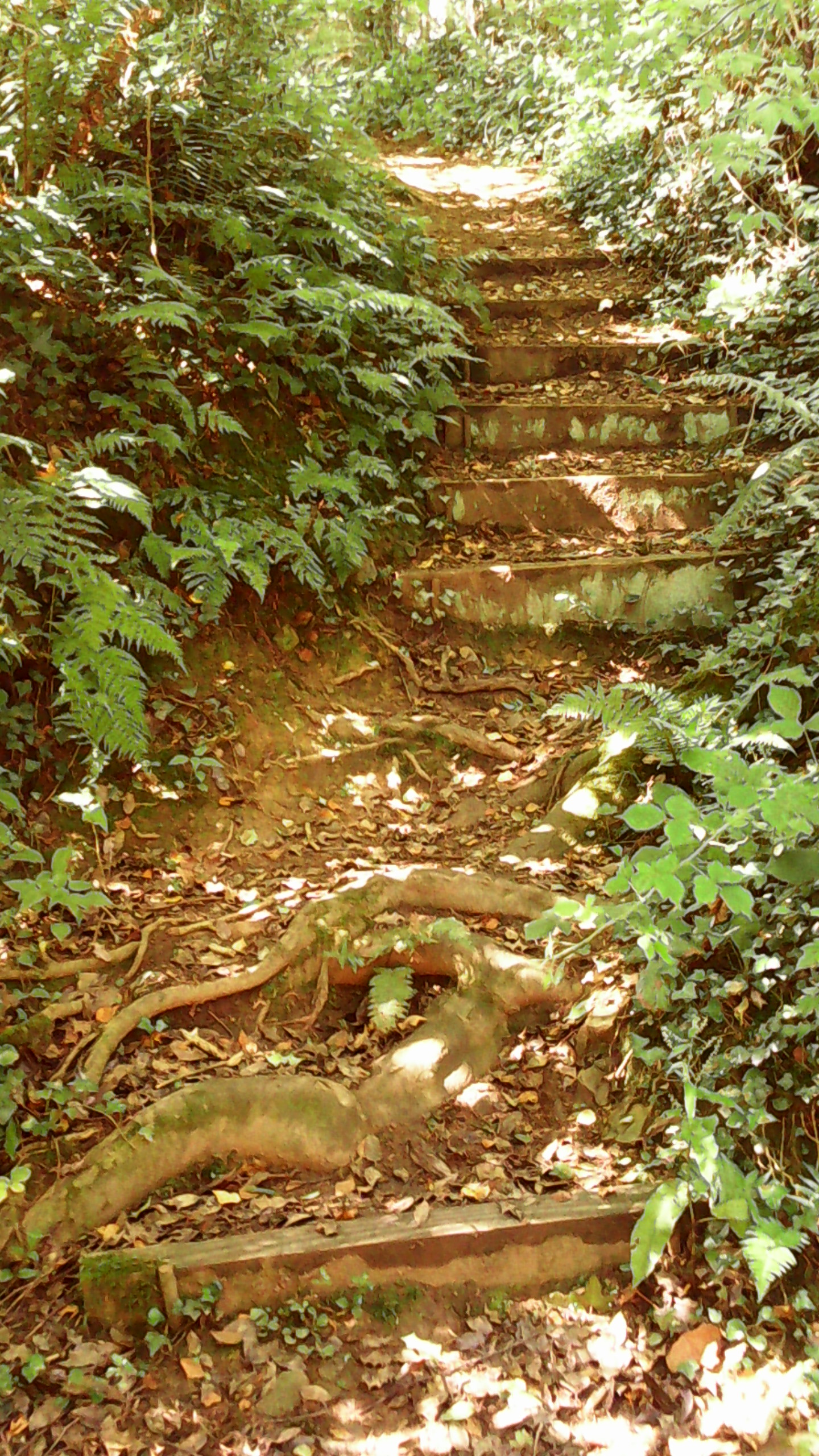
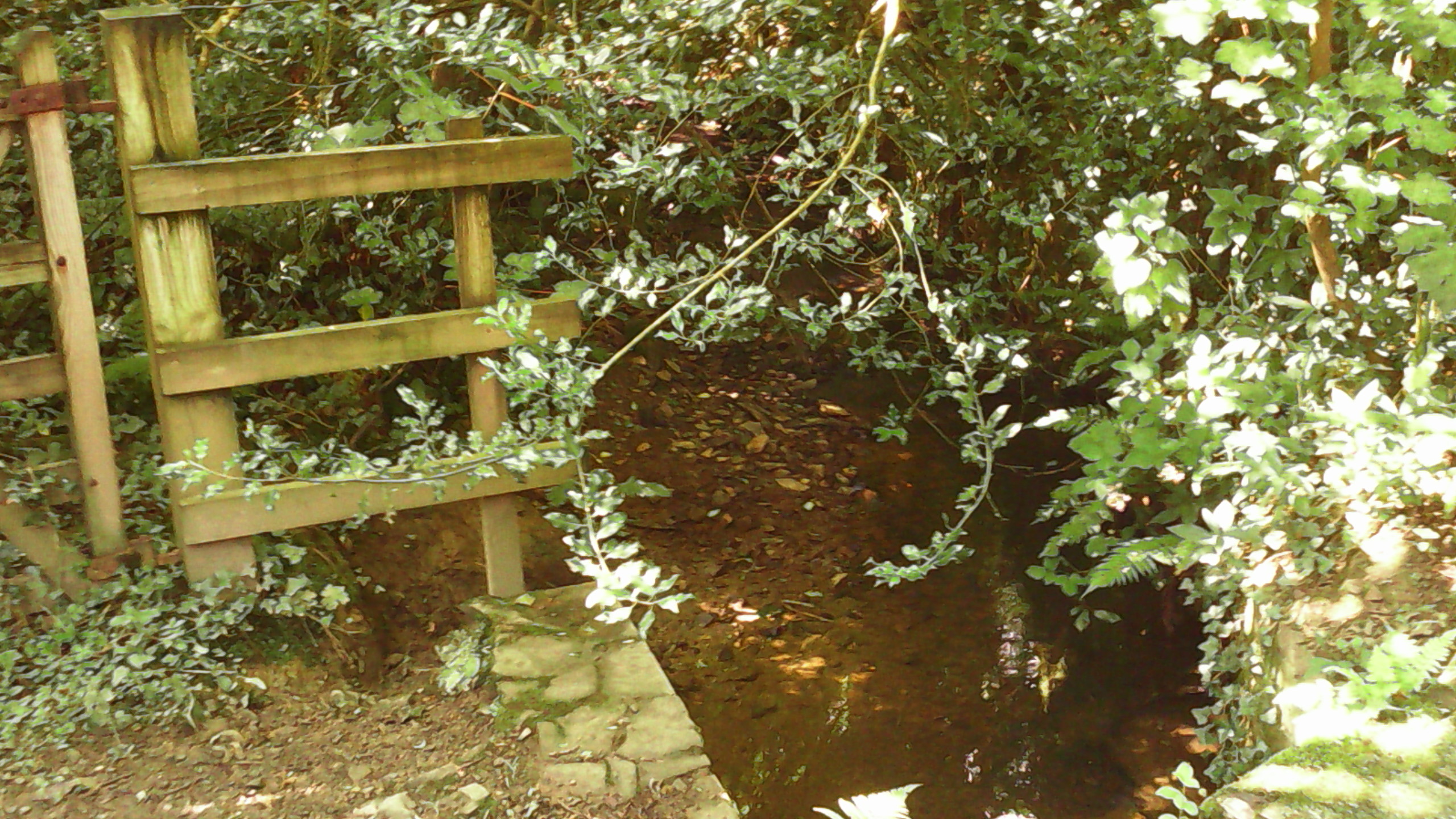
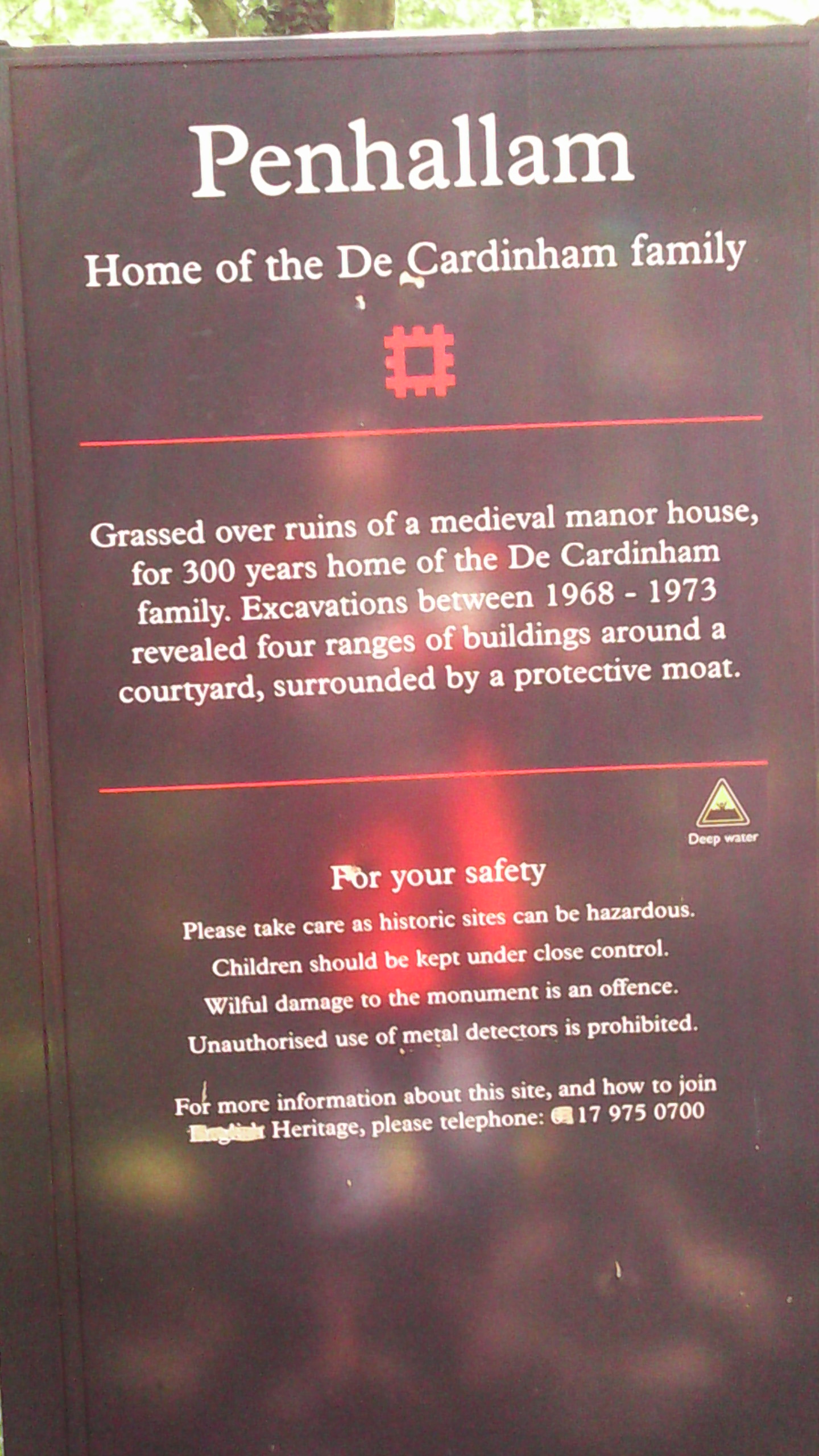
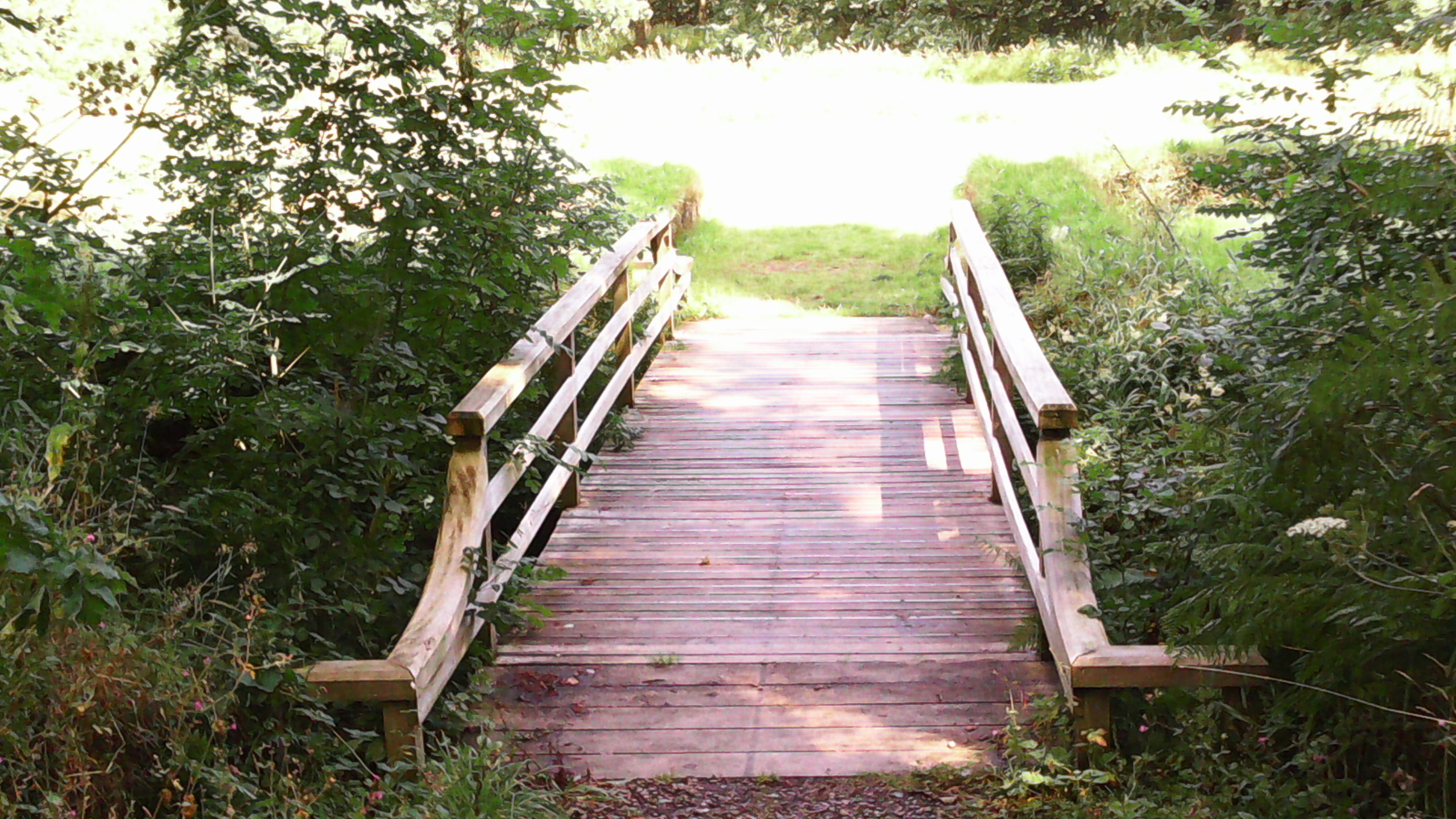
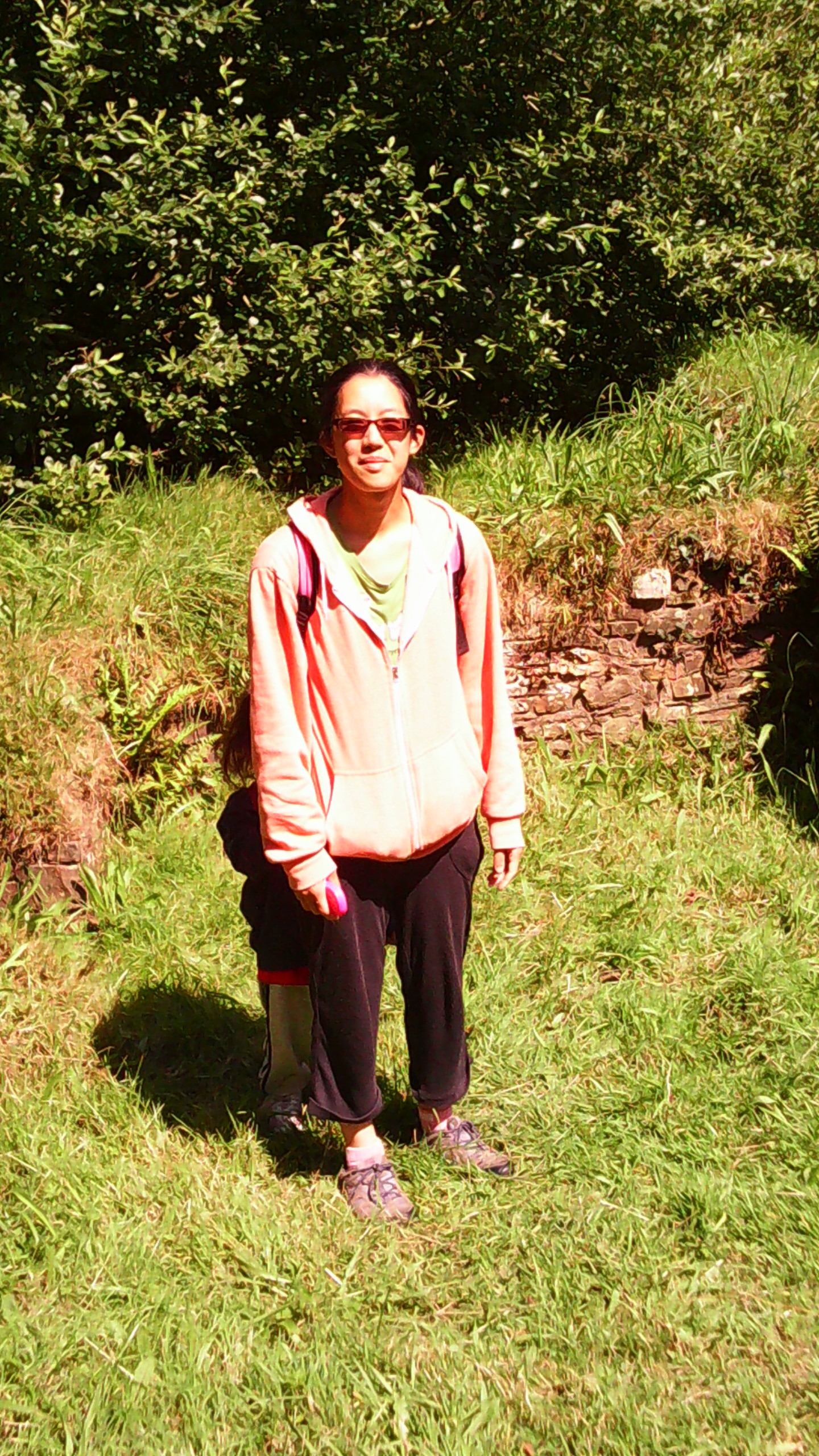
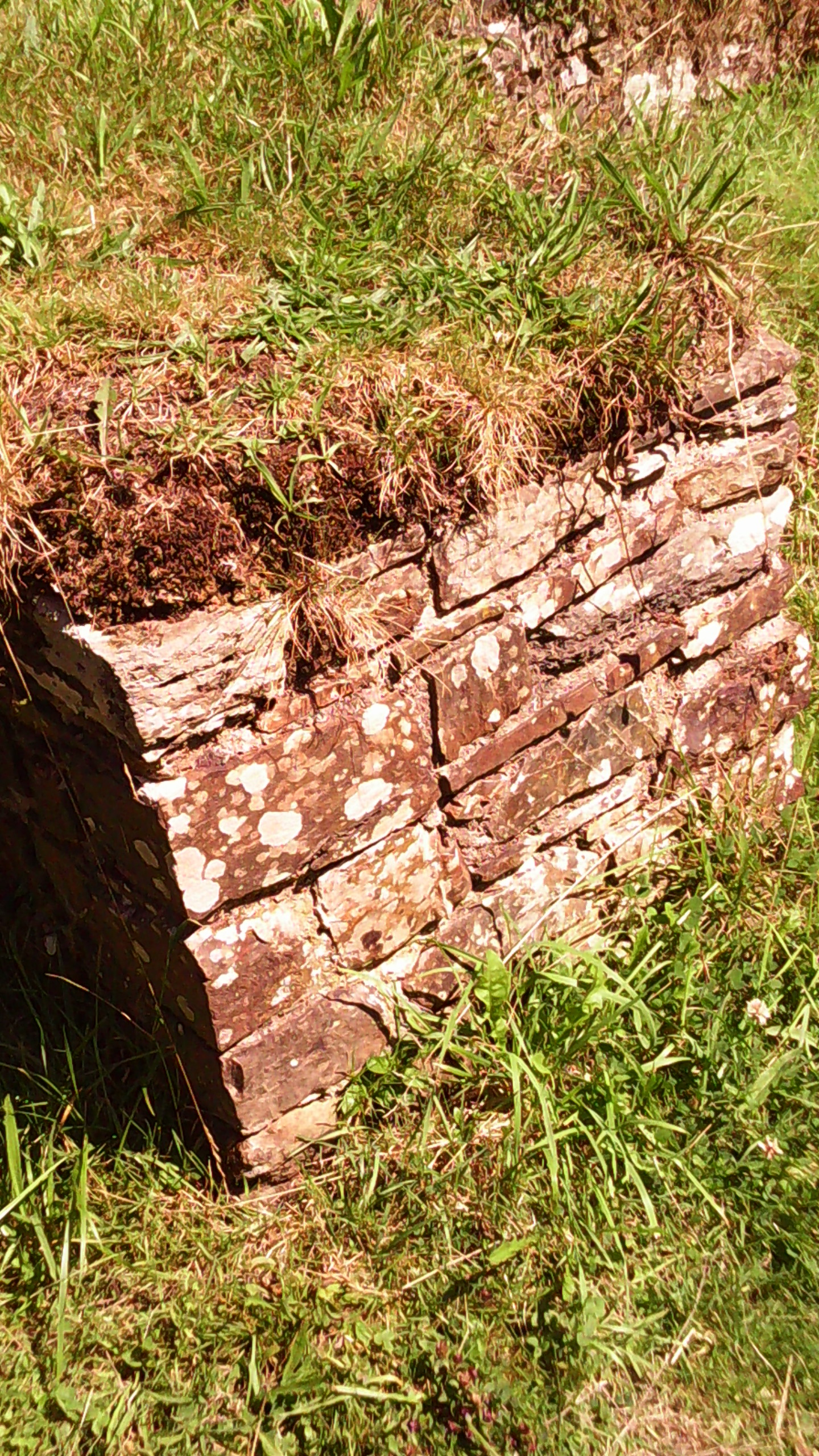
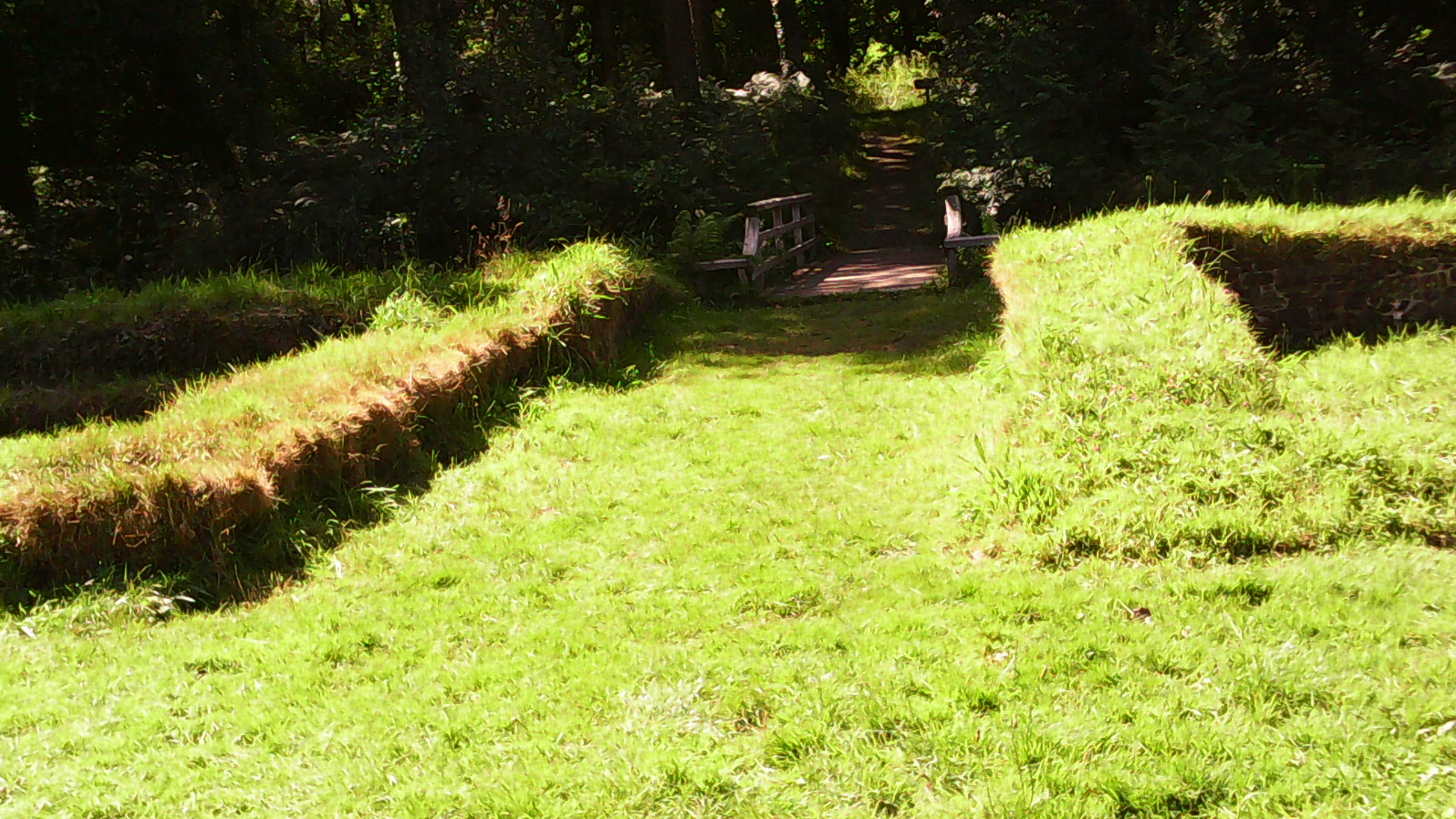
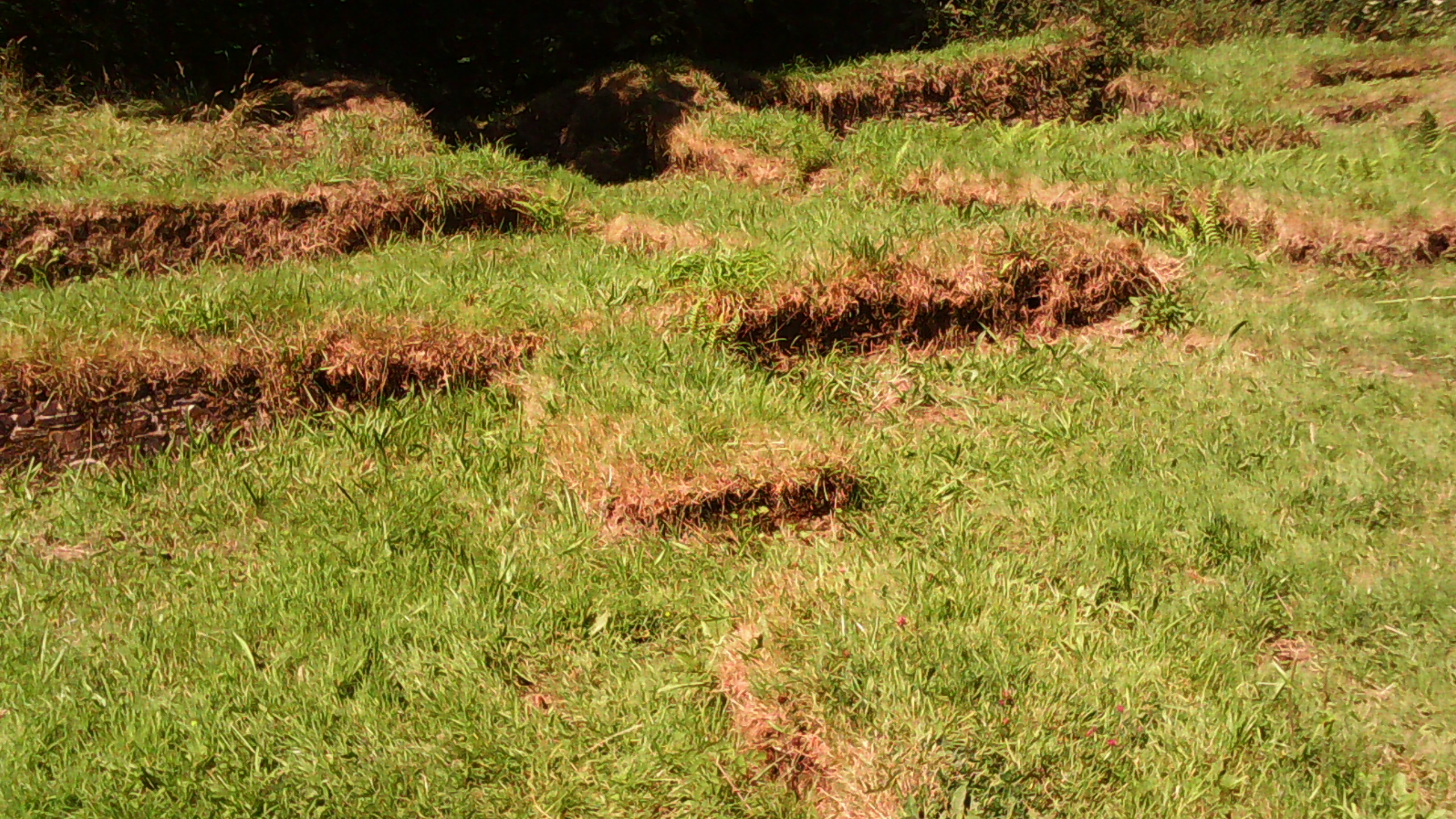
Penhallam Manor is a building complex surrounded by a defensive moat, the original foundations of which date back to just after the successful Norman Conquest of Britain (in 1066 CE). The Normans were in fact Francocised Danish Vikings (or ‘men from the North, i.e. ‘Norsemen’, etc) that had invaded France during the 9th century settled in the north-western area. This area was formerly acknowledged as being the fiefdom (or ‘county’) of Normandy’ in 911 CE, through an agreement between the French King Charles III and the Norman King Rollo. In 1066 CE, the then Pope declared Britain to be a pagan country (despite the well established presence of Celtic Christianity) and authorised William the Conqueror’s invasion of the country and the usurpation of the British crown. The English King Herald was defeated (and killed) during the Battle of Hastings in 1066 CE. However, indigenous Britons continued to resist the Norman invasion of their country for decades to come. The Normans consolidated both their political and physical presence throughout England with the building of impressive stone castles surrounded by moats, and built on small hills or steep areas. The indigenous Britons and Celts often fought on foot, and these Norman castles were virtually impossible to penetrate by massed infantry. The Normans moved between their fortifications under armed guard and continued to dominate the country through oppressive laws and military pressure. All the noble families that had supported William the Conqueror, and who had fought in the Battle of Hastings, were granted noble titles and large swathes of British land. The stone mansion built at Penhallam was an impressive stately home for the time, built around an inner courtyard with many surrounding buildings (such as a kitchen and a granary, etc), all surrounded by a moat accessible over a bridge. Although only the foundations exist dating to 13th century renovations, (the home was eventually abandoned in the early 15th century), they reveal expert stone-masonry, architectural design, and building craftsmanship, as well as over-all expertise in positioning of the stricture and the good use of natural terrain, (the local river, for instance, was diverted to form the water in the encircling moat). The area of Penhallam was awarded to the de Cardinham family from France, and Penhallam Manor apparently served as one of their stately homes – such was the family’s importance in the new Norman social order in Britain. English Heritage maintain the site – which is free to enter for the general public. The ruins lie in a forest clearing that is about a 15 minute walk from the small car park (which is designed for 5 cars). It is a beautiful place to visit.
Penhallam Manor (English Heritage)





 SANGHA KOMMUNE (SSR)