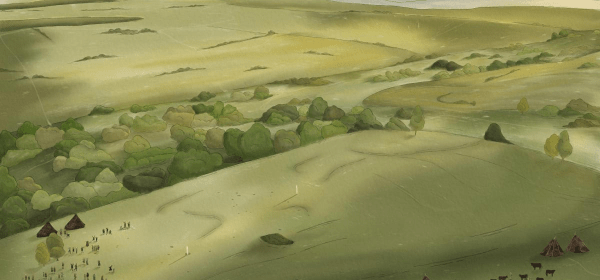
Timeline and reconstruction of summer solstice celebrations as they might have appeared at Bulford 5000 years ago © Wessex Archaeology

UK: Strange Stories from England – Proto-Stone Henge Dsicovered! (19.6.2026)

“The discovery at Bulford is fundamental because it’s the earliest example of people building things here that aim directly at the solstice. When we talk about the solstice, we’re talking about religion. About how prehistoric peoples understood the cosmos, the world, and their place in it. What we see at Bulford, and later at Stonehenge, is a way of celebrating and marking the passage of time, but it’s also about making sure the world keeps working as it should. It’s likely their way of saying to their deities, please keep us in mind, keep us warm and safe. It’s a religious event. That’s why it’s so important.”
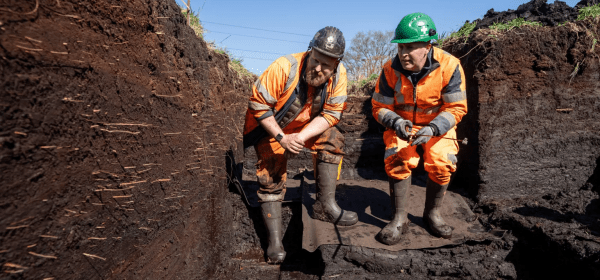
Archaeologists made the discovery underneath layers of peat on Honeygar Farm in Westhay

UK: Neolithic “Trackway” Discovered by Archaeologists in Honeygar Farm [Somerset]! (22.3.2026)

Britain used to be full of marshes through which the Celts built trackways to travel about – probably between the various tribes. Presumably, these marshes ran through (and around) forests – as the UK used to be covered in dense foliage. Therefore, the Celts did build their own type of natural pathways – but these were “natural” and very different to the roads constructed by the Roman engineers – which seemed “severe” and “unnatural” by comparison. Furthermore, the Romans destroyed the traditional landscape that Druidism and Celtic culture developed and grew within. The Romans cleared the forests and drained the marshes – thus destroying the very essence of the British Celt culture that had existed for thousands of years. The Romans committed genocide, forcibly established their culture – and then left. Part of this Roman domination was that the Celts were “primitive” and possessed no culture of their own. A policy straight out of the imperialist play-book.