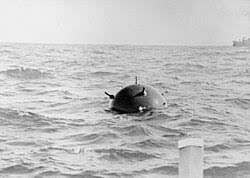
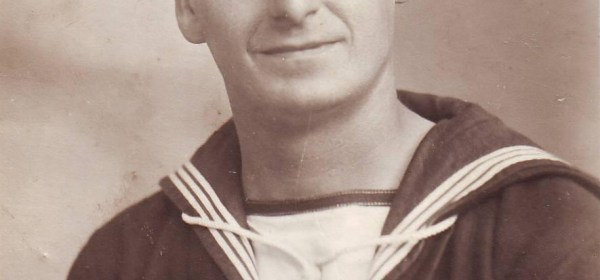
A “moored” mine (or “Naval” mine) is a single mine anchored to the seabed by a length of metal chain or rope – operating at a depth decided by the length of mooring tether. These mines were deadly as they often hid below the waterline and the line of sight – waiting for the hull of a ship to strike it in passing. A “drifting” sea mine was a device (sometimes “magnetic” but also “non-magnetic” or “contact” detonated) that floated about on the surface of the sea according to the tide. These mines could travel hundreds of miles and bob and weave their way up estuaries and into harbours. From what I gather according to the stories I was told, it was these “drifting” mines my grandfather was responsible for destroying. Obviously, a “U-Boat” was a Nazi German “Unterseeboot” or “Under Water Boat” – whilst an E-Boat referred to a Nazi German fast-attack “Enemy Boat” – usually carrying torpedoes.
 SANGHA KOMMUNE (SSR)