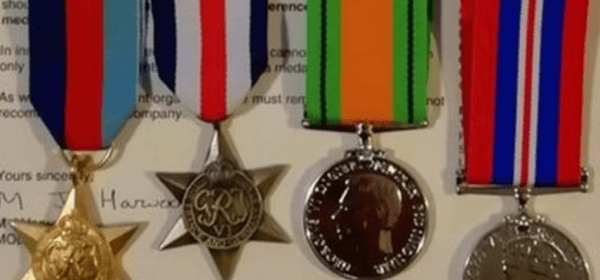
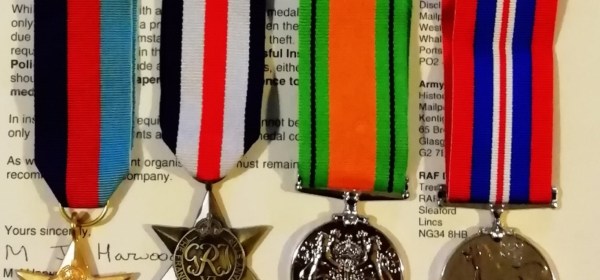
The infantry would assault the area from the periphery – and the Glider Troops would protect the centre (as if they had just dropped from the sky). As combat can be fluid and all kinds of emergencies can occur – Glider Troops would also train to assault the area from the periphery – and Infantry would defend the area from the centre. The reality on the ground might involve any contingency being used with flexibility being the key. I am told that this might explain how my grandfather came to possess an Airborne badge. When we were first researching this subject, die to the presence of this badge, we first thought Alfred Wyles had landed at Caen in a wooden Glider (this was in fact “D Company” of the 2nd Battalion [Professional] Ox & Bucks – but were later informed that in all likelihood (there is till a niggling doubt) my grandfather landed on Sword Beach as part of the supporting-infantry. Whatever the case, his official War Record is vague on this point.
 SANGHA KOMMUNE (SSR)