Dhamma Practice

Email: Studying Monasticism – BMA (UK) – Replying to Comment! (20.2.2025)

“Your exploration of Christian monasticism as a blueprint for spiritual and communal living is both insightful and thought-provoking. The parallels you draw offer a fresh perspective on how different traditions can inform and enrich one another. Your writing reflects deep contemplation and a genuine appreciation for the wisdom found in monastic practices. Thank you for sharing such a meaningful and well-researched reflection!”

Abbot's Kitched - Glastonbury - 2024

Glastonbury Abbey: Abbot’s Kitchen – St Joseph’s Well! (30.7.2024)

Today, an ad hoc “Wishing Well” has developed in one of the corners of the room. This was probably a drain or perhaps some type of cooker – but in modern times visitors have taken to dropping coins down through the covering grill – and making heartfelt requests in the form of prayers and good wishes. Our daughters asked for good health to be bestowed upon Nana (Diane Wyles), Granddad (Peter Wyles) and Charlotte (my younger sister)! The currency observed spans the globe – which demonstrates the universal appeal that Glastonbury holds. This is not necessarily “religious” (although religion is important for many) – but rathe “spiritual” in nature – the latter category being far more inclusive and all-embracing!

Long Live the 1381 Peasants' Revolt!

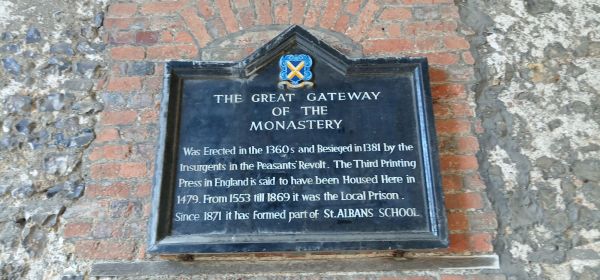
St Albans Abbey: Main-Gate! (28.5.2024)

During 1381 – England came within a hair’s breadth of becoming a People’s Republic! This great effort led by Wat Tyler was eventually defeated through the duplicity of the ruling classes – but its example echoes down through history! The beginnings of this gate stem from the 11th century and the consolidation of the Norman Conquest. This was when Roman Catholicism landed in England as part of the ruling government structure. Prior to this, Celtic Christianity (probably from Egypt) held sway in England, Wales, Scotland and Ireland. What Catholic presence there was prior to 1066 CE was piece-meal and generally lacked any real political power or influence. The differwence between these two forms of Christianity is that although both possessed a monastic tradition – the Celtic version saw the monastery (not the Church) as the centre of society. Furthermore, the Celtic version possessed a tolerant attitude toward non-Christian beliefs – a position rejected by the Catholic variant. With the coming of the politically empowered Catholic Church – Celtic Christianity was all but wiped-out by the 12th century.
Buckfast Abbey - Rule of St Benedict!

Buckfast Abbey: The Magnificent Waterwheel! (4.4.2024)

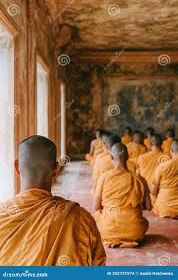
The time of the day and season of the year was defined by the cycles associated with monastic life – with monastic life guided by the various Rules which guided the daily activities of the monks and nuns. Lay-people – or “Oblates” – also followed these rules – which permitted Roman Catholic spirituality to permeate English society. After its abolition – the Church of England was formed – which would eventually represent the capitalistic ideas of the new post-Catholic elites. As a consequence, it was only during the early 20th century that Buckfast Abbey was permitted to be re-built and for a population of monks to once again inhabit its interior.

1 2