China Counters US Tactics to Limit and Distort Media Free Speech! (17.3.2020)

China’s basic national policy of adhering to opening up has not changed, nor will it change. We always welcome foreign media and reporters (from various countries) to engage in interviews and make reports in China, in accordance with the laws and regulations – and will continue to provide assistance and make the process easy. What we are opposed to is ideological prejudice against China. We are opposed to the US generating ‘fake news’ and protecting this process through the so-called ‘freedom of the press’. We are opposed to acts that violate journalistic ethics. It is hoped that the foreign media (and journalists) will play an active role in promoting mutual understanding between China and the world.

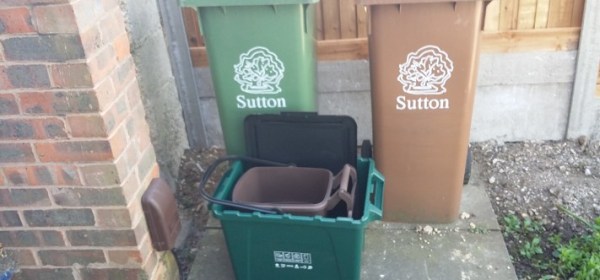
Sutton: Privatising Bin Collections (2.4.2017)

Why should we – local Council Tax payers – separate our household rubbish into ‘recyclable’ categories that benefit the ruthless ‘private’ firms the Local Council has ‘contracted-out’ the service of refuge disposal? If these ruthless private firms want to make money out of our rubbish, they should collect and sort the rubbish themselves, but they do not do this, because they would have to ‘pay’ employees to do it, and this would remove or diminish any available profit.

The Sangha Kommune (僧伽公社) – A Place of Spiritual and Physical Growth! (Founded 16.2.2010)

The Chinese Buddhist monastic community is referred to as a ‘Sangha’ (Sanskrit for ‘spiritual community’), whereby men and women form a voluntary association premised upon following a strict set of rules known as the ‘Vinaya Discipline’. Within this community, there is ‘equality’ between all members, with the leaders being those who have followed these rules for the longest times. This is because such people are thought to have more experience at adhering to the Vinaya Discipline (which includes celibacy and vegetarianism), and are therefore able to effectively advise all others through the difficult times they my face in their practice. As those with little experience have less to share, they are not considered leaders whilst more experienced practitioners live in the vicinity.

1 11 12 13 14 15