Childhood trauma affects brain pathways linked to adult anhedonia

US: Childhood Trauma Affects Brain Pathways Linked to “Adult Anhedonia”! (21.8.2026)

Experiencing trauma in childhood can lead to a lack of motivation and less pleasure from rewards-or anhedonia-later in life. In humans, childhood trauma is linked to changes in the activity of reward-related brain pathways stemming from an area called the hippocampus. Preclinical work in animals suggests that hippocampal changes may contribute to anhedonia. But do hippocampal changes linked to childhood trauma make people more vulnerable to developing anhedonia? New in JNeurosci, a research team led by Kathleen O’Brien at Temple University and Vishnu Murty at the University of Oregon sought to answer this question.
Medical staff use brain-computer interface equipment to conduct rehabilitation training for a patient at the Third Affiliated Hospital of Sun Yat-sen University in Guangzhou, south China's Guangdong Province. (Photo: The Third Affiliated Hospital of Sun Yat-sen University)

China: Guangzhou Hospital Launches Art & Humanities Healing Centre! (12.8.2026)

Nurses conduct nutrition education sessions using food models, translating complex dietary requirements into practical daily choices through individualized guidance.

“Medicine is shifting from a disease-centred approach to a health-centred one. In the AI era, humanistic care should run through the entire patient journey, from hospital admission to returning home,” said Wu Jinghong, Party secretary of the hospital and director of the healing centre.

The centre also plans to address the mental health needs of healthcare workers through art-based activities, psychological support and stress relief programmes.

Socialist Medicine Works to Progress Science and Relieve Human Suffering!

China: New Transplantation Therapy Developed for Major Diseases! (19.3.2026)

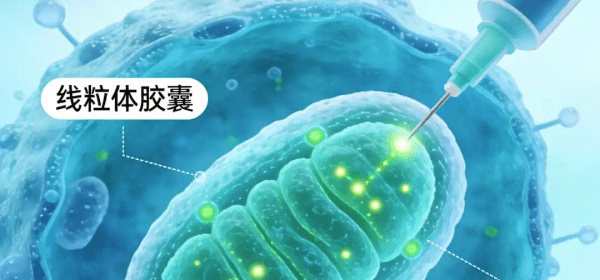
Mutations in mitochondrial genes can lead to severe genetic diseases, affecting more than 1 in 5,000 people worldwide. However, doctors have only been able to manage symptoms without fundamentally repairing the malfunctioning mitochondria. Their dysfunction is a significant contributing factor to aging and various neuron degenerative and metabolic diseases, including Parkinson’s disease, Alzheimer’s disease and diabetes.

A spokesman for the restaurant said they took food safety and hygiene extremely seriously(Image: Richard Swingler)

Wales: Details of Food Hygiene Failures of Two Michelin Star Restaurant – “Ynyshir” – That Charges Over £400 Per 30-Course Dinner! (12.2.2026)

In January a spokesman said: “At Ynyshir, we take food safety and hygiene extremely seriously and are committed to maintaining the highest possible standards for our guests.

“Following a recent routine inspection by the local authority, a number of administrative and procedural actions were identified for improvement. We take this outcome seriously and have already addressed these points in full. We are currently working closely and cooperatively with Environmental Health and have requested an early reinspection in line with the council’s guidance.

“Ynyshir operates with cooking techniques and processes heavily influenced by Japanese ingredients and methodologies. This approach involves specialised preparation and handling practices that differ from conventional kitchen operations. We operate at the highest professional level and are proud to work with some of the finest suppliers and ingredients from across the globe.

“We remain fully confident in our processes, our team, and the safety of our operation.

“As always, our focus is on delivering an exceptional and safe dining experience for every guest who visits us.”

A device called a cardiac resynchronisation therapy (CRT) pacemaker, can switch the heart’s fuel from sugar to fat after only two minutes, a study has found.

Oxford: CTC Pacemaker Could Help Reverse Heart Failure Symptoms by Switching Heart’s Fuel from Sugar to Fat! (21.1.2026)

Professor Neil Herring, Professor of Cardiovascular Medicine at the University of Oxford, said: “The size of the improvement we’ve seen in the hearts in our study in response to CRT is remarkable. The slowing down of electrical signals in the heart, in some people who have heart failure, may mean the signal for the heart to use fat for fuel is lost, and their heart switches to using glucose instead. A pacemaker restores the “use fat for fuel” message through fixing the signalling problem as it regulates the heart. This then helps the heart to start to recover. 

The therapy offers a promising new approach to tackling the growing challenge of antimicrobial resistance, said the study published in the international UK medical journal The Lancet Infectious Diseases in late September.

China: New Drug Used to Treat Common Infection! (19.11.2025)

A new treatment combination for Helicobacter pylori — a common stomach bacterium linked to ulcers and gastritis — based on a domestically developed drug has shown comparable, and in some cases superior, efficacy in eradicating the infection compared with standard therapy, according to recent clinical research.

The therapy offers a promising new approach to tackling the growing challenge of antimicrobial resistance, said the study published in the international journal The Lancet Infectious Diseases in late September.

The experimental triple therapy centres on rifasutenizol, a novel antimicrobial agent developed specifically for H. pylori infection by Tennor Therapeutics, a pharmaceutical company based in Suzhou, Jiangsu province.

1 2