WWII "Drifting" Mine!

WWII: D-Day 81st Anniversary [1944-2025] – Remembering Arthur Gibson and the HMS Beaumaris Castle (FY 992) – of the “Royal Navy Patrol Service” [RNPS] ! (5.6.2025)

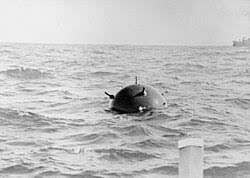
A “moored” mine (or “Naval” mine) is a single mine anchored to the seabed by a length of metal chain or rope – operating at a depth decided by the length of mooring tether. These mines were deadly as they often hid below the waterline and the line of sight – waiting for the hull of a ship to strike it in passing. A “drifting” sea mine was a device (sometimes “magnetic” but also “non-magnetic” or “contact” detonated) that floated about on the surface of the sea according to the tide. These mines could travel hundreds of miles and bob and weave their way up estuaries and into harbours. From what I gather according to the stories I was told, it was these “drifting” mines my grandfather was responsible for destroying. Obviously, a “U-Boat” was a Nazi German “Unterseeboot” or “Under Water Boat” – whilst an E-Boat referred to a Nazi German fast-attack “Enemy Boat” – usually carrying torpedoes. 
Kai-Lin’s Poppy Pictures – Lest We Forget! (17.11.2023)

German soldiers could not believe what they were seeing as these columns of British soldiers – with rifles shouldered – marched calmly toward the German trenches, stepping through the poppy flowers as they went! Initially, many German machine-gunners refused to open-fire on such an obvious target – but were forced to do so by their Officers! The result was an absolute massacre! However, the British High Command accused these working-class regiments of cowardice – and pushed more and more men into the area for the next three-months! In some places the bodies lay stacked in 12-foot piles – and it was these natural barriers that the newly arrived British soldiers had to climb. Many advanced over the shattered bodies of their fathers, uncles, sons and brothers.