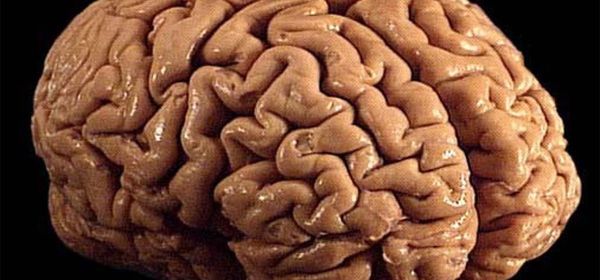
However, a research team led by Shi Lei, a researcher from the Kunming Institute of Zoology under the Chinese Academy of Sciences, proposed an alternative possibility: certain ancient and highly conserved genes could also play a key role in human brain evolution by reshaping their expression levels through changes in regulatory elements.
The team compared transcriptomic data from different layers of the embryonic cerebral cortex of mice, tree shrews, marmosets, macaques and humans. They found that an ancient gene called “CCNB1IP1” was already expressed in the brain of the tree shrew, a close relative of primates, long before primates emerged but at relatively low expression levels.
The team further discovered that during the following course of evolution, the expression level of this ancient gene showed a clear stepwise increase among tree shrews, marmosets, macaques and humans, reaching its highest level in the human brain.

