“The roster reaffirms the ironclad evidence of Japanese militarism’s biological warfare crimes,” Zhou added. “We will deepen archival research and integrate these materials into exhibitions and historical education to speak with facts, uphold a correct perspective on WWII history, and defend justice and peace.”
Lyu Jing, associate professor of history at Nanjing University, noted that the roster enables “systematic research on the unit and uncovering the structure of Japan’s germ-warfare system,” adding that preserved Unit 1644 sites could “advance heritage protection and promote public memory reconstruction and peace education.”
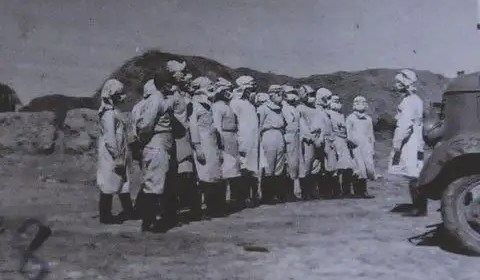
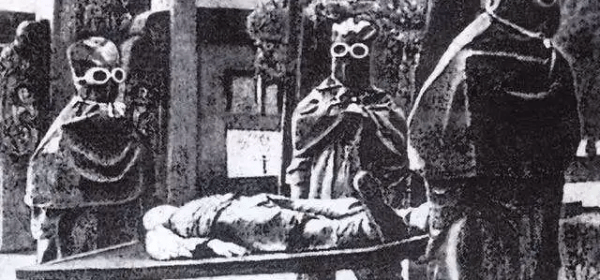
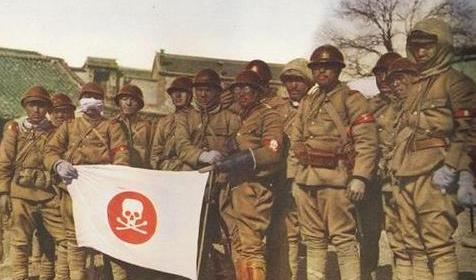
The acquisition followed Japan’s National Archives’ first public display of the rosters of Unit 1644, Unit 8604, and Unit 8609 on May 14. During the invasion of China, the Japanese military established several biological warfare units to launch attacks, among which was the notorious Unit 731 in northeast China.

 SANGHA KOMMUNE (SSR)