
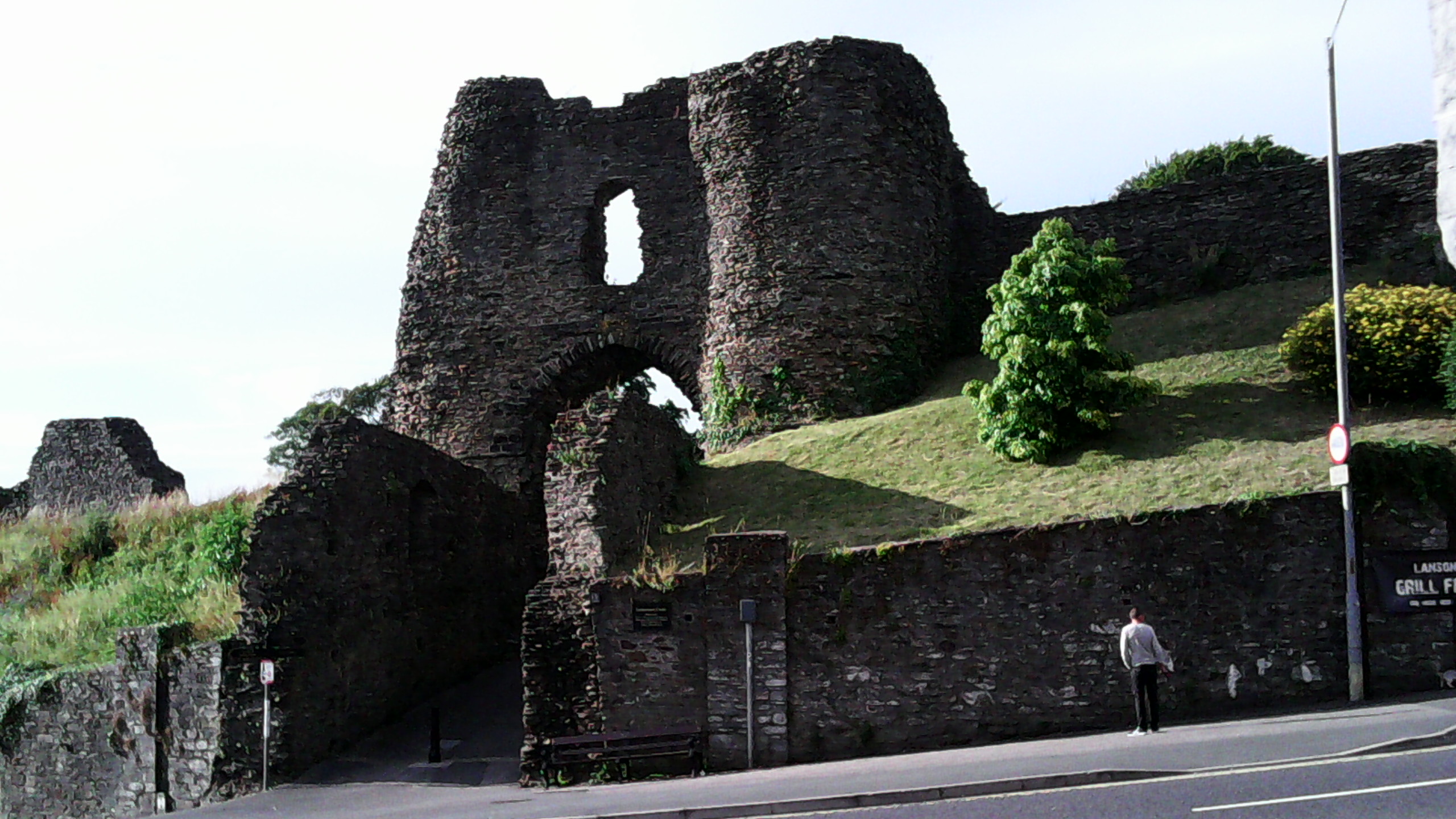
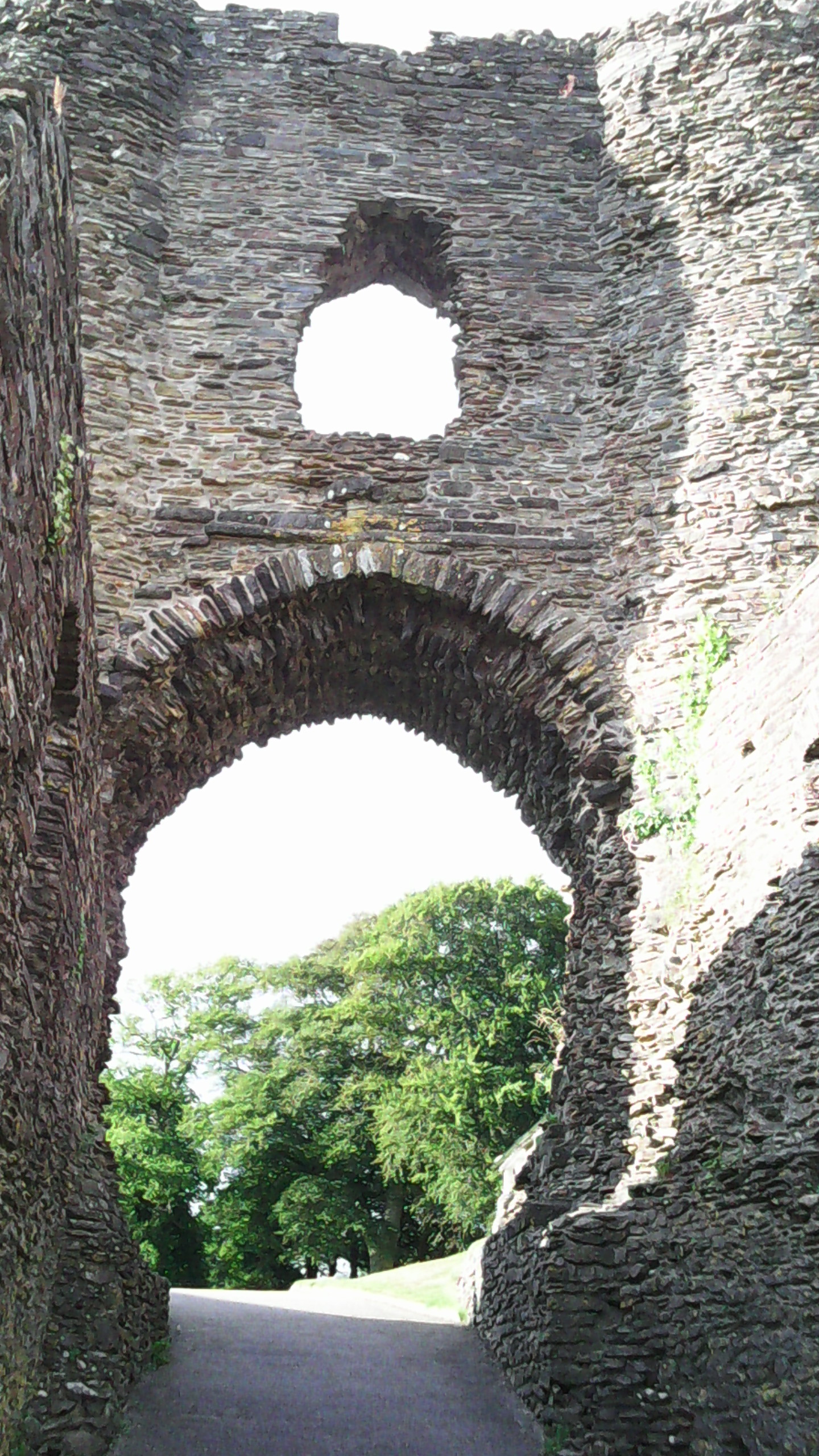
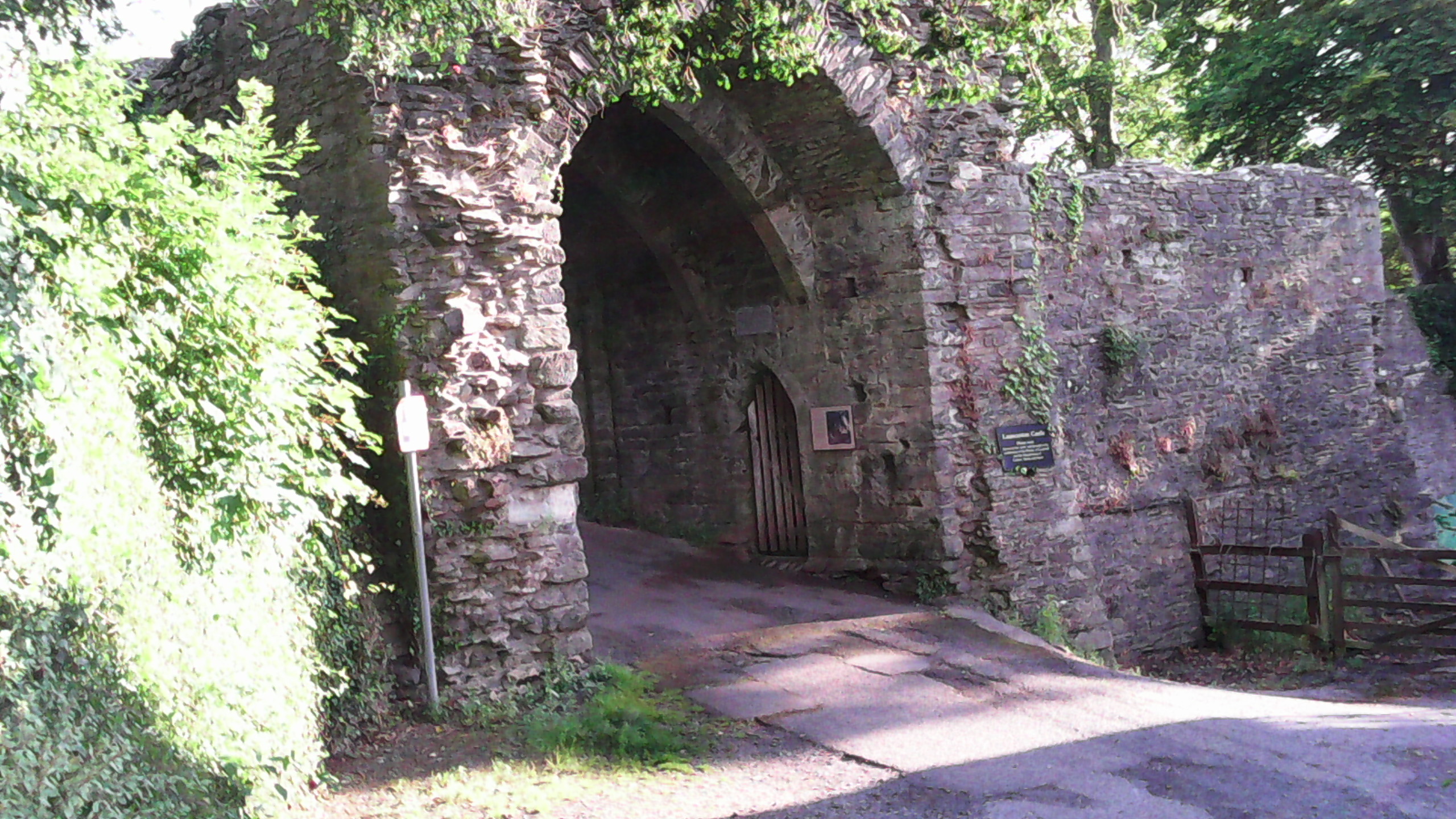
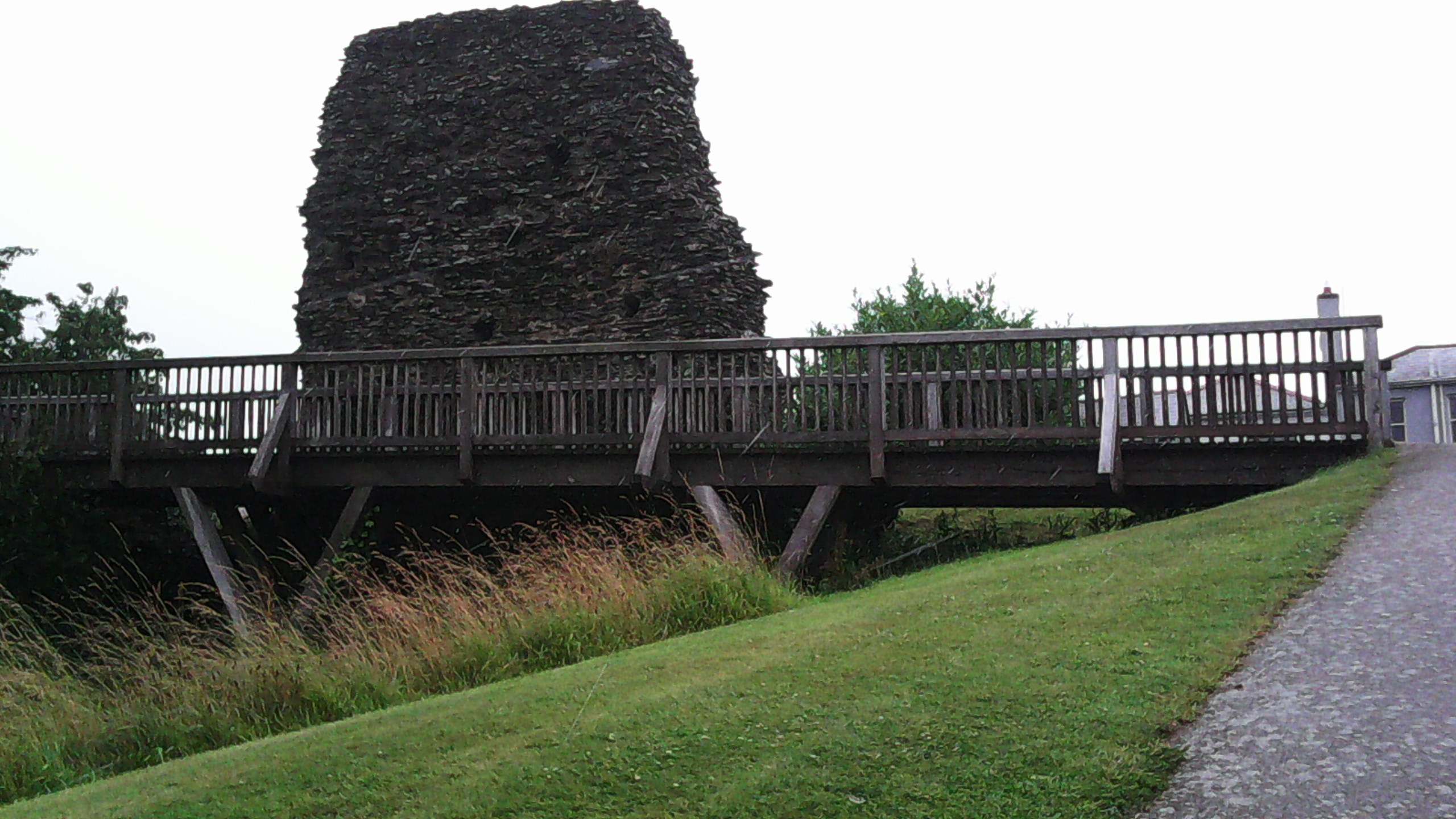
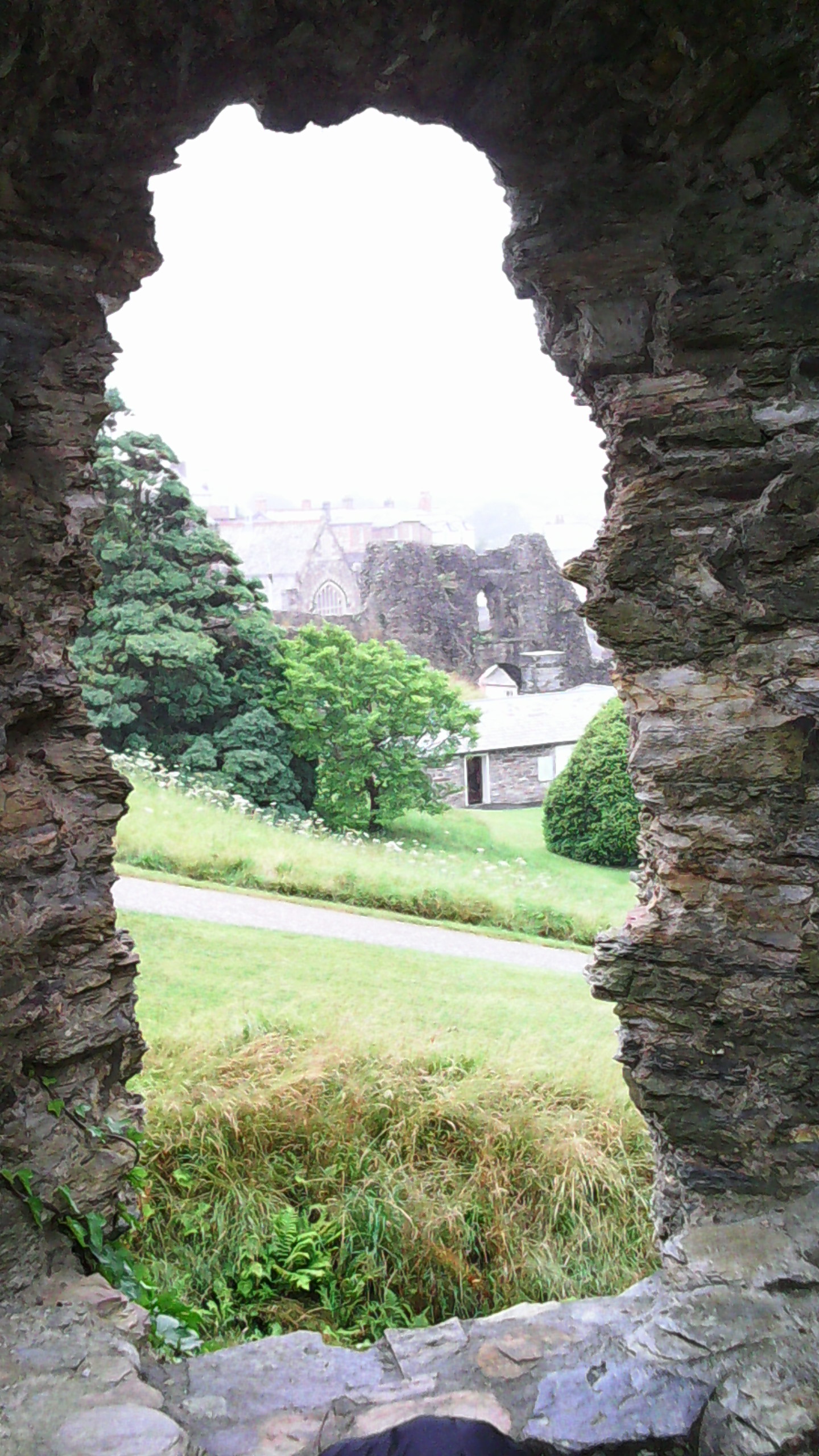
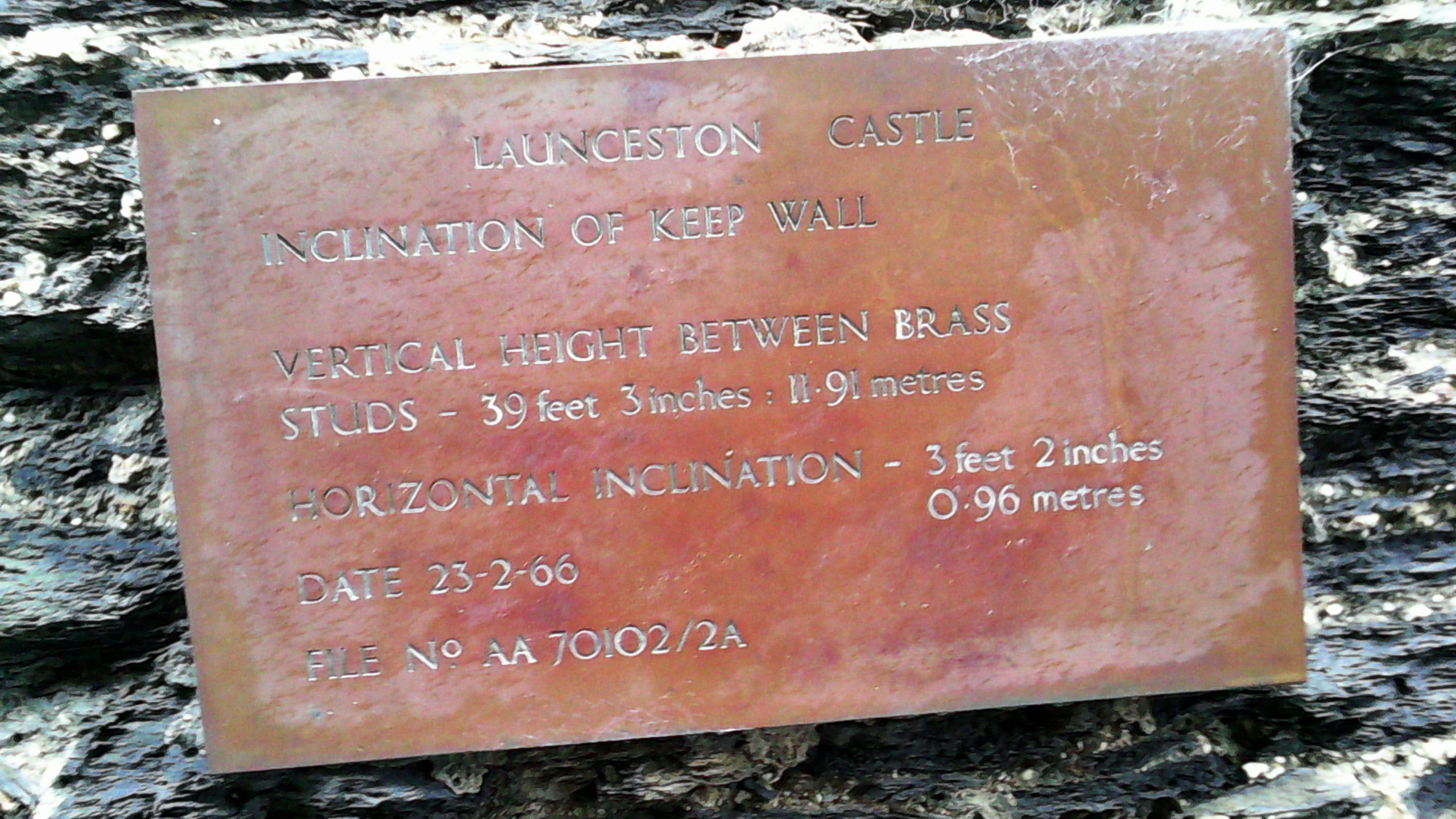
Launceston Castle was built in 1067 CE – just a year after the successful Norman-French invasion of Britain. Castles like this were built throughout the land so that the foreign invaders could project a sense of power – whilst living in safety behind the very large, and well-built stone strictures, that were usually positioned in high mounds or small hills. The point of these fortifications was to prevent the effectiveness of British warrior attacks – either from the Celts, or from the Angles or Saxons (Germanic settlers who come to Britain hundreds of years earlier). These British warriors usually attacked the enemy using massed infantry assaults, and literally attempted to smash the enemy defences apart and drive the survivors out of the country. In 1066 at the Battle of Hastings, King Harold of England and his forces, nearly defeated William the Conqueror – but failed after a ferocious conflict that left thousands dead on each side. The then Pope had backed William the Conqueror’s grab for power in Britain because he deemed the British to be pagans. Nevertheless, even though William acquired the throne – native Britons continued to militarily resist the Norman occupation for decades after. Castles such as that at Launceston were very difficult to penetrate on foot, as the warriors had to charge up steep hills whilst being fired upon by arrows and catapults, and if they got to the foot of the very high castle walls – they were then subject to attack from large rocks and boiling oil dropped from the battlements. Castles of this type (motte and baily) were effective because they symbolised an evolutionary development in human military planning. Lightly armed warriors from agricultural societies could penetrate these structures on foot, and often suffered very high casualties attempting to do so. Furthermore, tribal groupings living on farm lands, had no equivalent fortified structures to hide behind.






 SANGHA KOMMUNE (SSR)