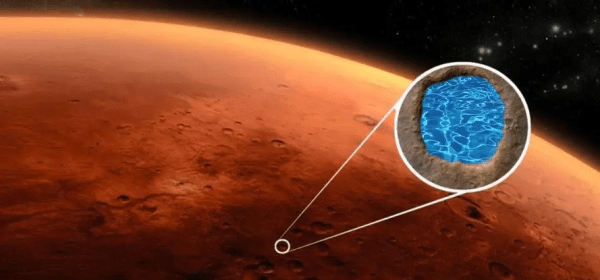
In the study, researchers estimated the dunes Zhurong found were formed about 400,000 to 1.4 million years ago. The exchange of water vapor between the higher and lower latitudes during this period led to repeated humid environments at low Martian latitudes, followed by the frequent occurrence of salty water when temperatures dropped in the region.
Qin said the discovery provides key proof of liquid water at Martian low latitudes, where surface temperatures are relatively warm and more suitable for life than high latitudes.
It also provides information for the design of future exploration strategies for Mars rovers. As saline water once existed at various latitudes on the surface of Mars, priority should be given to salt-tolerant microbes in future missions searching for extant life on Mars, researchers said in the study.

 SANGHA KOMMUNE (SSR)