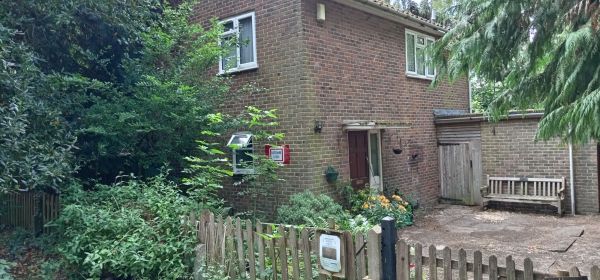
A Beautiful Lodge!

Sutton & Cheam: Family Outing in Nonsuch Park! (13.6.2025)

There is an irony to it all. Although Henry was acting to empower his own position, and in so doing strengthen the English crown, by creating a capitalist economy premised upon trade, profit, and individualistic employment, (we are forced to earn profit to “pay” to keep the inequalities and injustices of the capitalist system at a distance) – he inadvertently and simultaneously generated the conditions that led to enriched peasants who specialised in the “trade” of linking the aristocracy to the rare and precious goods they craved and desired. These “merchants” (burghers) were wealthy citizens living in towns and cities who could mimmick the aristocracy by dressing like them, sending their children to the same schools, and standing for Parliament. Eventually, so many were elected and empowered in this way (forming a new “middle class” termed the “bourgeoise”) that they raised an army, defeated and beheaded the King (Charles I) – and abolished the very institute of absolute monarchy that Henry thought he was saving.
Abbot's Kitched - Glastonbury - 2024

Glastonbury Abbey: Abbot’s Kitchen – St Joseph’s Well! (30.7.2024)

Today, an ad hoc “Wishing Well” has developed in one of the corners of the room. This was probably a drain or perhaps some type of cooker – but in modern times visitors have taken to dropping coins down through the covering grill – and making heartfelt requests in the form of prayers and good wishes. Our daughters asked for good health to be bestowed upon Nana (Diane Wyles), Granddad (Peter Wyles) and Charlotte (my younger sister)! The currency observed spans the globe – which demonstrates the universal appeal that Glastonbury holds. This is not necessarily “religious” (although religion is important for many) – but rathe “spiritual” in nature – the latter category being far more inclusive and all-embracing!

Inside the Castle!

Torbay: Berry Pomeroy Castle – Tudor Ruins! (2.4.2024)

During the 1500s, Elizabeth I was an absolute monarch (as was her father – King Henry VIII) – who preferred to live in and around the Nonsuch Park area – including Hampton Court Palace (which is no longer used by the royal family). However, there was once a “Nonsuch Palace” which does not exist today. After Elizabeth I died (1603 CE) – many of the castles she frequented were no long favoured by the royal family – leading to these buildings falling into neglect and ruin. This was the case with Nonsuch Palace which was so badly dilapidate that what was left of it had to be demolished in 1683 CE – for safety reasons – with the ruins being recycled into the constructon (or maintenance) of local buildings.