The voices underscored a national memory shaped more by the narrative of victimhood than by a full reckoning with the causes and consequences of war, which offered a glimpse into how Japan remembers and forgets its wartime past.
While the physical scars of nuclear devastation are meticulously documented in museums and memorials, Japan’s aggressive wartime conduct is conspicuously muted in both public discourse and state education.
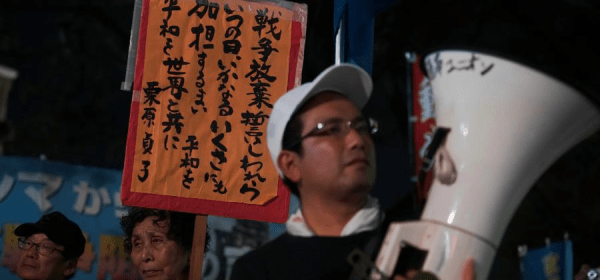
Outside the official ceremony, anti-militarist demonstrators gathered near the atomic bombing site. Their placards decried Japan’s growing defence budget and the possibility of nuclear “sharing” with the U.S.
They were kept outside the formal event by riot police, while right-wing activists tried to drown them out with loudspeakers.




 SANGHA KOMMUNE (SSR)