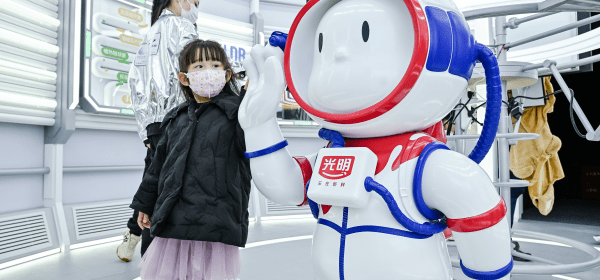
China Manned Space Agency (CMSA): Names Sought for Manned Lunar Exploration Vehicles! (1.9.2023)

According to an earlier report, China plans to land its taikonauts on the moon before 2030 to carry out scientific exploration. The plan is to launch two carrier rockets to send a lunar lander and a manned spacecraft, respectively, to a lunar orbit. The craft and lunar lander will rendezvous and dock with each other, and then taikonauts will enter the lander.

The names solicitation process is open to the public and will run until September 30. It is aimed at those who are enthusiastic about China’s manned space program, said the CMSA.

Also on Thursday, the CMSA began to solicit logos for four missions of China’s manned space program in 2024, including the launches of the cargo crafts Tianzhou-7 and Tianzhou-8, and the crewed spaceships Shenzhou-18 and Shenzhou-19.
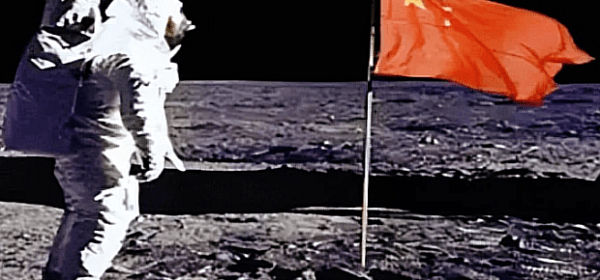
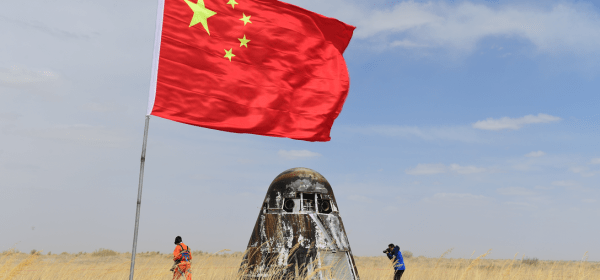
China: CPC Announces Manned Moon Landing! (12.7.2023)

After completing the designated tasks, the astronauts will return to the lunar lander and ascend to the lunar orbit, where the lander will dock with the spacecraft. The astronauts will then transfer lunar samples and other items to the spacecraft before separating it from the lunar lander. Finally, the spacecraft will return to the Earth, Zhang added.

To accomplish this mission, Chinese researchers are currently developing the Long March 10 carrier rocket, a new generation of manned spacecraft, lunar lander, lunar surface suits, manned lunar rover, etc.

China: Seven-Seater Space Craft Being Designed! (10.6.2023)

Roomier than the current three-seater spaceship, the new one will be able to carry more cargo supplies and more crew members, which will contribute to expanding the scale of manned spaceflights and opening up new areas, such as space tourism, said Zhou Jianping, the chief designer of China’s manned space program, in an interview.

A new launch vehicle is also under development. According to Zhou, the new manned rocket is designed to have greater liftoff thrusts, reusable components and a larger area for payloads, becoming more cost-efficient than the previous generations.