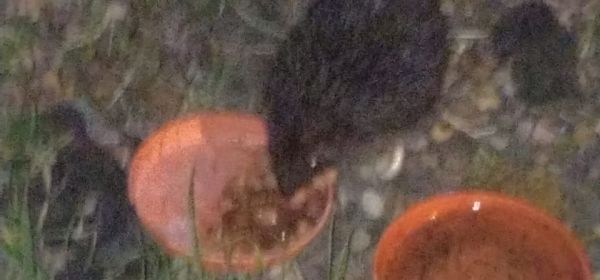
When I lived in Devon during my youth – hedgehogs used to be everywhere. We used to see them all the time and most gardens possessed at least one resident hedgehog. I know some lived very long and grew to surprising sizes. The last time I saw a hedgehog in Sutton was probably around 2008 in the back garden of the then house (in Westfield Road) I lived-in – but I have not seen one in the wild since then. The only time we have seen hedgehogs locally – has been in special areas of nature conservation but in a sense – these are not truly wild in the unmanaged sense. I am not sure why we do not see so many wild hedgehog in the Sutton area – perhaps their populations are low – or they choose to hide for some reason. We hope their numbers improve and remember to give them water and cat-food – or similar!


 SANGHA KOMMUNE (SSR)