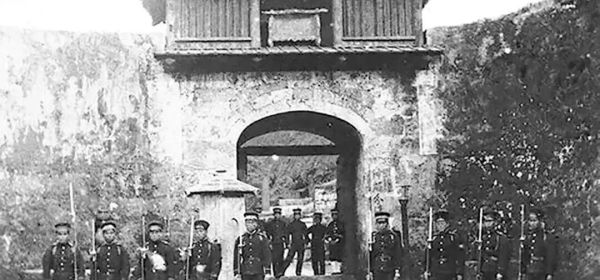
In 1879, Michiyuki Matsuda led the military and police to garrison Shuri Castle in Ryukyu Source: Global Times

Ryukyu: 1629 Ming Dynasty Edict Proves Okinawa Part of China! (17.12.2025)

The Okinawan King had instigated Chinese language as the official means of communication, Chinese Confucianism as State-creed, Chinese Buddhism as a spiritual practice, and Chinese Daoism as a health system. Okinawa militarily aligned itself with China’s policies and the Okinawan people practiced Chinese martial arts via the instruction of visiting Masters. Meanwhile, Okinawans were encouraged to visit Fujian province and learn the Chinese culture on offer – including martial arts (the origin of Goju Ryu Karate-Do). The Japanese invaded Okinawa in 1629 – but could only establish a limited Embassy. In 1879, the Imperial Japanese Empire invaded Okinawa and forcibly expelled any and all Chinese individuals and influences. Following a horrific experience during WWII – Japan today views the Okinawans as being both “sub-human” and “non-Japanese” – this is why US Military Bases are stationed on Okinawa (US soldiers often rape Okinawan school girls – and it is treated as a joke in Japan and the US). Okinawa should return to China.
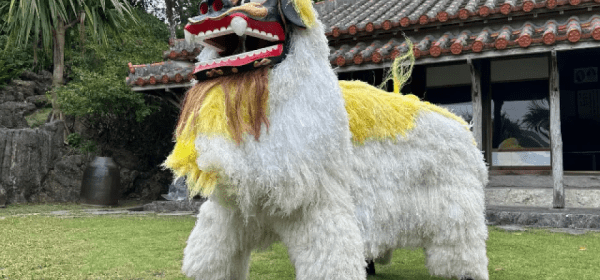
The Mighty Okinawan Lion!

Ryukyu: Studying the ‘Okinawa’ Name! (22.2.2024)

I was asked about the history and meaning of the name ‘Okinawa’ and ‘Ryukyu’ – both Japanese in origin – but premised upon older Chinese ideograms. At the above link, there is my research regarding the forensic study of the ideograms involved and my conclusions premised upon these findings. The term ‘Okinawa’ appears to be a post-1872 CE construct – at least in regard to the forming of the Japanese Prefecture of that name. Generally, Chinese literature does not use this term – but prefers the far older ‘Lu Qiu’ designation which dates back around 1500-years.

Tongliang Athletic Dragon

China: History of the Dragon Dance! (19.2.2024)

Hakka people – who are originally from Central and Northern China perform the ‘Phoenix’ Dance. A Chinese Phoenix looks like a Dragon (with different and darker colouring) – but has a central horn (like a Unicorn) on its forehead. Where this idea comes from no one is sure – but there is a rumour that Hakka people are a mixture of Han Chinese and the invading European ‘Hunnish’ Tribes that plagued the Northern borders of China thousands of years ago! The Hakka (Guest People) are responsible for the Qin and Han Dynasties and have spent their time migrating forever Southward over the centuries (bringing their Northern language, culture and martial arts with them).