The Women’s Militia Unit First Appeared in the National Day Parade in 1958, Marching Through Tiananmen Square

China: PLA Women’s Militia Unit – History of Fighting & Marching in National Military Parades! (4.9.2025)

The Militia participating in this Parade was drawn from 15 provinces, covering the main Anti-Japanese Base Areas led by the Communist Party of China (CPC) during the Anti-Japanese War. Some of the Women’s Militia Unit came from the Railway Guerrillas, Plain Guerrillas and other fine traditional Militia Units who achieved great military achievements. This included Militia organizations that developed unique tactics such as tunnel warfare, mine warfare, and sparrow warfare. In the War of Resistance Against Japanese Aggression, the size of Socialist China’s Militia reached more than 2.6 million. The vast number of militias participated in the war and fought bravely to annihilate more than 106,000 enemies, causing the Imperial Japanese invaders to fall in vast numbers during the People’s War.


Master Shao Yun (1938-2022) - Disciple of Master Xu Yun (1840-1959)

Ch’an Buddhism – Sit But Do Not Wobble! (5.5.2025)

Nowadays, the situation of Ch’an Buddhism in China is precarious. This is because the Ch’an Path is difficult to follow and is not easy to practice. Of course, there are many people who chant the Buddha’s Name and practice Tantric Buddhism – but there are very few who are truly able to practice Ch’an. Many temples focus on building Buddha Chanting Halls which are popular – with the required practice relatively simple to perform – whilst the establishment of disciplined Ch’an Halls are rare. Even if some temples have established Ch’an Halls, but these places often lack dedicated teachers and practitioners who will sit in meditation for long periods of time – and forget about the body and environment. It should be noted that the inheritance of Buddhism in China is largely due to the talents cultivated in Ch’an Halls.

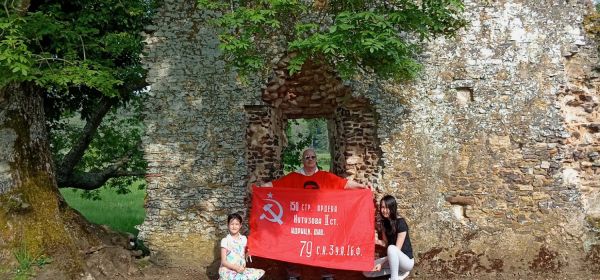
Liberating Waverley Abbey! 2024

Meditating & Meandering Through the Beautiful Ruins of Waverley Abbey! (11.5.2024)

This was a place where a group of Cistercian monastics (following the Rule of St Benedict) – also known as “Trappist” monks – spent years in silent contemplation of the Bible and their inner minds. The lifestyle of such a monk is designed to “still” the mind and empty the interior of all desire. Only when the mind and body of the monk is “empty” might God grant “grace” and make himself known – but he might not. Either way, once the monk is empty of all desire – the love of Jesus Christ can shrine view. The monk possesses no opinion and so the cycle of each da peacefully unfolds.