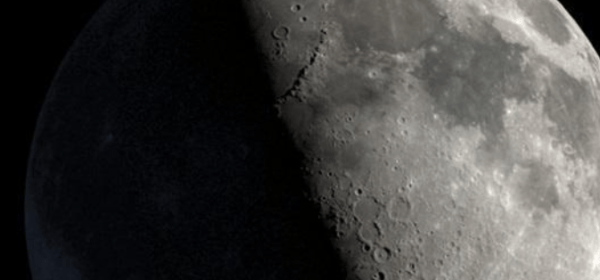
Dark Side Moon

PRC: Lunar Samples Indicate Previous Magma Activity! (19.11.2024)

am lunar soils.

The study published on Science, conducted by a team led by Xu Yigang, an academician of the CAS and a researcher at the Guangzhou Institute of Geochemistry of the CAS, also confirmed magma activity on the lunar far side 2.8 billion years ago.

The study also indicates that the eruption of lunar mare basalt is influenced by the internal composition of the moon, explaining why the South Pole-Aitken Basin on the lunar far side lacks abundant volcanic activity.

“These samples are the first to be collected on the lunar far side so it provided a unique view to the moon’s global geological history. The results are novel and are deserving of publication in Science. They will be of interest to a broad readership,” Science reviewer Katherine Joy said.

Moon South Pole Samples!

China: Researchers Reveal Chang’e-6 Lunar Samples Composition! (18.9.2024)

The Chang’e-6 mission, however, marks the first time humanity has ever successfully collected samples from the Moon’s far side, returning 1,935.3 grams of precious material.

The landing site for this sampling mission was located in the South Pole-Aitken basin on the far side, specifically at the edge of the Apollo impact crater, an area where the lunar crust is extremely thin, potentially revealing primordial materials from the early impact basins. Particle analysis shows a bimodal distribution of grain sizes, indicating that the samples may have undergone mixing from different sources.

The study indicates that the Chang’e-6 samples contain not only basalt that records the history of volcanic activity on the Moon, but also non-basaltic materials from other regions.