Capital and Labour Do Not Mix!

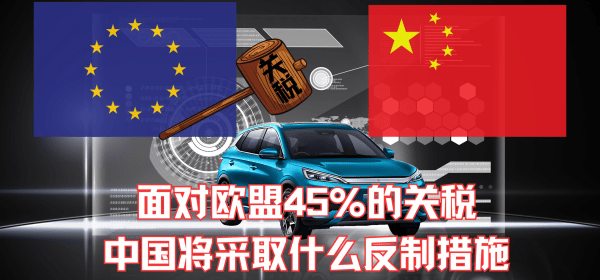
China: Lawsuit Filed Against Final EU Anti-Subsidy Ruling – MOC! (31.10.2024)

China has reiterated that the EU’s anti-subsidy investigation is unfair, non-compliant and unreasonable protectionist practice, according to the MOC, which called it a case of “unfair competition” in the name of “fair competition.”

China will continue to take all necessary measures to resolutely protect the legitimate rights and interests of Chinese companies, it was stressed.

While the EU has expressed its intention to continue consultations with China on price commitment, the latter has consistently advocated for the resolve of trade disputes through dialogue and consultations and has made every effort toward this end.

Currently, technical teams from both sides are engaged in a new round of discussions to achieve a mutually acceptable solution and prevent the escalation of trade friction, the MOC said.
China Developing Well!

China: Explaining The West’s “Over-Production” Fear-Peddling! (3.10.2024)

Portraying China’s manufacturing capacity as a global risk, this narrative is a variant of the “China threat” rhetoric, with its toxic seed germinating in the hotbed of the West’s anxiety, or probably fear, due to China’s manufacturing rise.

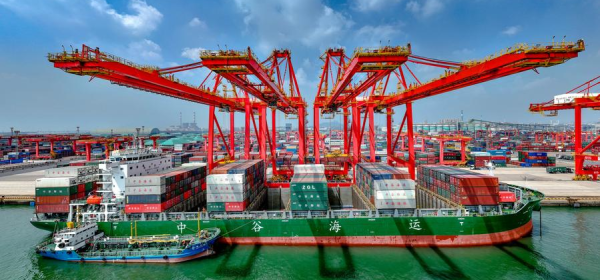
From a low-cost manufacturing base to the world’s largest manufacturing powerhouse and an up-and-coming leader in advanced industries and innovation, China’s rapid elevation has unsettled some Western countries, who perceive it as an intolerable challenge to their industrial and trade dominance.

Responding to China’s manufacturing prowess with such apprehension smacks of hypocrisy and also ignores basic economics. China’s production capacity was seemingly not a problem at a time when many Western corporations capitalized on the country’s low-cost original equipment manufacturer (OEM) production capabilities.

Neither was it a problem when Western superiority was underlined by China having to sell a billion pairs of socks to buy a Boeing airplane, nor when China’s spare-parts production abilities helped propel worldwide sales of high-value-added products such as Apple iPhones.