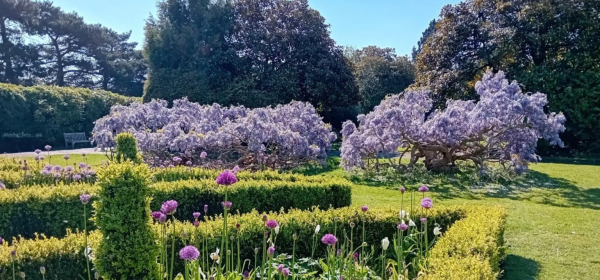
Nonsuch Park is now known for its gardens and landscapes

Sutton: Nonsuch Park – Where I Live! (30.11.2025)

Councillor Anthony Froud, chairman of the Nonsuch Park joint management committee, said: “This is an incredible achievement and a reflection of the dedication of our volunteers and staff.

“Local volunteers, the Nonsuch Voles and the Council’s Countryside, Property and Estates, and operational teams work year-round to protect and enhance this unique heritage landscape for the benefit of wildlife, visitors and future generations.

“These gold awards celebrate their hard work and the deep pride our community takes in Nonsuch Park.”

The result comes after work to restore heritage features of the garden, such as the greenhouse and the presence of several champion trees, a designation given to selected trees that are special because of their height, size, or significance.

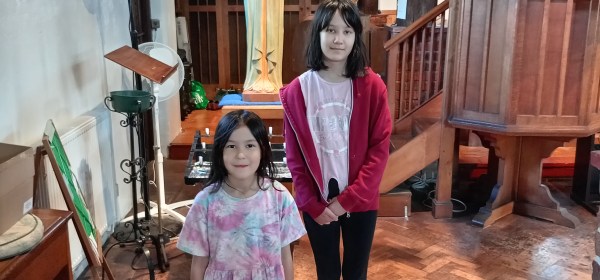
Inside the Castle!

Torbay: Berry Pomeroy Castle – Tudor Ruins! (2.4.2024)

During the 1500s, Elizabeth I was an absolute monarch (as was her father – King Henry VIII) – who preferred to live in and around the Nonsuch Park area – including Hampton Court Palace (which is no longer used by the royal family). However, there was once a “Nonsuch Palace” which does not exist today. After Elizabeth I died (1603 CE) – many of the castles she frequented were no long favoured by the royal family – leading to these buildings falling into neglect and ruin. This was the case with Nonsuch Palace which was so badly dilapidate that what was left of it had to be demolished in 1683 CE – for safety reasons – with the ruins being recycled into the constructon (or maintenance) of local buildings.

Henry VIII: St Alban’s the Martyr Church (Cheam) – Constructed from a Nonsuch Royal Stable! (14.5.2023)

The wood used for the roof (and support beams) dates to about 1550 CE – and was originally a very large royal stable used by King Henry VIII and I am told – his daughter – Queen Elizabeth I! It was dismantled from its original site (adjacent to Nonsuch Palace) by Shipwrights – and brought to what was once a remote area of Cheam – and reassembled (with added contemporary brickwork) to form a very large Church! The wood would have been part of a royal forest cultivated in the area – grown to make ships, buildings and other required ‘royal’ structures! Therefore, the wood itself will be far older than the 1550 CE date the barn is believed to have been originally constructed! The beams are held together entirely by wooden-pegs – just as they were originally designned to be – with no ‘modern’ nails or connecting materials! Indeed, Shipwrights reconstructed this building as if they were building a wooden ship!