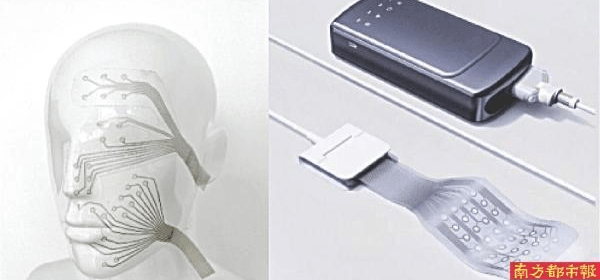
Furthermore, the fibre possesses excellent competency in softness. Long-term experiments on mice showed high biocompatibility, with the microfiber remaining in muscles for up to 13 months without adverse reactions, the researchers said.
“A key innovation lies in the fibre’s ability to navigate within the body. Using an open magnetic control strategy, we achieved initial controlled movement and steering within tissues, allowing the fibre to move like an earthworm through soil and record neural signals all along the path without the need for additional surgeries,” said Yan.
Zhu Meifang, a strategic adviser of the study, who is also director of the State Key Laboratory of Advanced Fibre Materials at Donghua University, said this breakthrough aims to transition bioelectronics from fixed passive recording to mobile intelligent collaboration.

 SANGHA KOMMUNE (SSR)