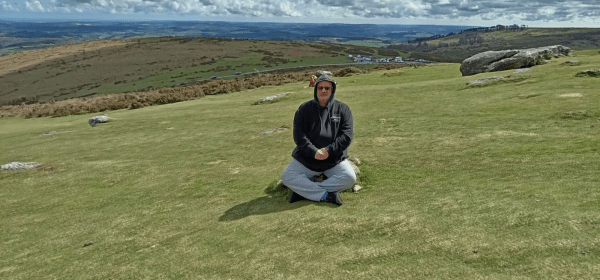
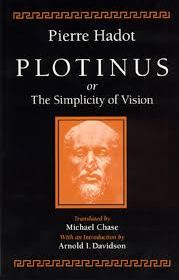
I suspect the ancient Greeks encountered Buddhist monasticism when visiting India (such as Pythagoras), learned the Buddhist method of “looking within”, and then adjusted the technique as a means to “prove” the efficacy of their particular philosophical perspectives (the work of Plotinus may be taken as an example of this endeavour). Later, via the Greeks, a community of Jews (in Qumran) started sitting in meditation to personally attain a “glimpse of Yahweh” – a practice that eventually spread to the reformed Jewish sect of “Christianity” – whose adherents started to meditate whilst sat in the caves found in the Egyptian Desert (this type of Christianity spread to Britain – hundreds of years prior to Catholicism – becoming “Celtic Christianity”).

 SANGHA KOMMUNE (SSR)