Across China: New Evidence of Japanese Germ Warfare Unit Made Public! (8.8.2023)

“According to the data, the hospital was an extension of the medical crime of Unit 731. It was closely related to Japanese germ warfare since the beginning of its preparation, and was an important participant and associate of such warfare,” Jin said.

“The study found that human experiments and germ warfare carried out by Unit 731 were assisted by Japanese wartime medical institutions,” said Jin Chengmin, curator of the exhibition hall.

“This once again proves that the Japanese invasion of China was a top-down, organized and planned group crime carried out by Japanese militarism,” he added.

Unit 731 was a top-secret biological and chemical warfare research base established in Harbin as the nerve centre for Japanese biological warfare in China and Southeast Asia during World War II.
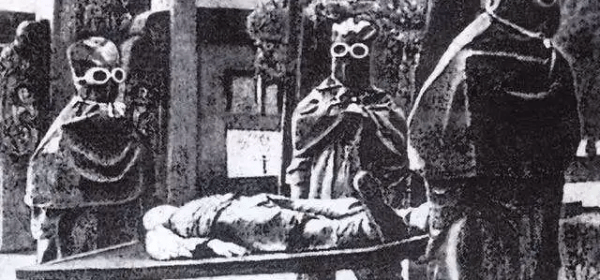
China: New Evidence of Japanese Germ Warfare Unit 731 on Display! (14.12.2022)

“The new display further shapes up an evidence chain of the germ research and human experiments conducted by Unit 731,” said Jin.

Among them is a roster of the unit affiliated with the Japanese Kwantung Army, showing Unit 731 had a total of 3,497 members.

At least 3,000 people died at the unit’s base in Harbin alone between 1939 and 1945, mostly in experiments for the development of biological weapons.

In more than 30 years of archaeological excavations and research, the museum has collected nearly 100,000 pieces of artifacts and historical documents in seven categories.

“By presenting the evidence and disclosing the crimes, we enhance the international influence of the museum to remind the public of the past and safeguard peace. It’s not only important for Chinese but also meaningful for all humanity,” said the curator.