Spiritual Empowerment Disability

China: Online Hub Empowers People with Disabilities in Digital Jobs! (20.10.2024)

Tang Xiaopeng, 32, has worked at the base for seven years. Born with a congenital condition, he has used a wheelchair all his life. “My parents gave me my first life, but the employment base gave me a second one, allowing me to live with dignity,” said Tang.

As Tang grew older, he realized he could no longer rely on his aging parents. “The base provides a job, accommodation and meals. I can take care of myself and even contribute financially to my family,” Tang noted. Since 2017, he has saved over 70,000 yuan to help his family.

Thanks to continued government efforts and support from charitable enterprises, Liu’s employment base has grown, providing jobs for over 80 disabled people and conducting thousands of training sessions in employment and internet skills.

“Though our lives are tougher than those of physically abled healthy people, we all have dreams. Even if our wings are broken, our hearts still soar,” said Liu.

Many Non-Han People Visited the Noth-West Region!

China: Ancient Silk Road Museum of Underground Tombs Complex – Opens in Xinjiang! (16.7.2024)

A large cache of pottery and bone ware and coins unearthed from the tombs are also on display in the museum.

“The museum makes full use of the original appearance of the tombs, as well as digital exhibition, VR technology and touch screens to offer the audience an immersive experience of the ancient Qiuci,” said Feng Wei, deputy curator of the museum.

According to the Xinjiang regional institute of cultural relics and archaeology, four excavation rounds were carried out from 2007 to 2023 at the site in Kuqa, which led to the discovery of more than 2,000 relic sites. In addition to the tombs, there are wells, cooking stoves and other relics dating from the Spring and Autumn Period (770-476 BC) up to the Ming and Qing dynasties (1368-1911).

Disabled Children Treated with Compassion!

Across China: Rehabilitation Assistance Brightens Future of Disabled Children! (21.1.2024)

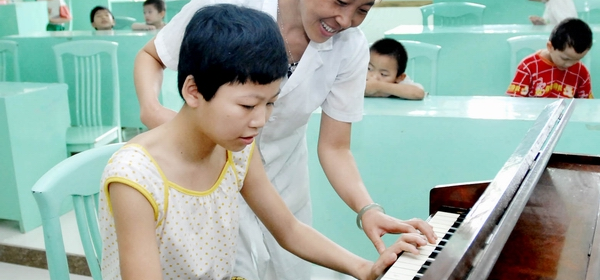
Many Chinese families have benefited from the National Assistance System for the Rehabilitation of Disabled Children since its establishment in 2018. In Gansu, designated Rehabilitation Institutions for Disabled Children have increased from 30 to 205 over the past years.

The Provincial Government also invests over 43 million Yuan annually to support the Rehabilitation Institutions, and that figure is expected to increase to 63 million Yuan in 2024. Some cities and counties further adopt diverse development models, including Public-Private Partnerships, to include more Disabled Children aged between 6 and 17 in the Rehabilitation Assistance System.

With the efforts of Hongmeng Disabled Persons’ Service Centre, over 20 children have returned to Primary School, more than 30 have integrated into regular schools, and over 10 gained employment in restaurants after turning 18.

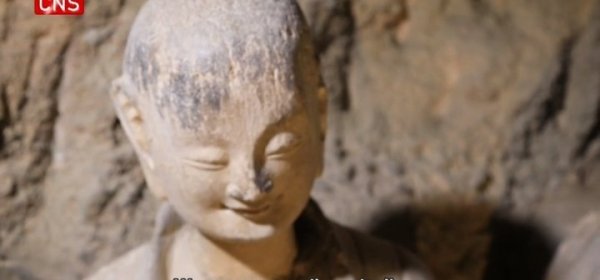
China: Gansu Buddhist ‘Smile of the Orient’ Said to Equal That of the ‘Mona Lisa’! (5.9.2023)

The early Buddhist groups in China mirrored that of the extant Confucian scholiastic system – often forming around married laymen – with disciples taking the surname of the teacher as their ‘Dharma-Name’ and essentially becoming an extension of his family. Grottoes such as that featured below were places where Buddhists could meet, share and practice their understanding of Indian Buddhist philosophy. An understanding of Buddhist monasticism started to arrive and distinguish itself in China from the existing lay-practice around the 5th century CE – the date I believe this ‘smiling’ monk appears to date from. Whereas Buddhist lay-practitioners did not shave their heads (like Daoists and Confucians) – monastic Buddhists (male and female) were required to shave their heads – indicative of their ‘rejecting’ of the desire-laden conventions that define, guide and justify the external world.