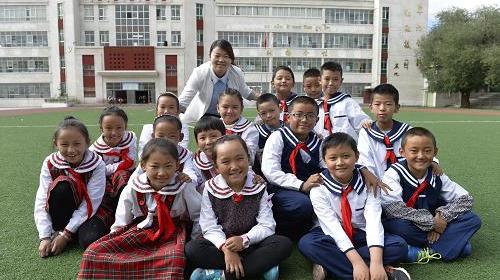
Original Article: 解读西藏人的“幸福密码” (Translated by Adrian Chan-Wyles PhD) This is Luosang Gonbu (洛桑贡布), stood at the entrance of the small shop which he owns. He
Proletariat Blogging in the Heart of (UK) Predatory Capitalism! Exploring the Interface between Matter and Perception, Chinese Buddhism, Daoism, Hakka Ethnography, and All Aspects of Radical Politics, History, Psychology and Philosophy – 全世界无产者联合起来!
Original Article: 解读西藏人的“幸福密码” (Translated by Adrian Chan-Wyles PhD) This is Luosang Gonbu (洛桑贡布), stood at the entrance of the small shop which he owns. He
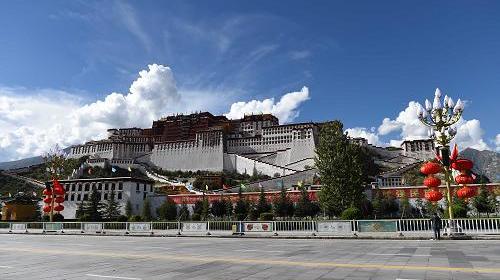
Original Article: 拉萨:大庆气氛浓(组图) (Translated by Adrian Chan-Wyles PhD) Xinhua News Agency – Lhasa, September 5, 2015: The atmosphere of a great celebration is palpable on

People of different ethnic groups in Tibet Autonomous Region put up various activities to celebrate the 60th anniversary of democratic reform in the region on
The US has been engaged in an overt attack upon Socialism and Communism for decades. Although this certainly intensified after WWII, the antagonism certainly existed
This title originates with Paul Robeson (1898-1976), and is a question he asked whilst facing hostile (and racist) interrogation at the hands of the House
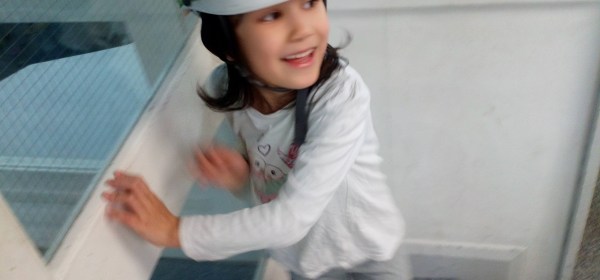
Craggy Island 2 – Indoor Rock Climbing Thank you to Lily, Katy, Eve and Zachary for attending this special event! We always like to
 SANGHA KOMMUNE (SSR)