Xmas (like Christianity) is not popular in China, despite Western propaganda to the contrary.
Proletariat Blogging in the Heart of (UK) Predatory Capitalism! Exploring the Interface between Matter and Perception, Chinese Buddhism, Daoism, Hakka Ethnography, and All Aspects of Radical Politics, History, Psychology and Philosophy – 全世界无产者联合起来!
Xmas (like Christianity) is not popular in China, despite Western propaganda to the contrary.

Fidel Castro – the great leader – is laid to rest in Cuba amongst scenes of national and international mourning!
Lama Dondrup Dorje, in the above video is following the typical Pro-Tibetan Movement imperative of continuously misrepresenting Chinese culture, and brain-washing Westerners into following nonsense and believing in religiously inspired mythology. None of this Lama Dondrup Dorje expression is real. Within authentic Chinese culture, qi translates as ‘breath’, that is all. Within the body, qi flows through the blood as oxygen, and is augmented by bio-electric energy, and the energy provided by the digestive system. Within
In 2015, Obama voted ‘against’ a UN Resolution condemning the ‘glorification’ of Nazism and neo-Nazism at a time when ‘White’ US police officers were operating a vendetta against unarmed Black men, murdering record numbers (often on camera), to level seldom seen in ‘racist’ US history.
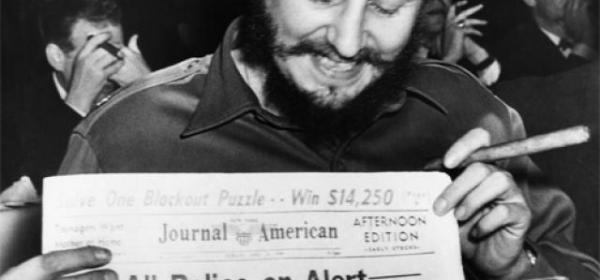
Down with capitalism! Long Live the Cuban Revolution!
Martial arts in the West can only be genuinely criticised if they are contextualised in their proper ‘capitalist’ setting. Only then can the exploitative and racist nature of these ‘exposé’ videos be correctly understood.
 SANGHA KOMMUNE (SSR)